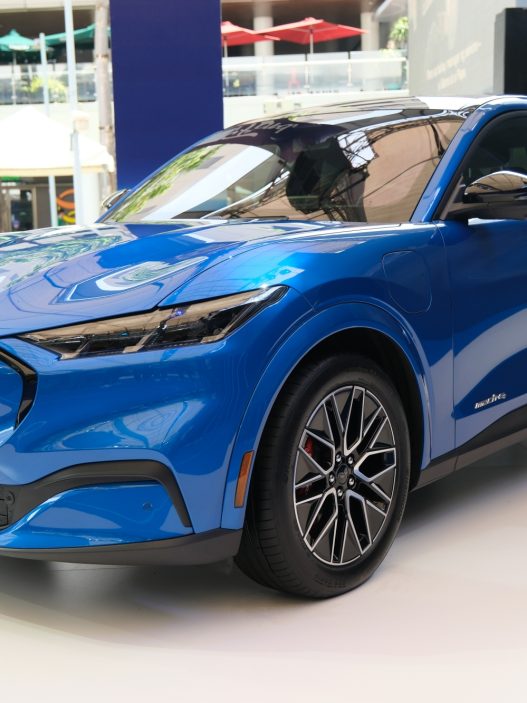








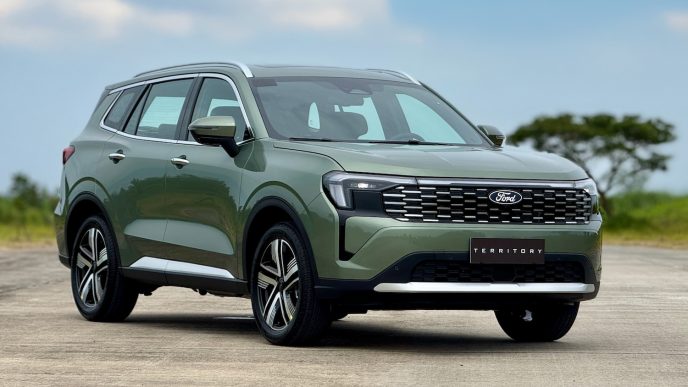
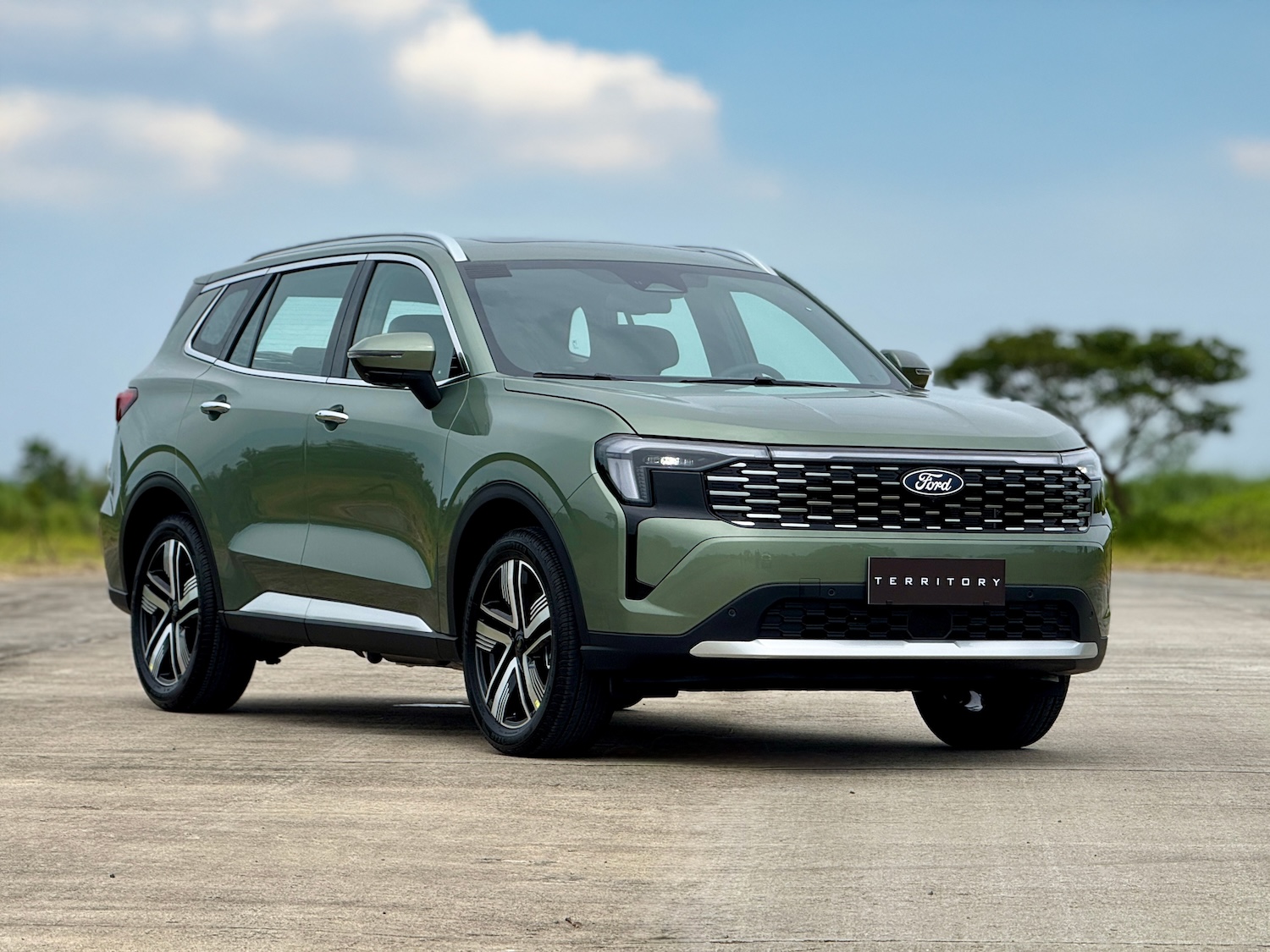
The Ford Territory Hybrid has arrived in the Philippines, and not a moment too soon. After several years of success with the standard gasoline-powered model, Ford has finally responded to the growing appetite for electrified crossovers. This isn’t a bold leap into the EV space – but rather a calculated, measured entry into hybrid territory. Literally.
And while the arrival feels delayed, it also feels like Ford knew exactly how far it could stretch the original formula before adding an electric assist.
Full Hybrid, No Drama
The Territory Hybrid introduces a self-charging hybrid system designed for minimal disruption. No cables. No wall boxes. Just a compact lithium-ion battery that recharges through regenerative braking and regular engine operation. The goal, it seems, is to let buyers go hybrid without changing their routines.
Under the hood is a 1.5-liter gasoline engine working in tandem with a 2-speed hybrid transmission and an electric motor powered by a 1.83kW battery. Combined figures come in at 148 hp from the engine, 216 hp from the electric motor, and 315 Nm of torque. On paper, that places it right in the middle of the compact SUV pack. Ford says it’ll do the 0-100 km/h sprint in 8.5 seconds. It’s enough.
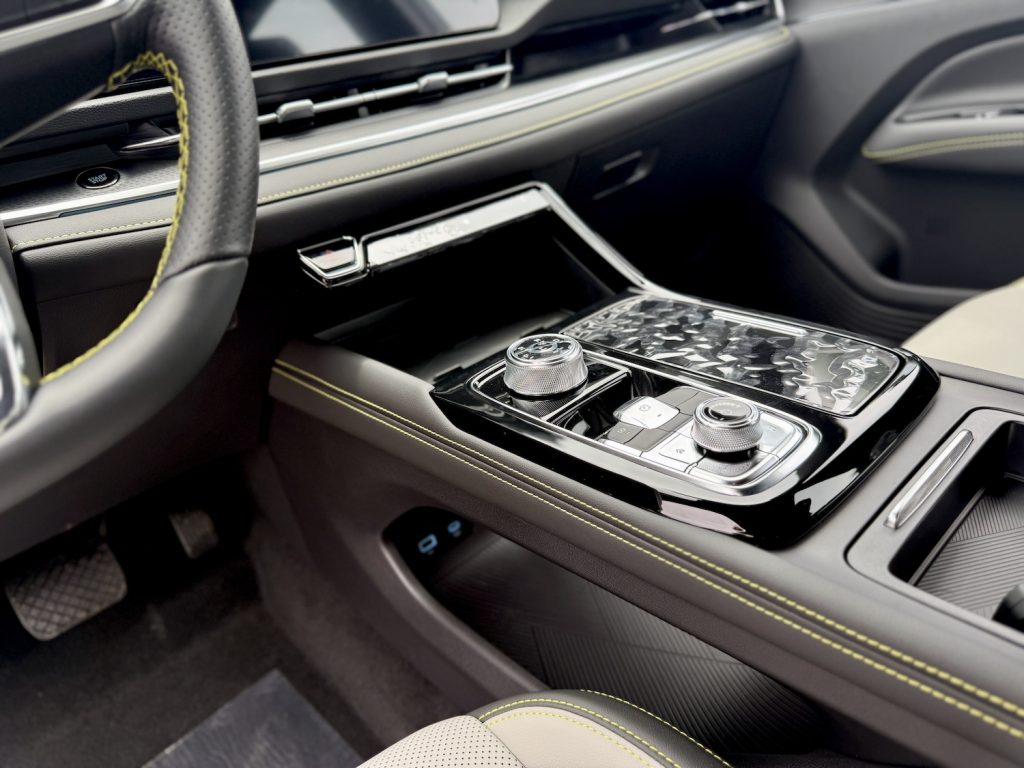
Drive modes include Eco, Normal, and Sport, with a separate menu for steering feel. There’s also an adaptive mode that manages settings based on input and conditions. The aim isn’t performance – it’s refinement. And in that regard, the hybrid system delivers a smoother, more composed drive than the standard model.
There’s more pull at low speeds, and the power delivery feels more responsive without being abrupt. The retuned suspension plays a role here too, offering less float and a bit more control. One feature worth mentioning is Comfort Braking, which softens panic stops into something more tolerable for passengers – a small but useful tweak.
Familiar Package, Subtle Overhaul
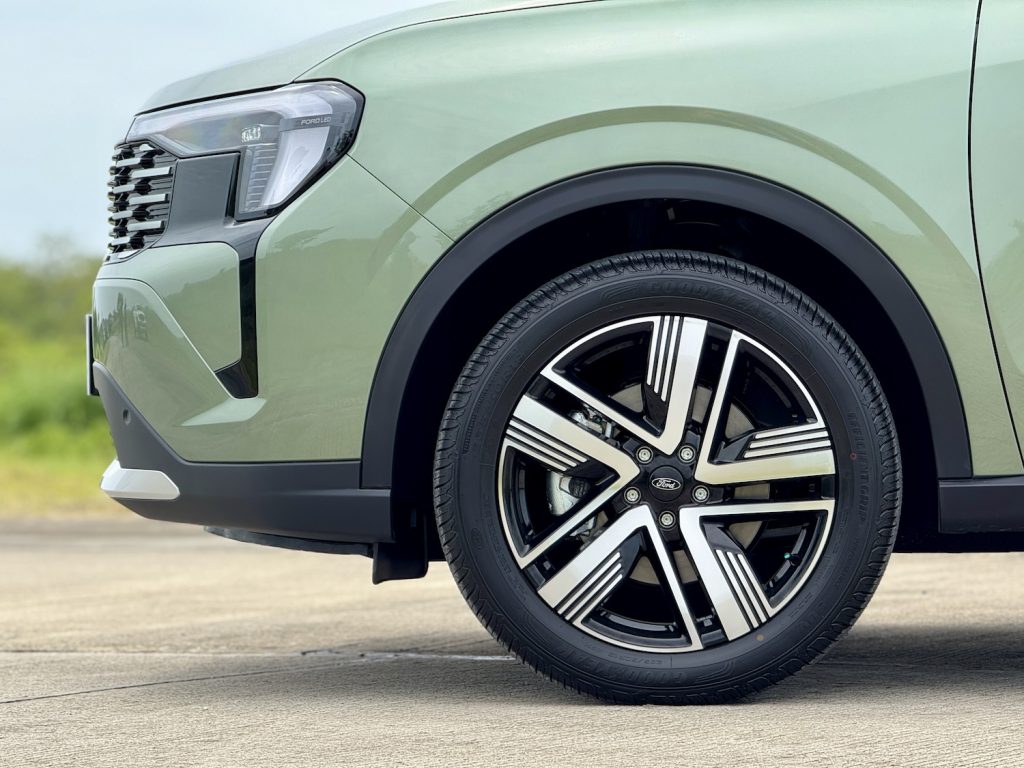
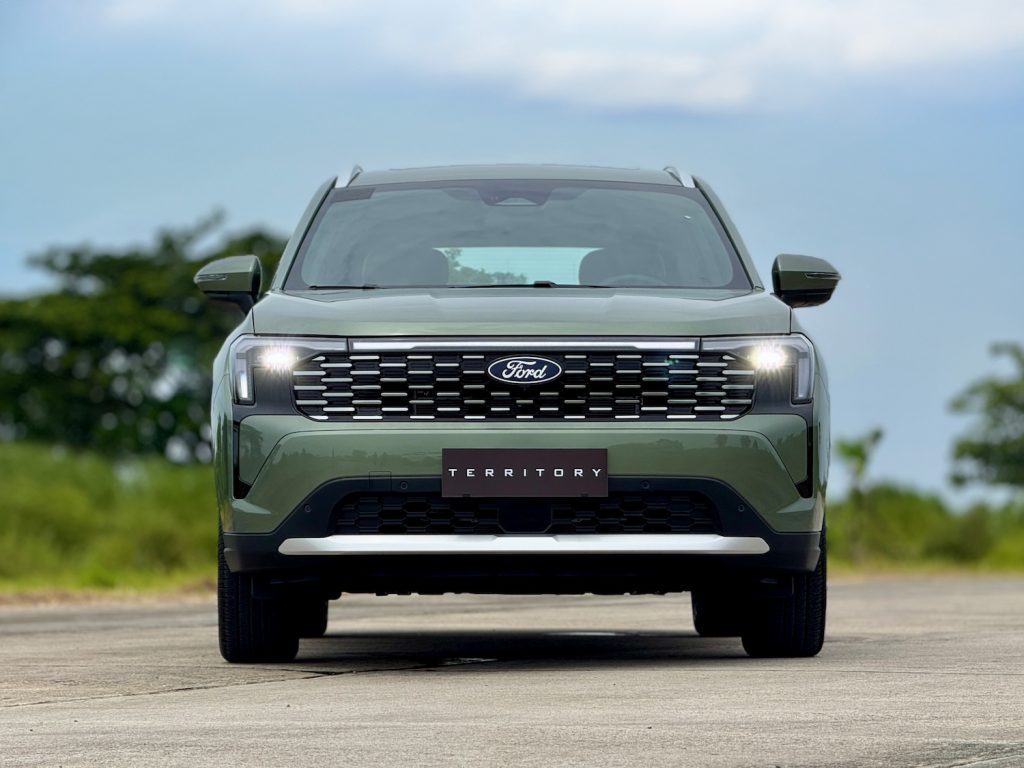
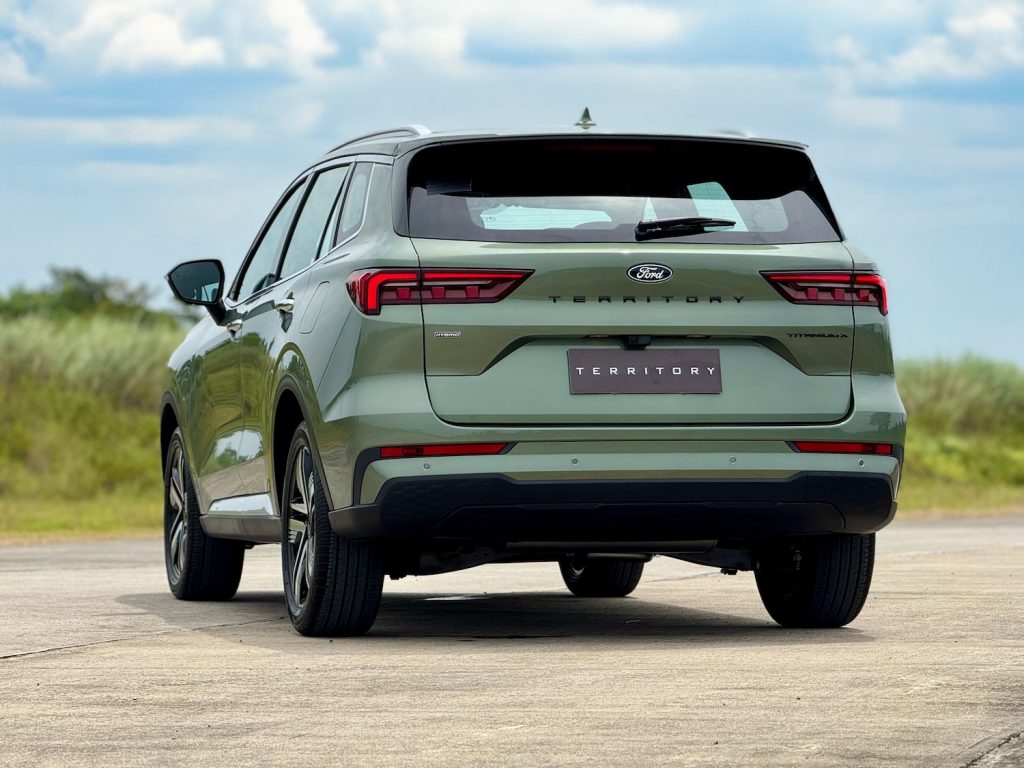
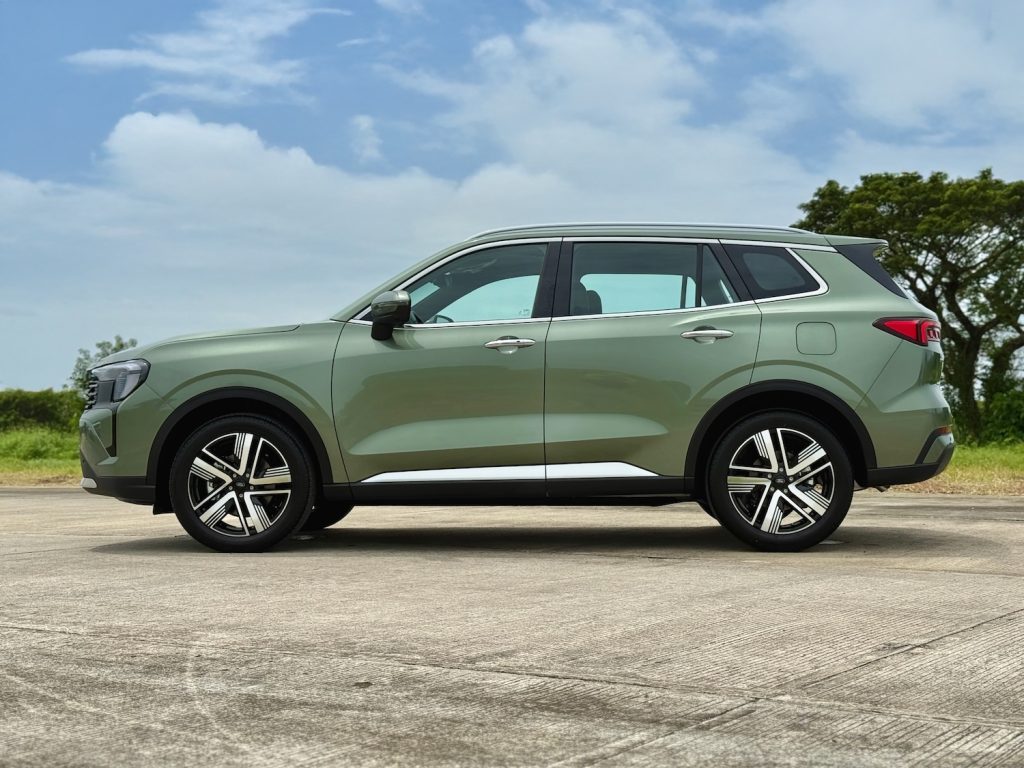
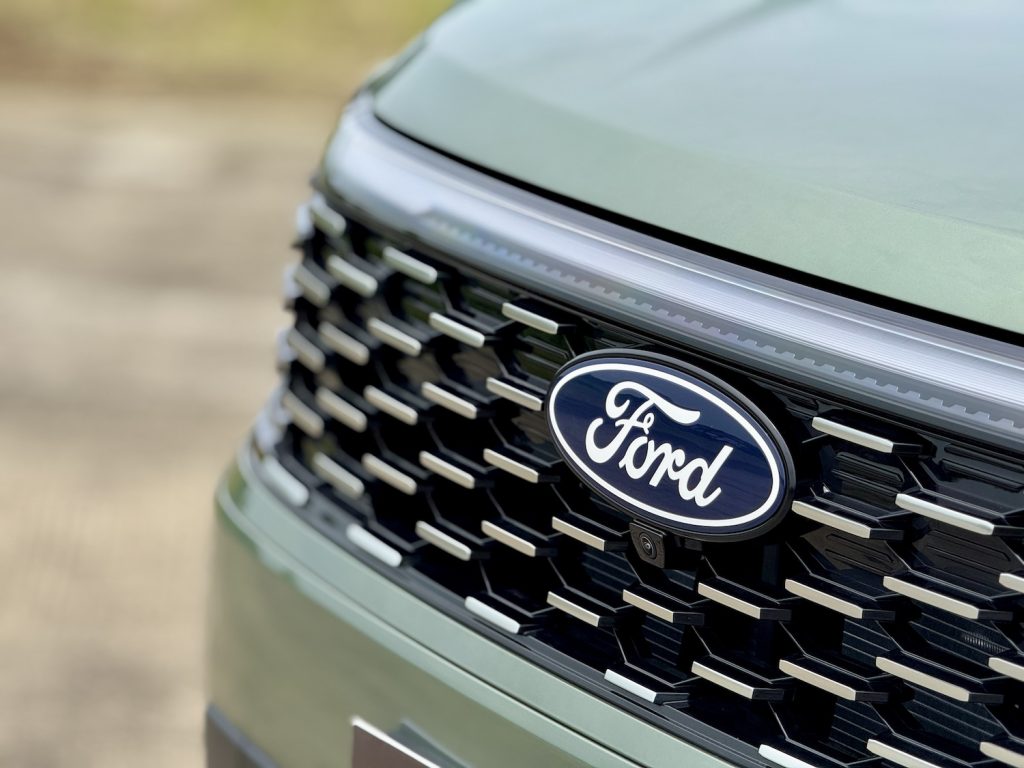
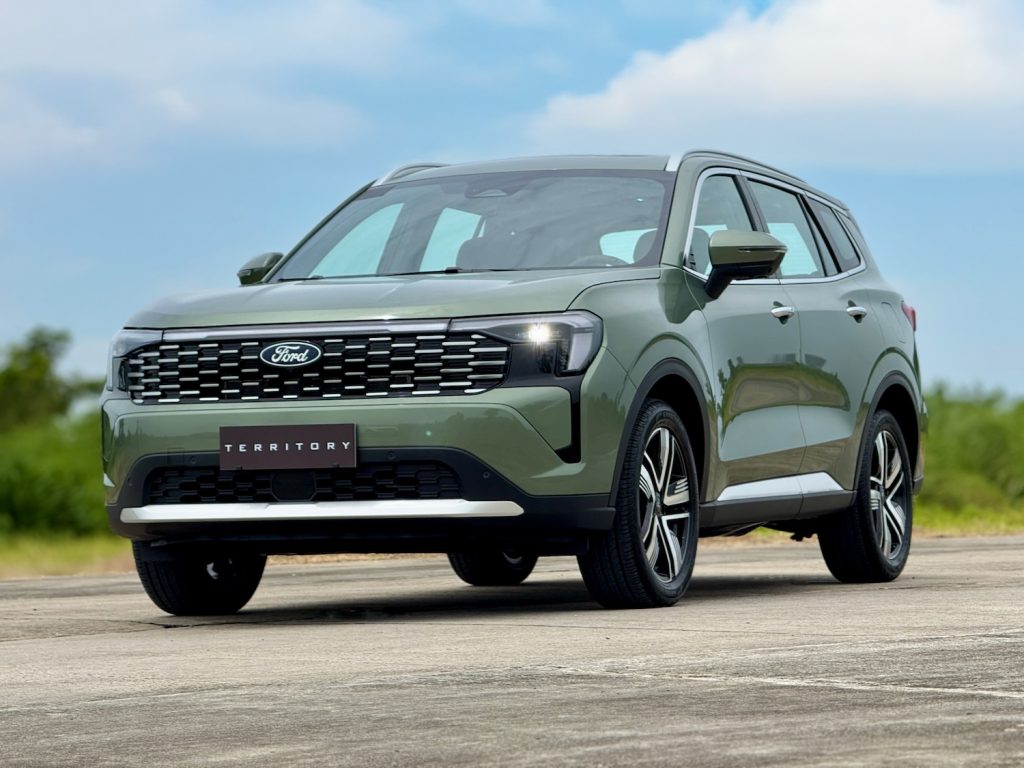
Visually, the Territory Hybrid sticks close to its roots. The body shape carries over, but the hood and fenders have been revised. A new grille and updated LED lighting give it a more current look, while the Titanium X trim adds a few visual cues: 19-inch wheels, a coast-to-coast LED light bar, and a panoramic moonroof.
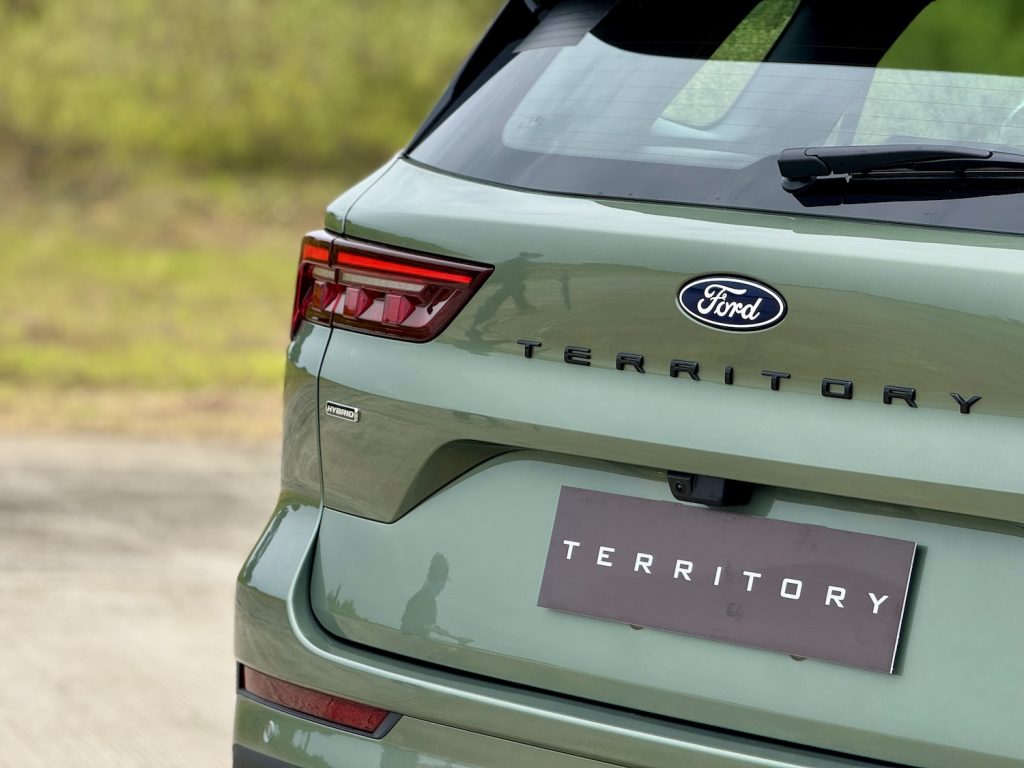
The base Trend variant stays conservative with 18-inch alloys and fewer exterior add-ons. The proportions, however, are identical. Ford didn’t go out of its way to separate the hybrid visually, which may disappoint recent buyers of the gasoline-only model.
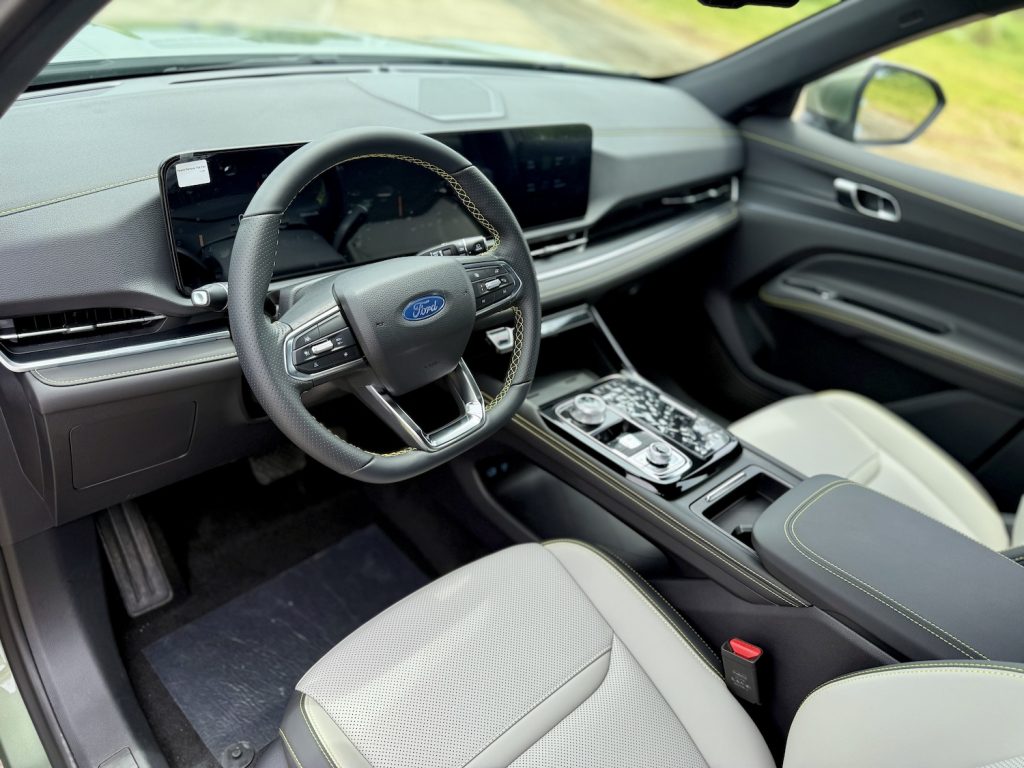
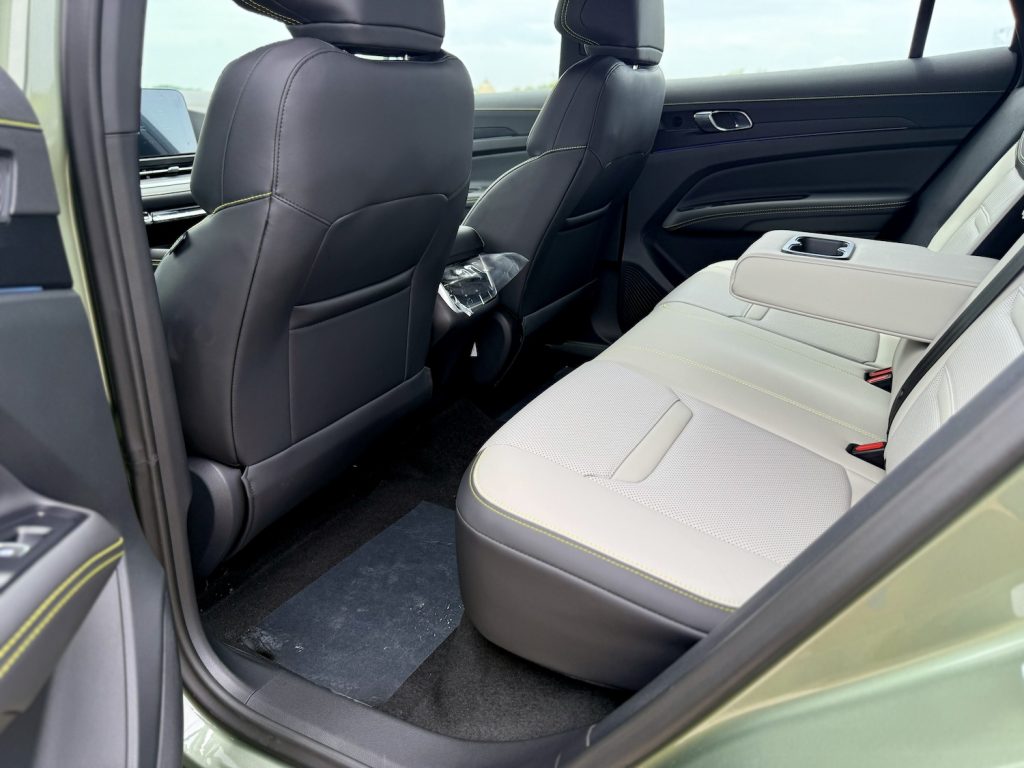
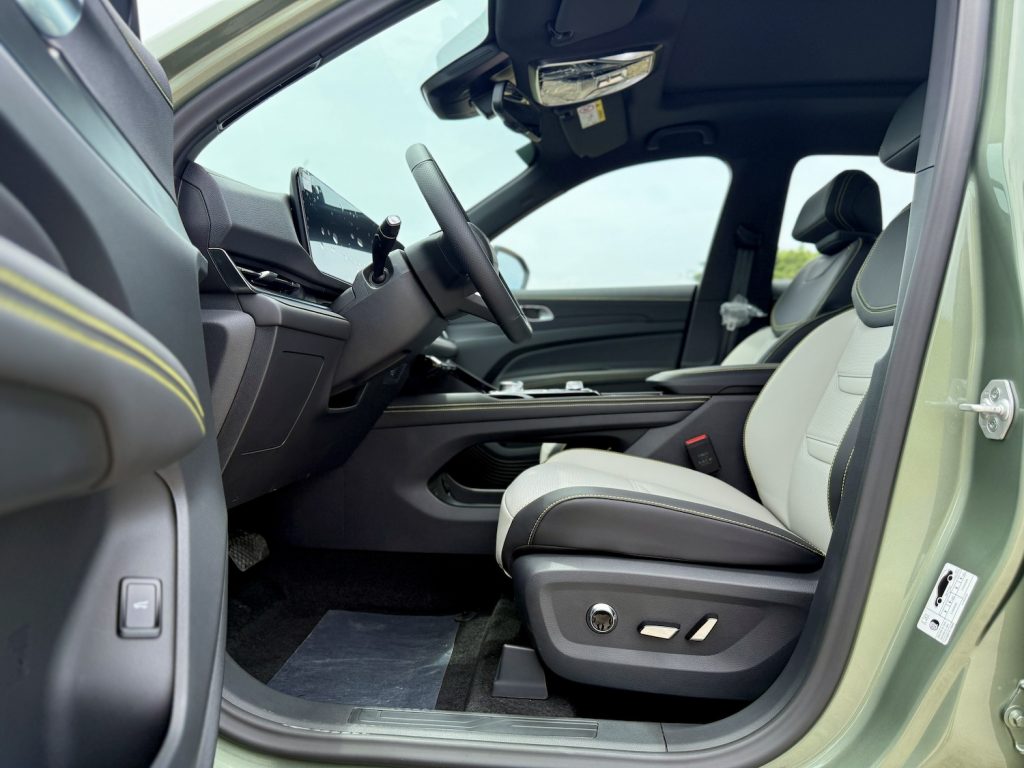
Interior updates are more noticeable. The dashboard has been cleaned up, with horizontal lines replacing the old vertical layout. Material quality has improved slightly, especially on the Titanium X, where dual-tone leather seats and orange stitching give it a faint American-luxury flavor. The restyled headrests and new ambient lighting complete the look.
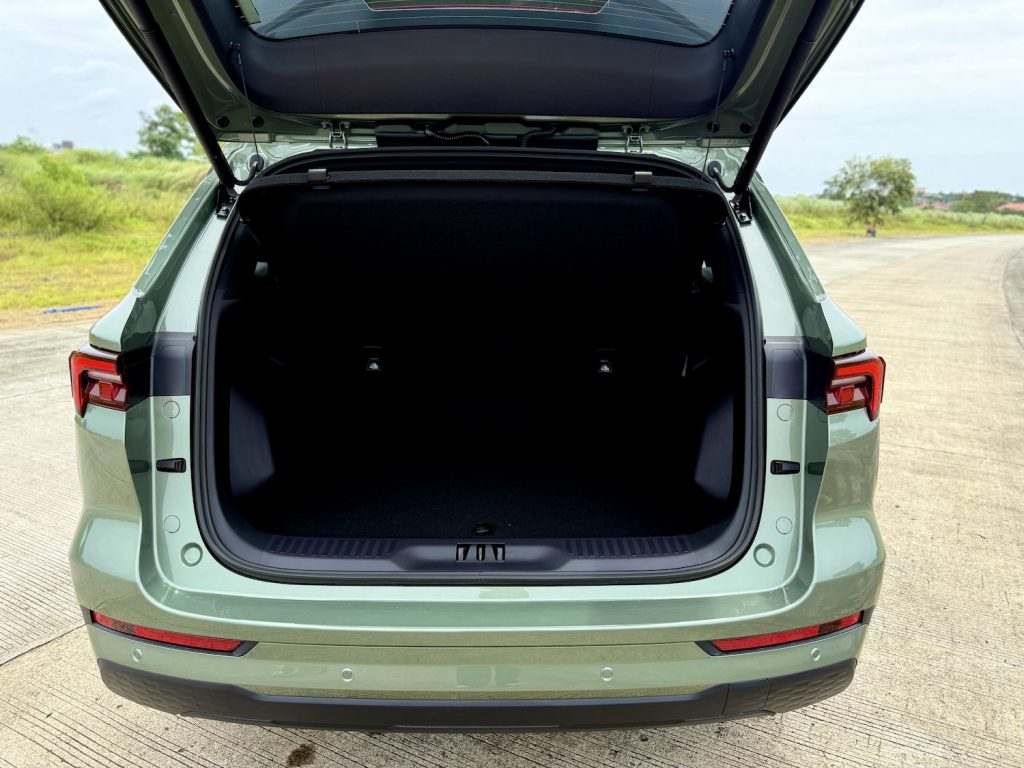
Practicality remains a strong point. Rear seat space is generous, and cargo room holds steady despite the added battery. Dual-zone climate control, USB ports, and rear vents are standard. A powered tailgate is exclusive to the Titanium X.
Tech and Safety: Functional, Not Flashy
Tech gets a modest bump. Titanium X buyers get a 12.3-inch digital instrument cluster and a 12-inch touchscreen. The Trend settles for a smaller display but still supports wireless Apple CarPlay and Android Auto. A revised Human Machine Interface now allows drivers to adjust climate settings without exiting smartphone mirroring – an overdue fix that avoids the usual touchscreen hassle.
Audio is handled by an Arkamys 3D surround sound system on the Titanium X. It’s not class-leading, but it raises the baseline. FordPass Connect is also standard, offering remote access functions like locking, starting, and vehicle monitoring via smartphone.
Safety equipment is mostly in place. Stability control, hill start assist, and a 360-degree camera system are included across the board. Airbag coverage is where the split shows: six for the Titanium X, but only two in the Trend – a surprising and somewhat disappointing choice in 2025.
The full driver-assist suite – adaptive cruise control with stop-and-go, forward collision mitigation, blind spot detection, and lane keeping – is available, but only on the top-spec variant. It’s a familiar tiered approach that rewards the higher price point but may leave entry-level buyers wanting.
The Value Question
Territory Hybrid pricing starts at P1,399,000 for the Trend and P1,599,000 for the Titanium X. That puts it within reach for compact SUV shoppers, especially those considering top-spec ICE alternatives. The pricing also holds close to pre-facelift levels, which helps ease the transition. Color options are trim-dependent. Oasis Green and Crystal Pearl White are reserved for the Titanium X. Star White is exclusive to the Trend. Blue Panther and Panther Black are shared.
As a launch bonus, Ford is offering free HYBRID decals and illuminated badges, plus a three-year scheduled maintenance plan and a P10,000 discount for early buyers at launch events.
The new Ford Territory Hybrid won’t change minds about hybrids, but it will likely win over Territory buyers who were waiting for a more future-proof option. For a nameplate that’s already one of Ford’s strongest players, the hybrid variant feels like a long-overdue next step. And for now, it’s enough.