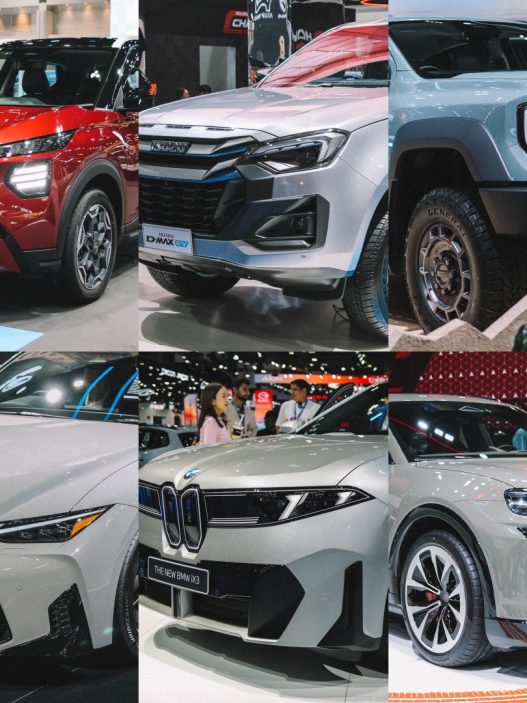








A month can seem eternal when courting a lady. A year is too long for a job you don’t like. 10 years is a bliss in a fast-paced industry like the motoring beat – a job I love. The only time it felt slow was during the pandemic as we waited for the lockdowns to truly end. I got here by chance in March 2016. I also started writing for The Philippine Star in the same month back in 2020, just a week or so before the first lockdown.
Lots of things happened in those 10 years. I can’t believe that I got to see Tesla be available in the Philippines. I also saw Uber come and go, MPVs sold like hotcakes, and policies were implemented that have affected the car buying and riding public for better or worse. Below are 10 things that I think made the most impact in the Philippines this past decade, in no particular order.
Motoring to Mobility
Brands changed the way they’d like to be seen. Instead of being exclusive to “motoring” that denotes cars and private travelling, they’ve switched to using “mobility” that’s more inclusive. Toyota and Honda have been using them pre-pandemic but afterwards, I saw a lot more brands shift their perspective. SsangYong became KG Mobility, Kia dropped the “Motors” from their official name, and Ayala’s AC Motors is now ACMobility just to name a few. Even the Tokyo Motor Show became the Japan Mobility Show.
PUV Policies
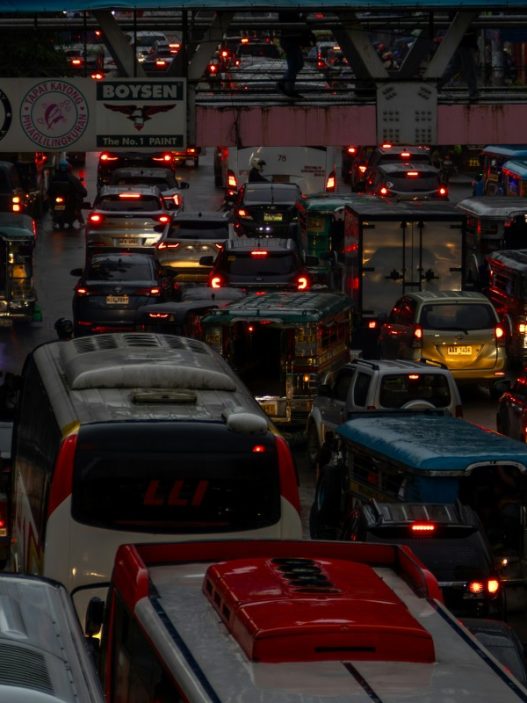
This past decade also saw a lot of battles involving the riding public and the policies that affect them. Uber and Grab came to augment the ailing transport system, only to be heavily scrutinized by local government agencies. The same can be said for motorcycle taxi companies which are still operating under “Pilot Study” instead of a legal franchise.
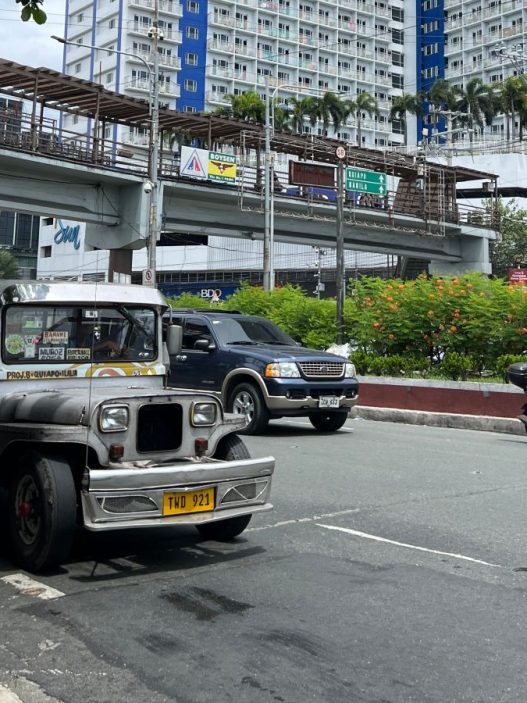
The old road kings are also affected. There’s still the looming dread of old jeepneys being junked once the Jeepney Modernization really kicks in. Buses in EDSA were also affected as their path was hastily changed during the pandemic.
A new best-seller
I personally thought only a Toyota could beat a Toyota. The Vios has been the best-selling car in the country for a long time. But I also saw the preference of buyers shift from sedans to crossovers so I was thinking maybe the Raize could be the one to sit at the top of the podium once it matures enough.
Alas, this year we saw the Mitsubishi Xpander declared as the best-selling car of 2025. Not bad for a name that only started in 2018. If you remember, it was Mitsubishi’s solution to the demise of their old hotcake – the Mitsubishi Adventure. The implementation of Euro 4 emission standards in the country rendered its engine obsolete and so the Xpander was brought in to fill the gap.
The never ending tax
2018 is unforgettable for one thing. It was the year that the excise tax on cars kicked in, and everything became more expensive. Even the mini hatchbacks like the Celerio, Wigo, and Brio were suddenly priced one segment higher. Most SUVs also breached the PHP 2-million mark for their top of the line models.
Pickups were spared from this ordeal because of their “help” to the economy. This made pickups very enticing and so special offerings came in. Ford doubled down on this advantage by bringing in the Ranger Raptor in 2018. The popularity of pickups also gave rise to outdoor hobbies like camping, glamping, and more. The honeymoon ended last year when the tax on pickups were revised and they now also suffer the same increase as their SUV brothers.
Resurgence of Chinese cars
I was still an outsider when the first chapter of Chinese brands happened in the industry. All I remember is seeing some Chery QQ on the roads and then suddenly, their showrooms shut down one by one.
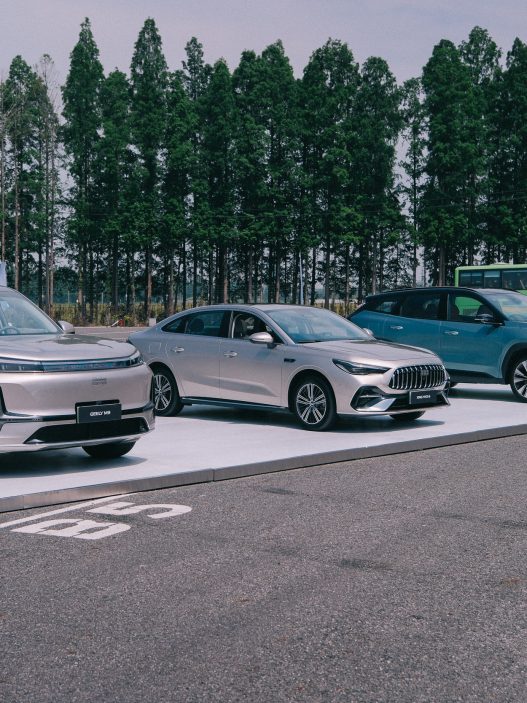
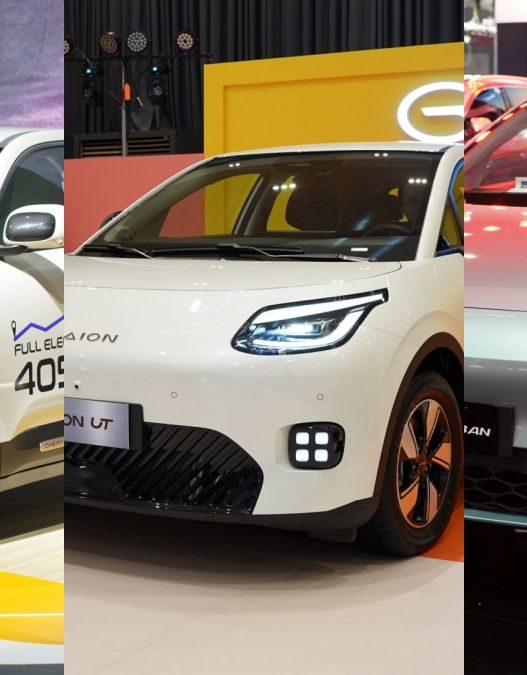
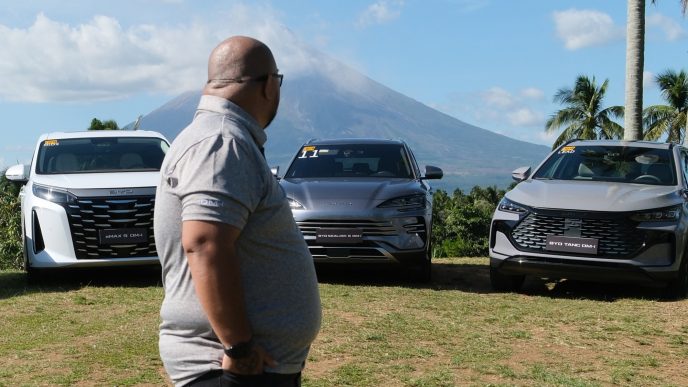
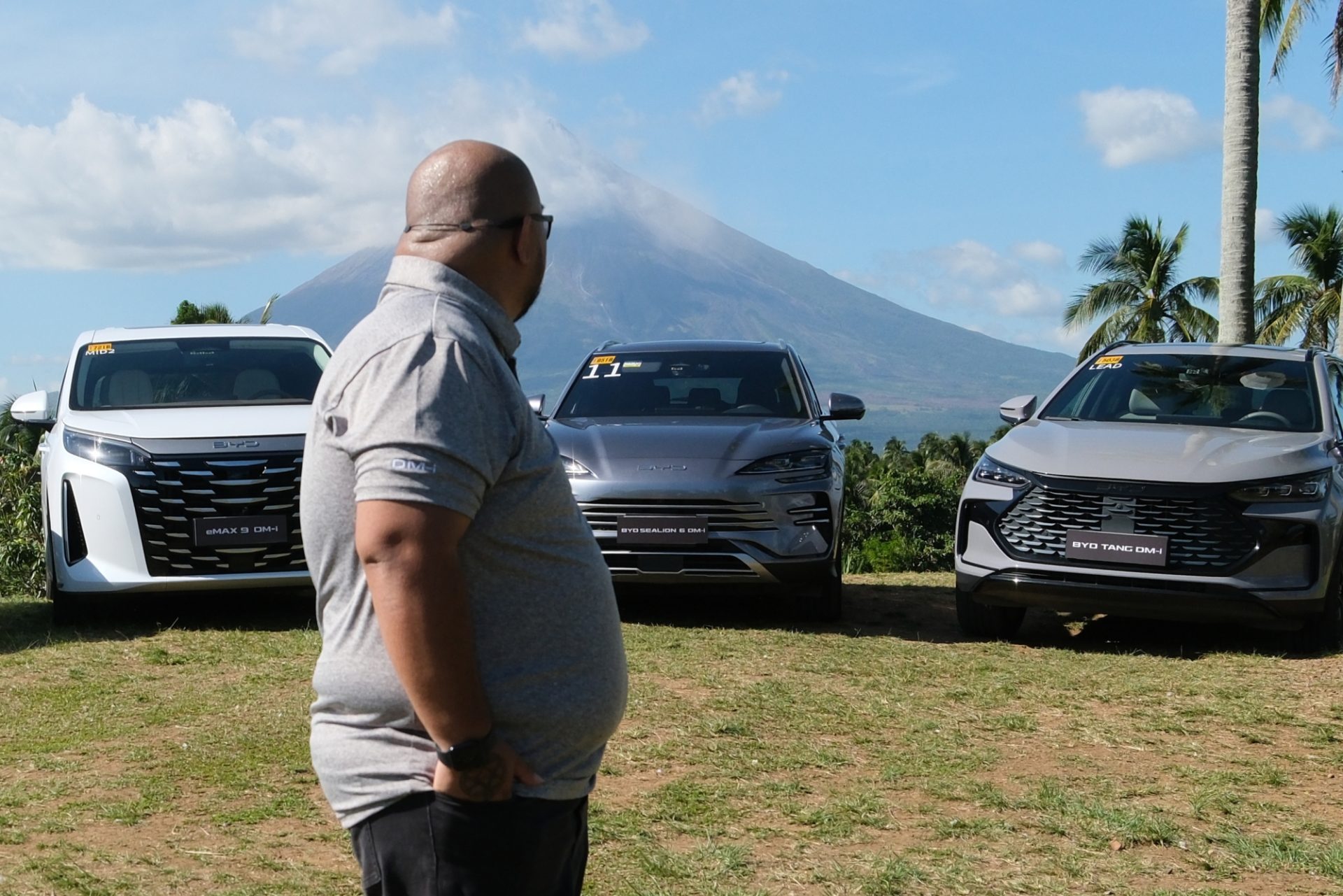
Around 2018-2019, a few Chinese brands have disrupted the market. Chery made a comeback under a new distributor, along with MG, Geely, and GAC to name a few. Their build quality has improved and they undercut their American, Japanese, and Korean rivals on the feature for the price ratio. Another batch arrived after the pandemic. BYD and BAIC switched distributors, along with new entrees like Jetour, Lynk & Co, GWM, Omoda & Jaecoo, and Zeekr among others.
Electrified nation
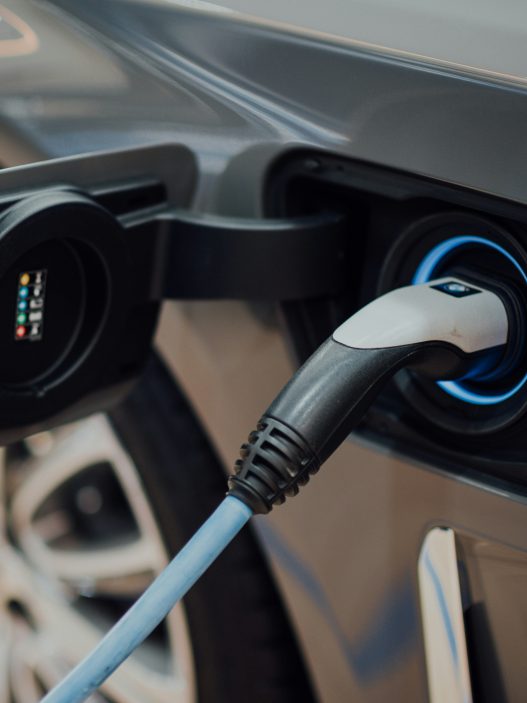
The silver lining to the TRAIN Law is the reduced tax towards electrified cars. EVs enjoy 0% excise tax while hybrids only have 50%, while both enjoy 0% import tariffs. This allowed brands to bring in electrified cars with very competitive pricing. This was augmented by the EVIDA Law that excluded certified hybrids and EVs from number-coding as its most memorable benefit.
It was this combination of laws and benefits that spurred the transition of the country towards a greener means of mobility. All brands started bringing in their electrified offerings that now, there are micro EVs under PHP 1-million pesos.
Car tech
Car features are also a major turning point during my decade in this industry. I still remember when only top variants had screens at the center of the dashboard, and some cars do not have airbags and ABS. Just having Cruise Control was already a big deal back then.
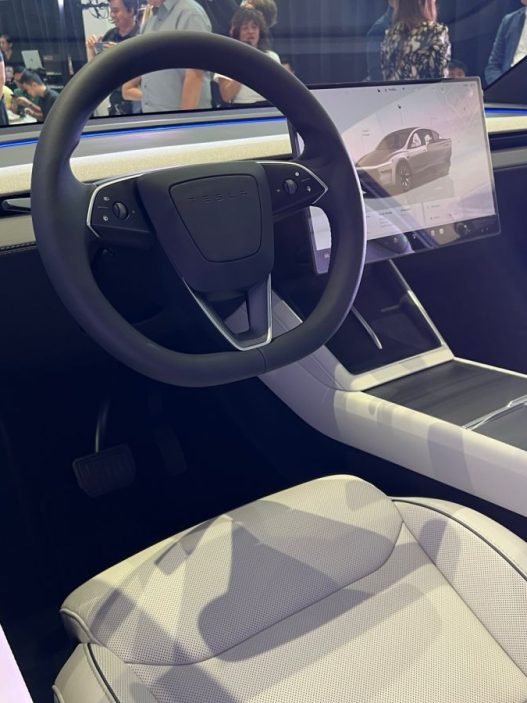
Now, cars have laptop-sized screens for their infotainment system at the center of the dashboard. The gauge cluster was also digitalized and some even have them side by side with the touchscreen for a panoramic view. There are also less buttons now since most settings can be done on the touchscreen.
Safety also saw a big boost when Advanced Driver Assist Systems trickled down to the attainable price point. Features like Adaptive Cruise Control, Lane Keeping Assist, and Blind Spot Monitoring that are formerly exclusive to premium brands are now available even in cars at the PHP 1-million price point. Some are even putting them as standard across the variants of their cars including the base model.
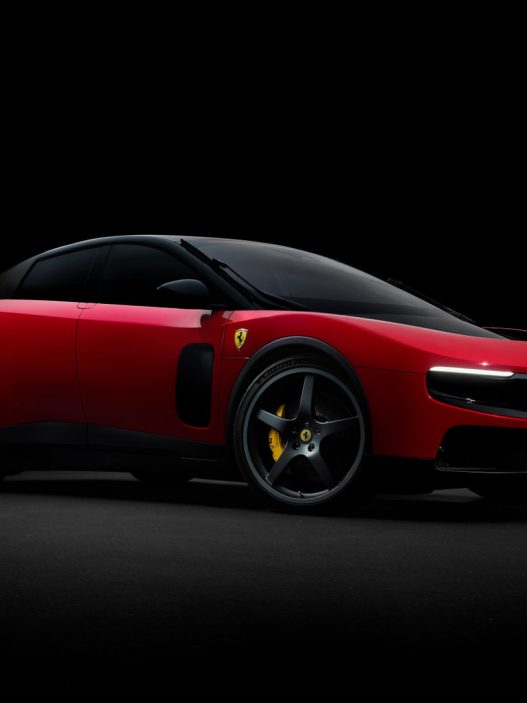
High-performance cars
The Philippines has seen a few fast cars before, especially in the early 2000s. There’s the Mitsubishi Lancer Evolution, Subaru Impreza, and Nissan 350Z among others. When gas prices soared, their presence dwindled and they were sort of forced into retirement.
Luckily, the economy got well enough that brands started bringing in bangers again. There was the Nissan GT-R, Nissan Z, Honda Civic Type-R, while Toyota had their GR Supra, GR Yaris, GR 86, and most recently their GR Corolla. Hyundai also joined the fray with their N line that included the Elantra and Ioniq 5 N.
E-Bikes
The limited mobility during the pandemic made e-bikes popular. It can get you to many places that you’ll need a tricycle or jeepney for. They stayed even when COVID was over and got even more popular because the prices of local transportation didn’t really go back down. Some tricycle routes maintained riding “special” only, demanding higher prices for every trip.
Their addition to the streets could have been fine. The reality is most of their users aren’t knowledgeable on the rules of the road. Many of them cause or get involved in accidents, while others ply roads that they are not recommended to be in, some even ended up in highways. This led to the LTO and MMDA banning them from major roads in Metro Manila at the start of 2026.
Creators
The last change I’ve seen this decade is the shift in people’s preference on where they get car content. TV, radio, newspapers, and magazines are still there, but they are now searching on where they spend most of their time in – social media. They are now searching for news and reviews on YouTube, Facebook, and even Tiktok. This popularized creators with varying personalities and ethics.
There are those who would pose with a car, give a 2 sentence caption, then get paid a huge amount. Some are really trying to learn the ins and outs of the industry and cars, while a few others are only here for the perks. They’ll borrow a car, post a “review”, while also taking the unit for a day of rally racing without the brand’s knowledge. There are also those who rant in their little corners because they don’t get invited to brand events despite their sizable following.
2026 will surely see more EV charging stations moving forward. I just hope they have bigger roof space so they can still be used despite the rainy season. I also hope for more hybrids under PHP 1-million to complement the mini-EVs in that price point.
Lastly, I hope the government – both national and local – prioritize the riding public instead of just building more roads. We could start by solving how workers from different cities of Metro Manila can have better access to business districts like Makati, BGC, and Ortigas. Or maybe, just maybe, the solution is to decentralize them.