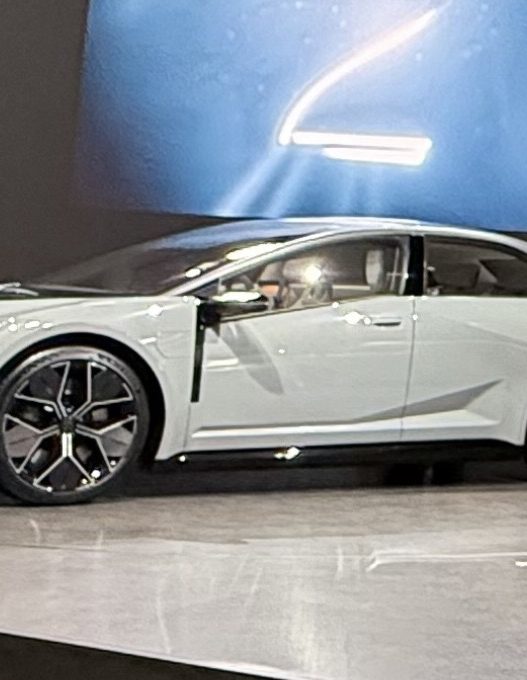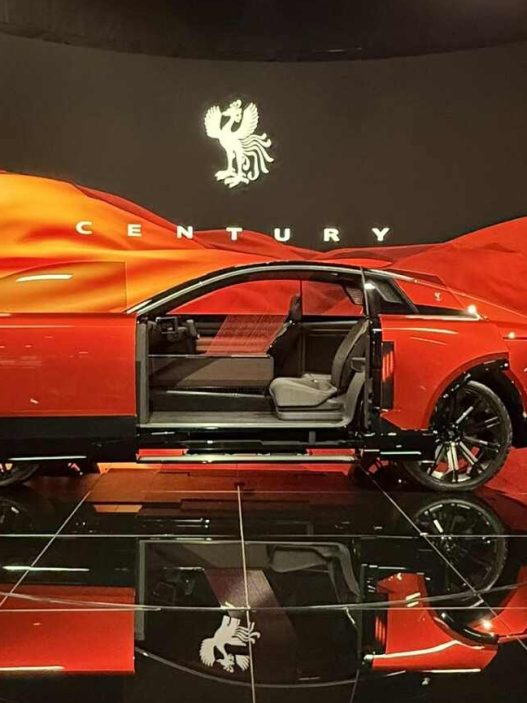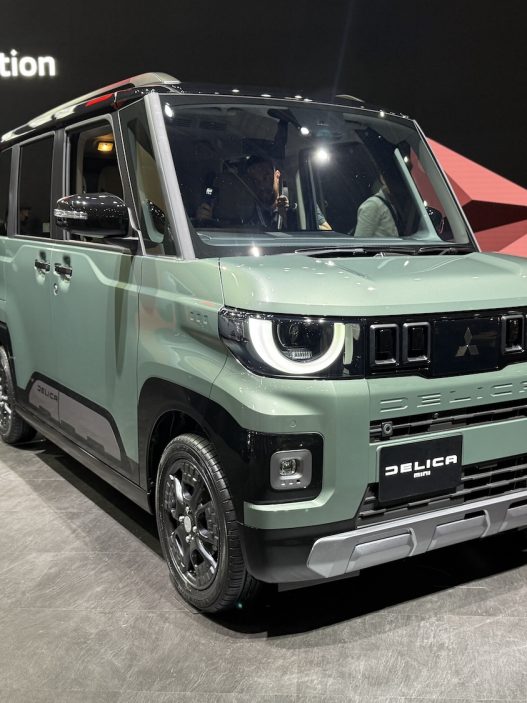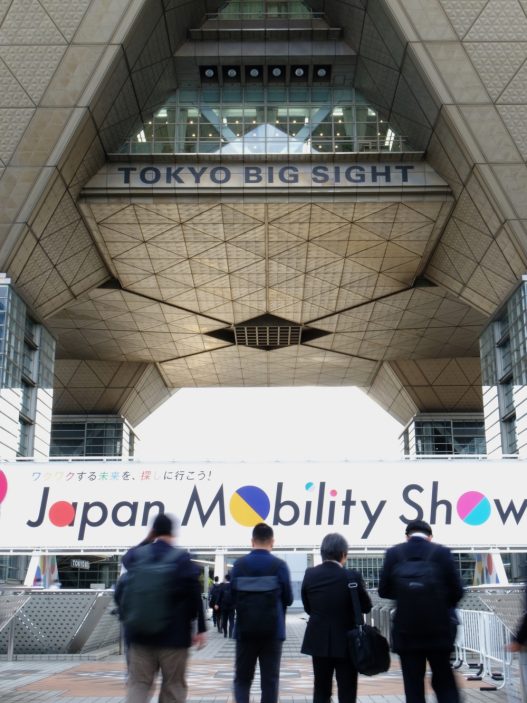







The Toyota family of brands had a pavilion all to itself at this year’s Japan Mobility Show (JMS). Despite its Gazoo Racing (GR) performance cars being conspicuously absent from the showcase, Toyota, Lexus, Daihatsu, and Century (which has spun off as its own marque) had plenty of eye candy to leave event visitors – this writer included – excited for the future both near and far.
During the JMS in 2023, well, actually stretching back to when it was still known as the Tokyo Mobility Show, Toyota had already floated the concept of mobility for all.
“Mobility for All” is actually an initiative put forth by the Toyota Mobility Foundation (TMF) to focus on just that – creating a world where everyone can move freely and live on their own through innovative mobility solutions. Toyota extended this mantra through its “Start Your Impossible” campaign which not only featured mobility solutions but supported efforts such as those for para athletes and even for sporting events like the Olympics.
As someone who has had the privilege of covering a number of events for Toyota both here and abroad, I’ve seen how this messaging of inclusive mobility – along with the brand’s espousal of a “multi-pathway” approach toward carbon neutrality – has stayed consistent and faithful. It’s not merely lip service or a snazzy catchword to help get on the sustainability bus; it’s a determined, purposeful effort for Toyota which has seen the allocation of resources over the years with a view of deploying them for the greater mobility good. Remember, the IMV 0 platform – upon which our very own “next-generation” Tamaraw rises – was also once featured in the international show.
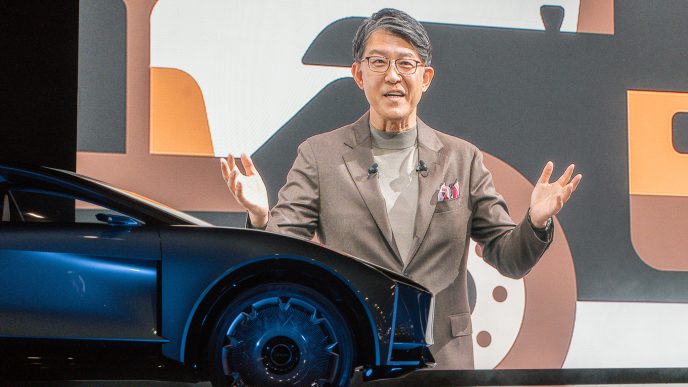
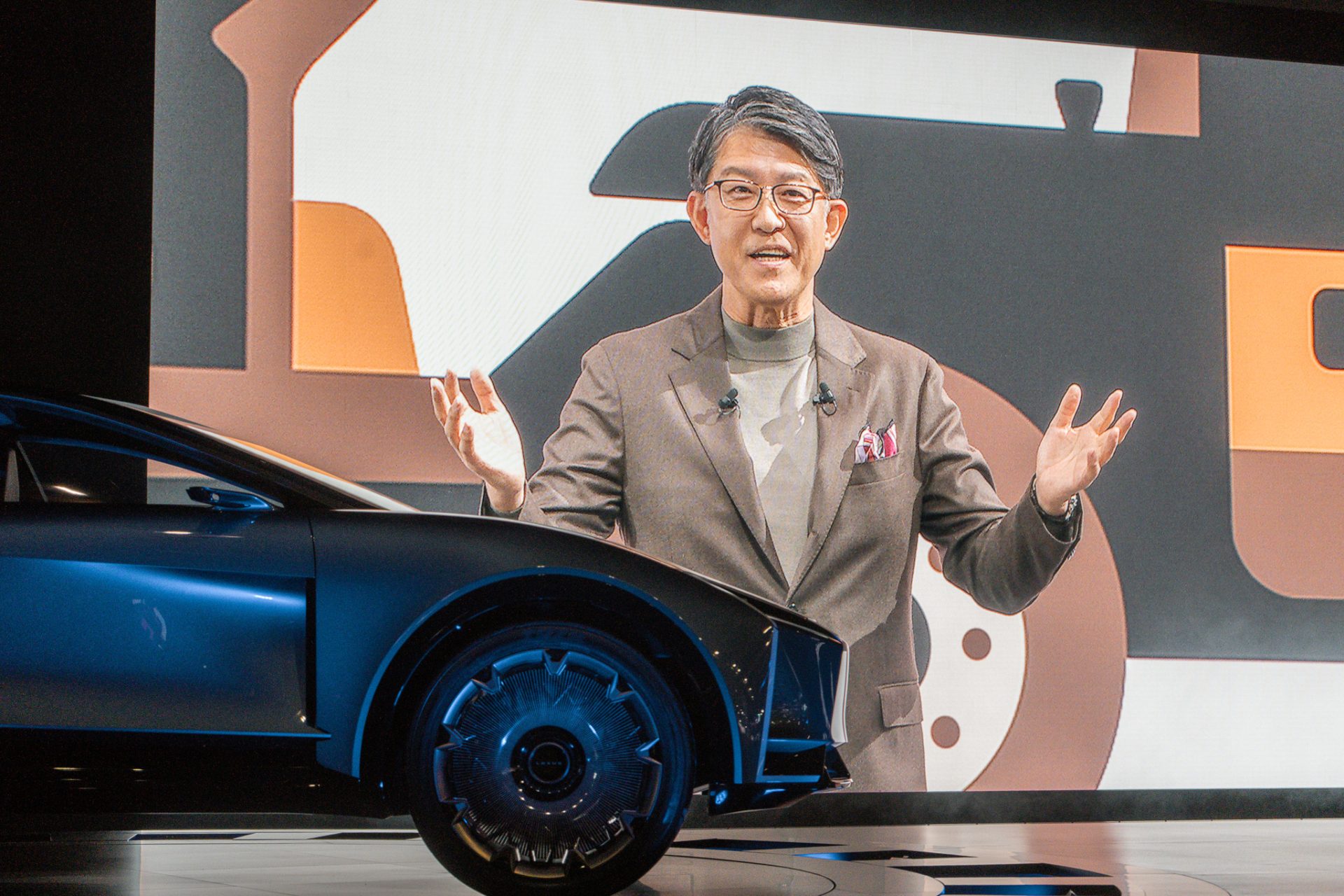
“We have long worked hard to make ‘Mobility for All’ a reality. But while standing on the front lines of manufacturing, there was always something that felt a little off. That something was… we often say ‘for all,’ but in truth, there isn’t a single product that perfectly suits everyone in the same way,” said Toyota Motor Corporation President, CEO, and Board of Directors Member Koji Sato during his speech at JMS on press day.
He continued: “What we think when we’re making something is: “We want to help someone. We want to make someone smile.” We always picture the face of a certain singular “you” and keep that face in mind as we make things.”
Let’s take a look at the future of mobility – for all – featured at this year’s JMS:
IMV Origin
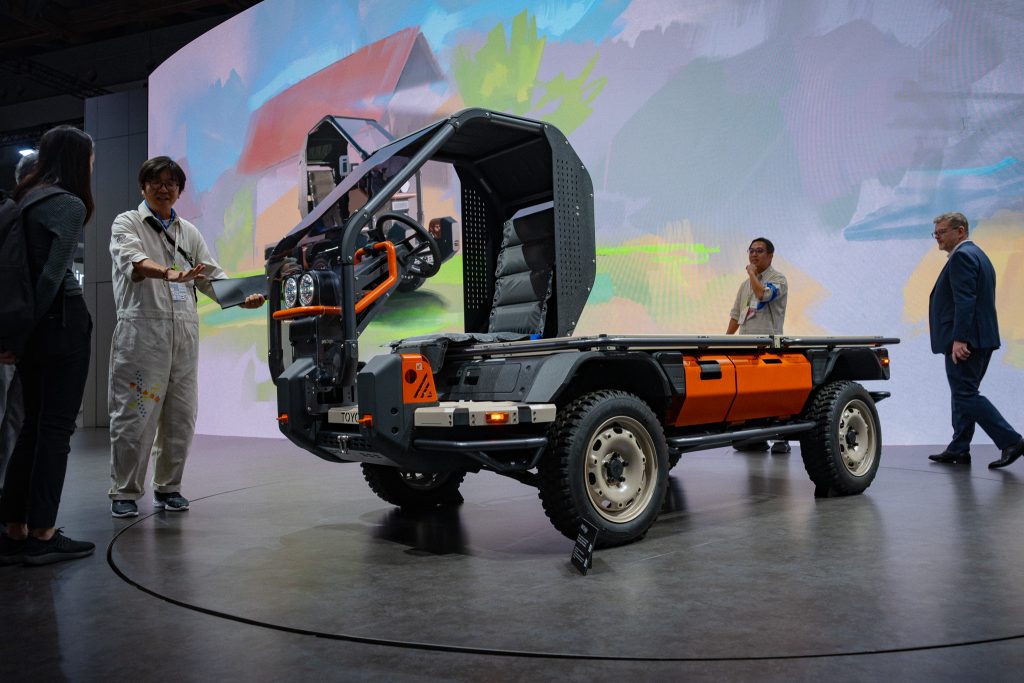
According to Sato, the IMV Origin is a “vehicle that takes on the challenge of constant reinvention based on the concept of ‘deliberate incompleteness.’” What we see is a highly customizable platform that lends itself to a myriad of uses depending on who buys it. There are two important things to remember about this vehicle: It will be finished in the country/territory it is delivered to – leading to job creation; secondly, “customers (will) define the vehicle,” maintained the executive. “We just build the base. From there, each customer completes the vehicle to fit their needs.”
Corolla Concept
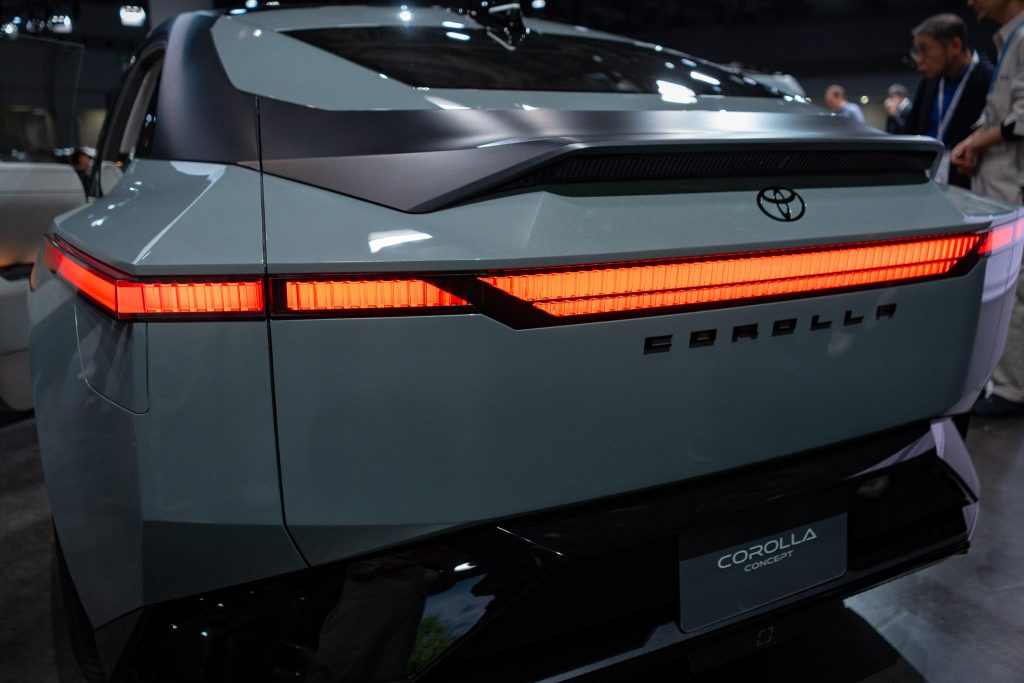
A highly angular example, the Corolla Concept looks – to me, anyway – like it could have been slapped on a Lexus logo, joined its brethren on stage, and gotten away with it. The beloved Corolla nameplate takes on its boldest iteration (conceptually, of course) inside and out, and Koji Sato said, true to Toyota’s vision, it may be equipped with any type of powertrain.
Kayoibako
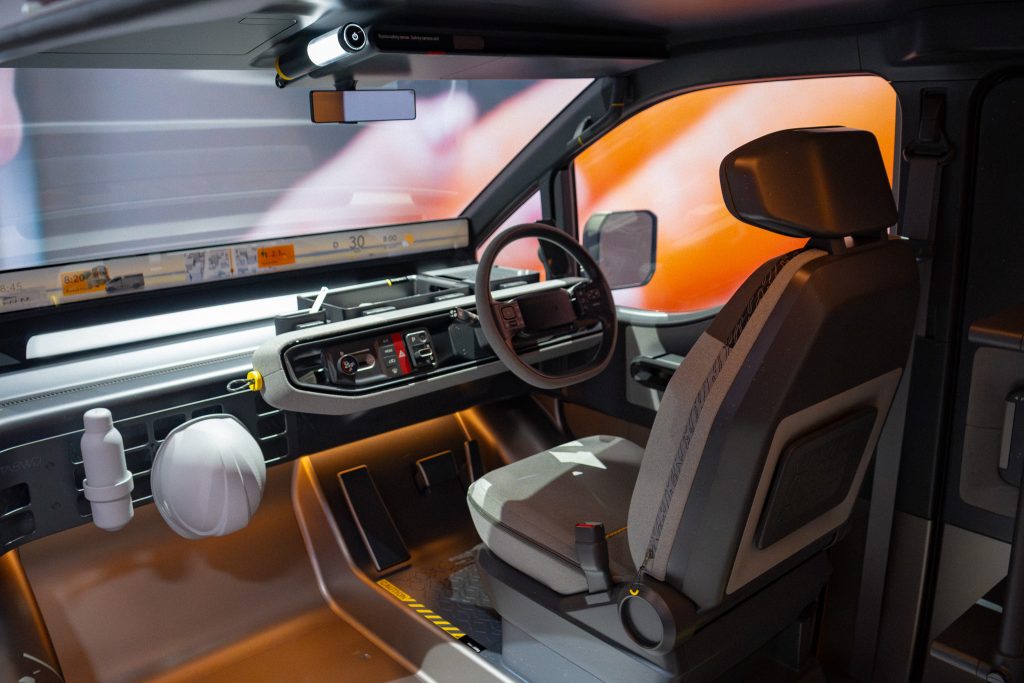
“Kayoibako” refers to “configurable shipping containers for safely and efficiently transporting parts and products between facilities, sized to eliminate waste and able to meet diverse needs with changeable inserts.” Toyota adopts this thinking to roll out highly space-efficient and customizable (and said to be affordable) movers presumably engineered for MSMEs (micro, small, and medium enterprises). Interestingly, Toyota has chosen to fit the Kayoibako with a full-electric powertrain – with “hardware and software customizable to specific roles.
Hiace Concept
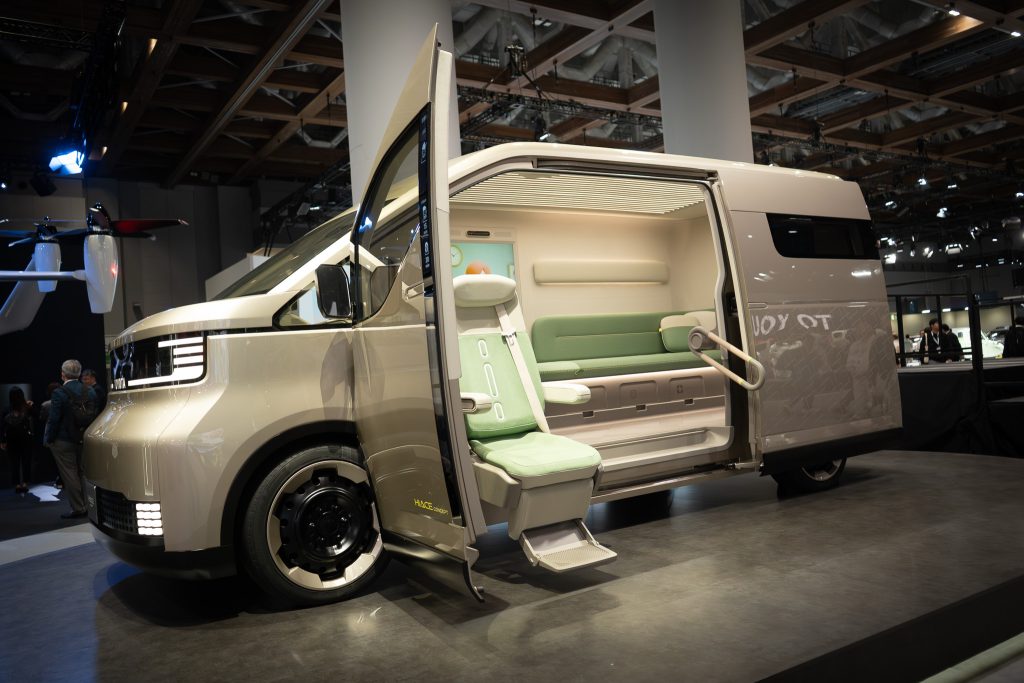
This is the Hiace you’re looking for. Extremely customizable for a range of applications, the Hiace Concept looks like the big brother of the aforementioned Kayoibako, and bears similar flexibility for whatever demand or requirement. At the JMS, we spied a mobile clinic version of it that included a long couch/bed and nifty storage spaces for medical equipment and other equipment underneath. A motorized chair was also built in to accommodate the differently abled or immobile patients. A high-definition screen was also installed within presumably to help with consults.
Chibibo
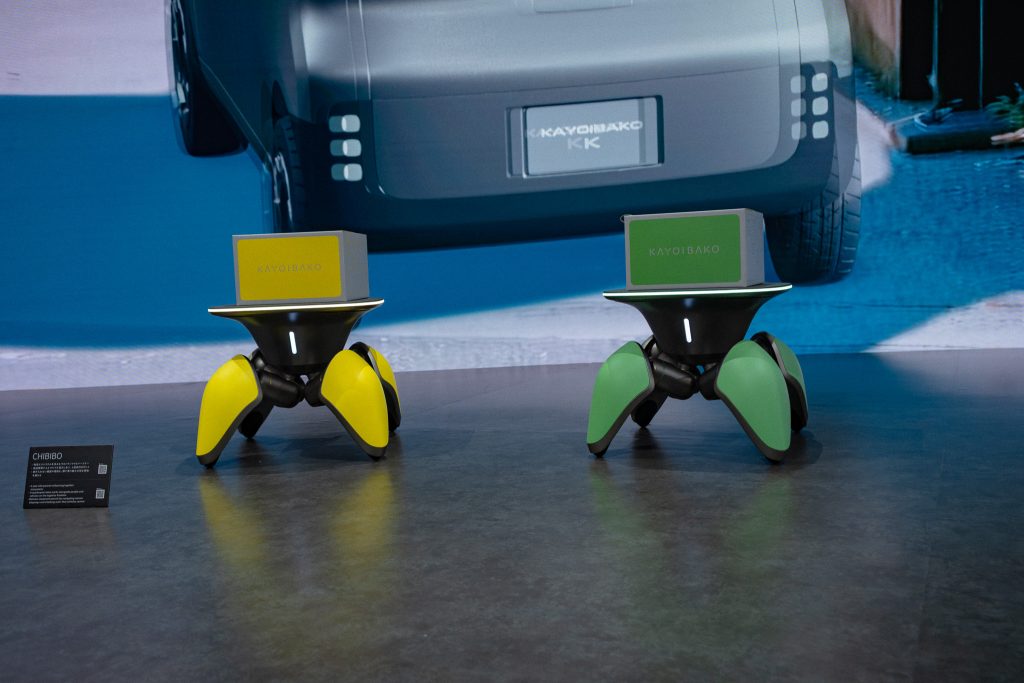
Imagine a robot delivering a box of freshly brewed coffee beans to you. A motorized quadruped that can work alongside us, the Chibibo is positioned as a “last-mile partner” for logistics companies and such. It has the ability to go where conventional wheeled vehicles cannot – such as narrow alleys and up stairways.
KB Lifter
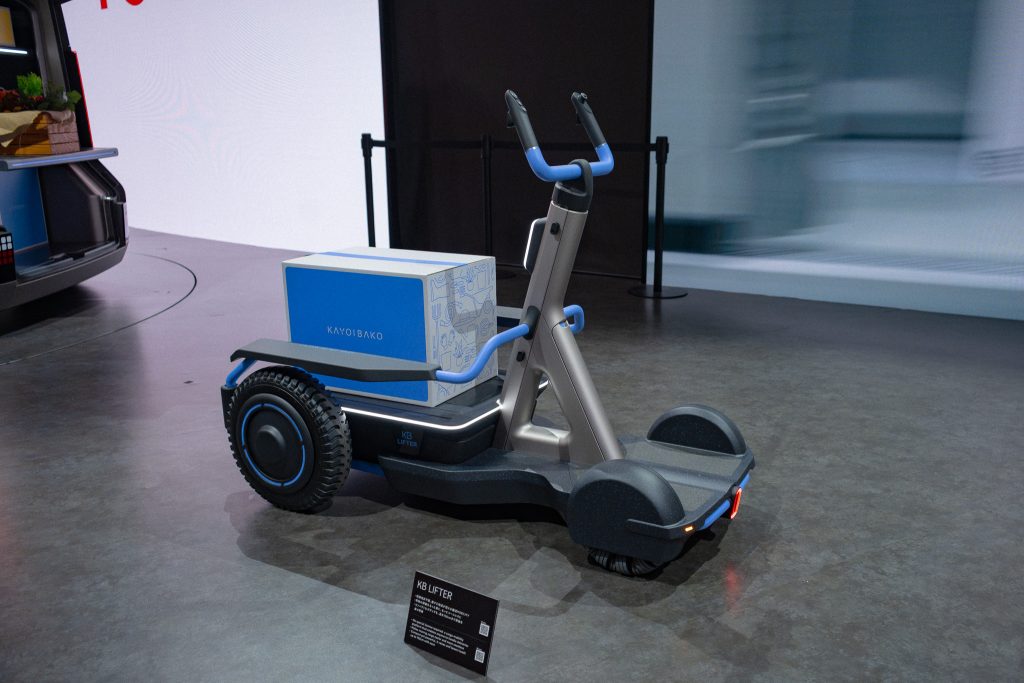
Still part of the larger Kayoibako family, the KB Lifter is basically a small, electric forklift – a “self-propelled cargo platform” concept that can raise and lower loads up to 150 centimeters. As with the Chibibo, it is a last-mile delivery solution. It bears oversized front wheels and smaller rear wheels attached to the platform where the operator stands.
Coms-x
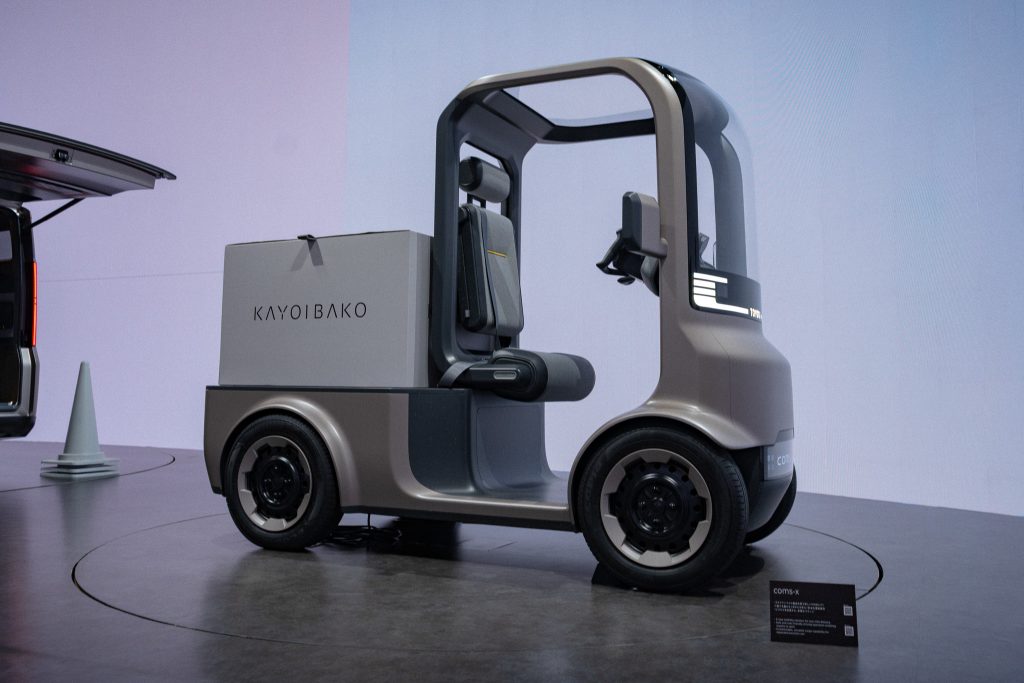
Another electric last-mile delivery solution, the Coms-X is a small pickup-type workhorse that is said to be flexible and easy to drive. I can almost see this being deployed in large warehouses, working alongside some of the aforementioned models we’ve mentioned.
Kago-bo
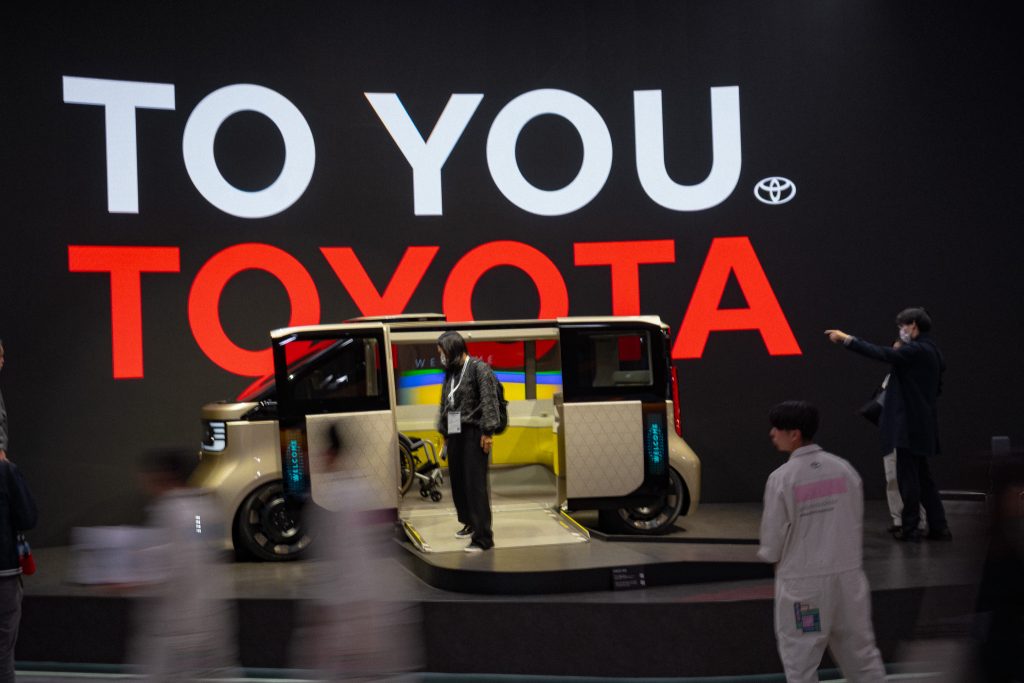
The Kago-bo is purveyed as a new taxi – offering “safe, secure mobility made easy and enjoyable.” Spacious and PWD-friendly, the model is envisioned as an autonomous vehicle when it is finally deployed in the (hopefully near) future. Toyota touts it as an “ultra-comfortable, open space in a car-shaped robot designed around people.”
I got to board the vehicle to check it out, and found it nothing less than a comfortable lounge on wheels – a practical, spacious means of getting from here to there. The greenhouse also seems to double as info screens to make the commute even more entertaining and informative.
Kids Mobi
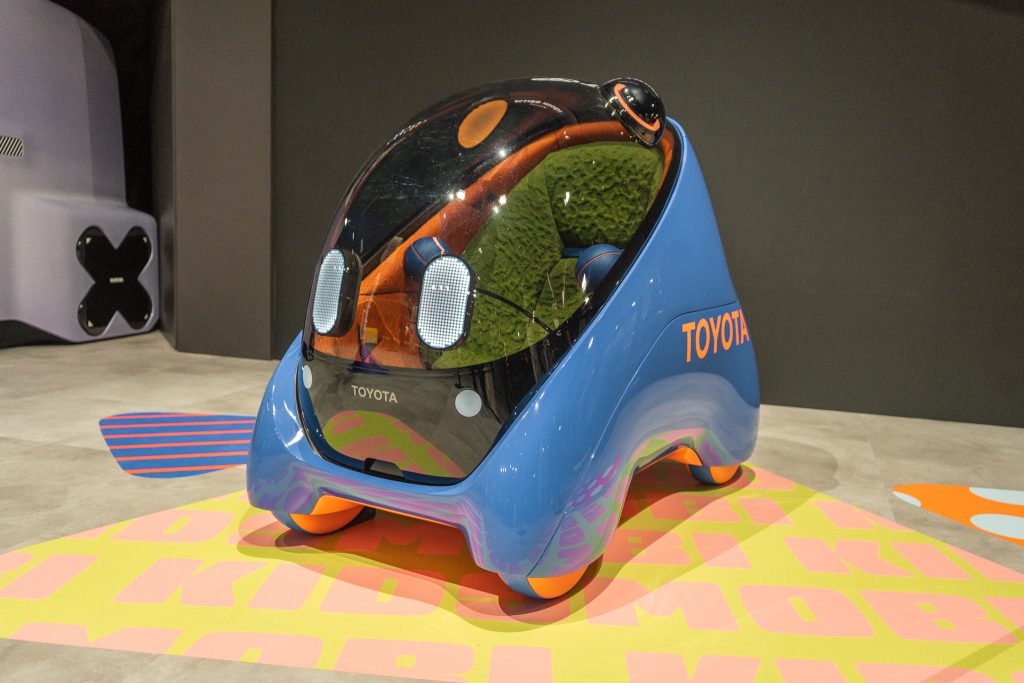
Why should kids be left out of the action? Mobility for All also means including the little ones. This “safe and secure AI-powered personal mobility for kids” features a “friend” that will support children’s development. The Kids Mobi is seen as expressing the “ultimate goal” of AI and robotics.
Walk Me and Boost Me
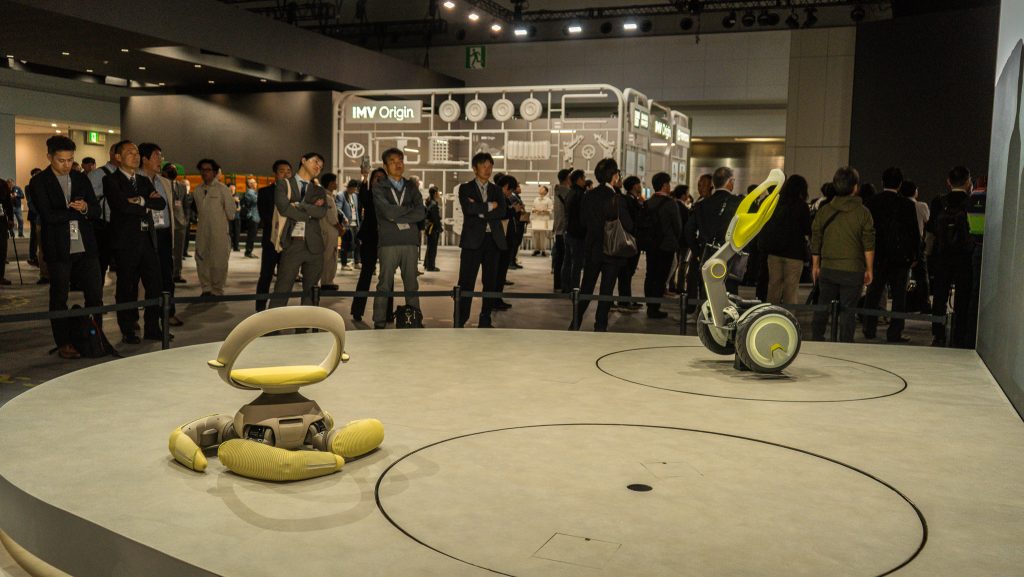
Walk Me (in photo, left) helps anyone “go anywhere.” A quadruped mobility solution, the Walk Me is said to be able to enhance range of movement – moving indoors and outdoors without worrying about steps on uneven terrain. Boost Me, on the other hand, is a Segway-like contraption that is positioned as “assisting anyone to enjoy sports on equal terms.” Significantly, Boost Me allows for hands-free use for added versatility. The rider controls the device through “leaning, rotating, stretching, and bending.”
Challenge Me
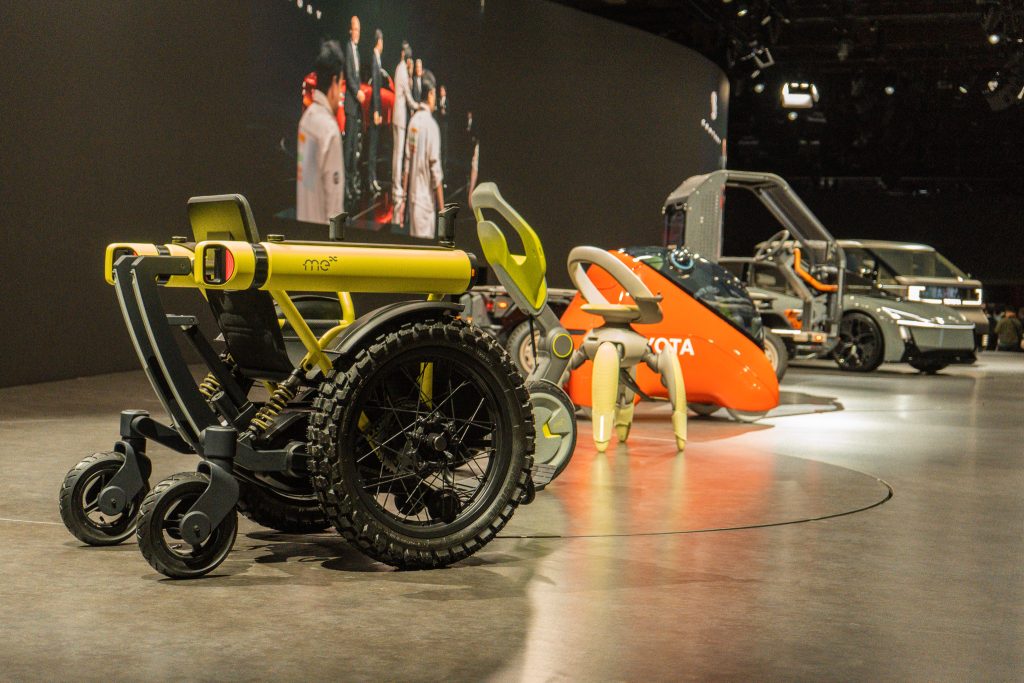
This electric wheel chair isn’t just powered; it can take its passenger where other wheel chairs can’t. Positioned as “mobility for uncharted paths,” the Challenge Me is said to provide “superior all-terrain performance and ability to traverse steps.”