








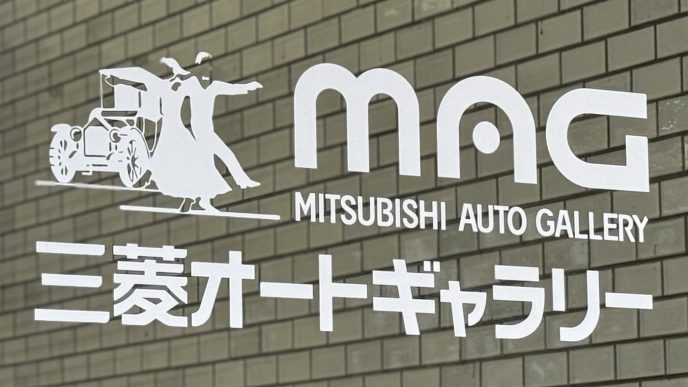
Tucked inside Mitsubishi’s Okazaki Plant is a museum most people will never see: the Mitsubishi Auto Gallery. Access is by invitation only, but don’t be mistaken – this isn’t your typical corporate facility where visitors are dressed in black and white. It’s a time capsule – the space chronicles over a century of Japanese automotive progress, seen through the lens of one manufacturer that evolved alongside its country’s industrial rise.
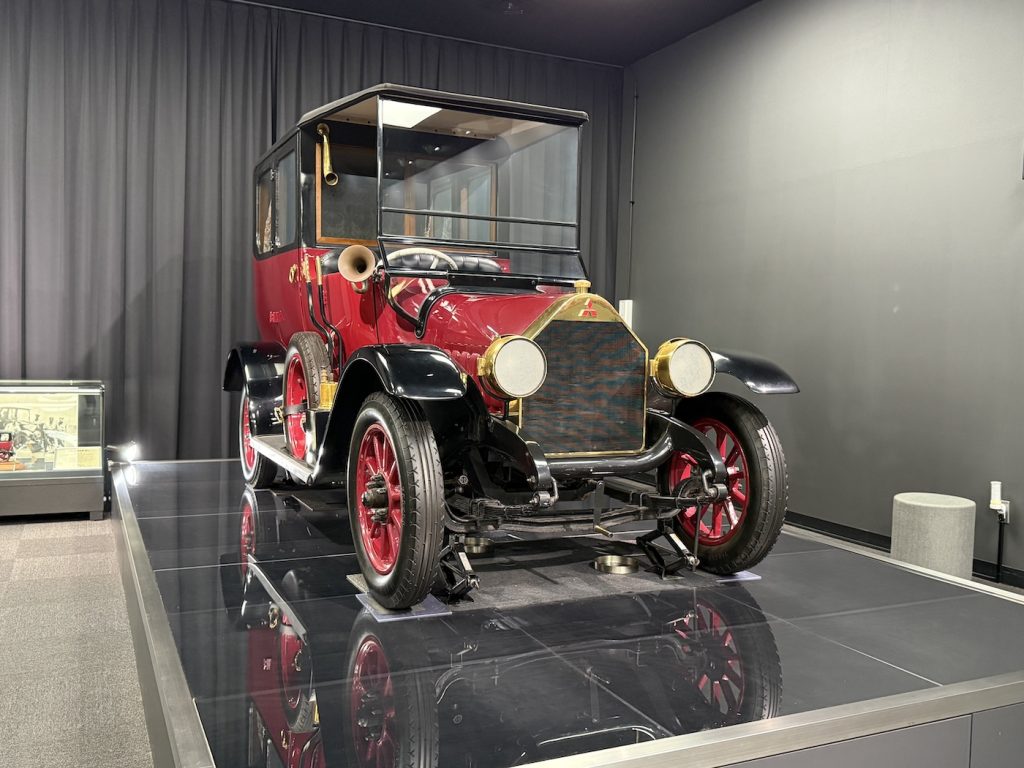
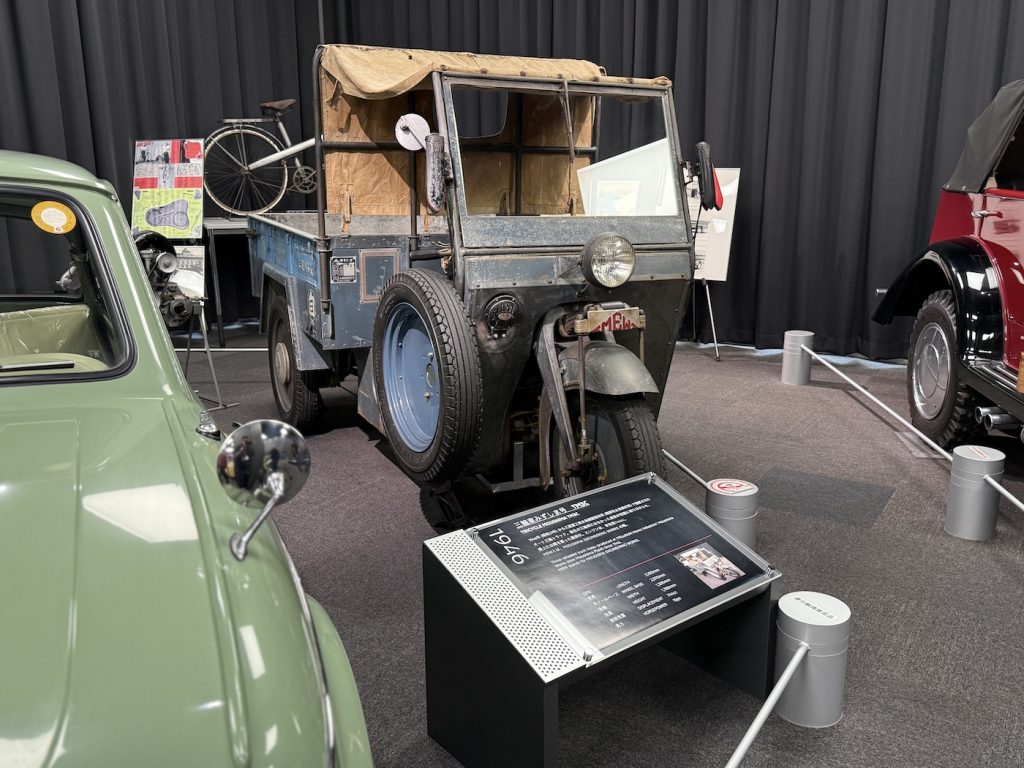
The journey begins with the Mitsubishi Model A (1917) – Japan’s first mass-produced passenger car. Only 22 units were made, all hand-built at the Kobe Shipyard. Its upright wooden frame and carriage-like stance recall an era when automobiles were still novelties rather than necessities. A few steps away stands the Mizushima TM3C (1946), a postwar three-wheeler that served as Mitsubishi’s first mass-produced vehicle.
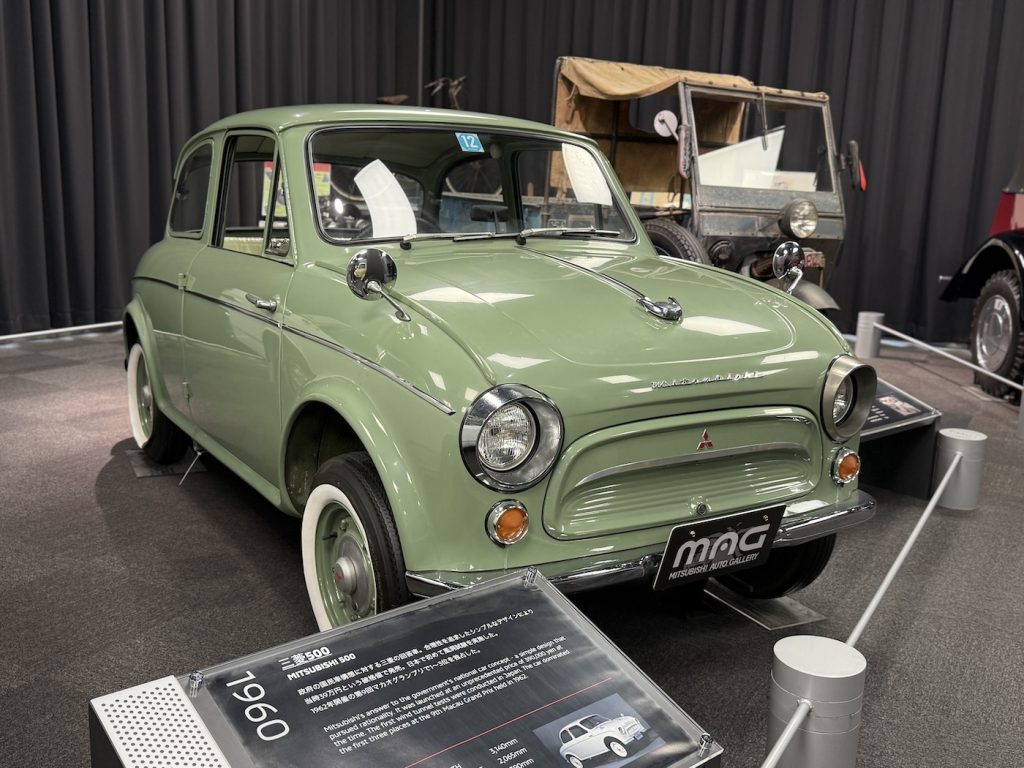
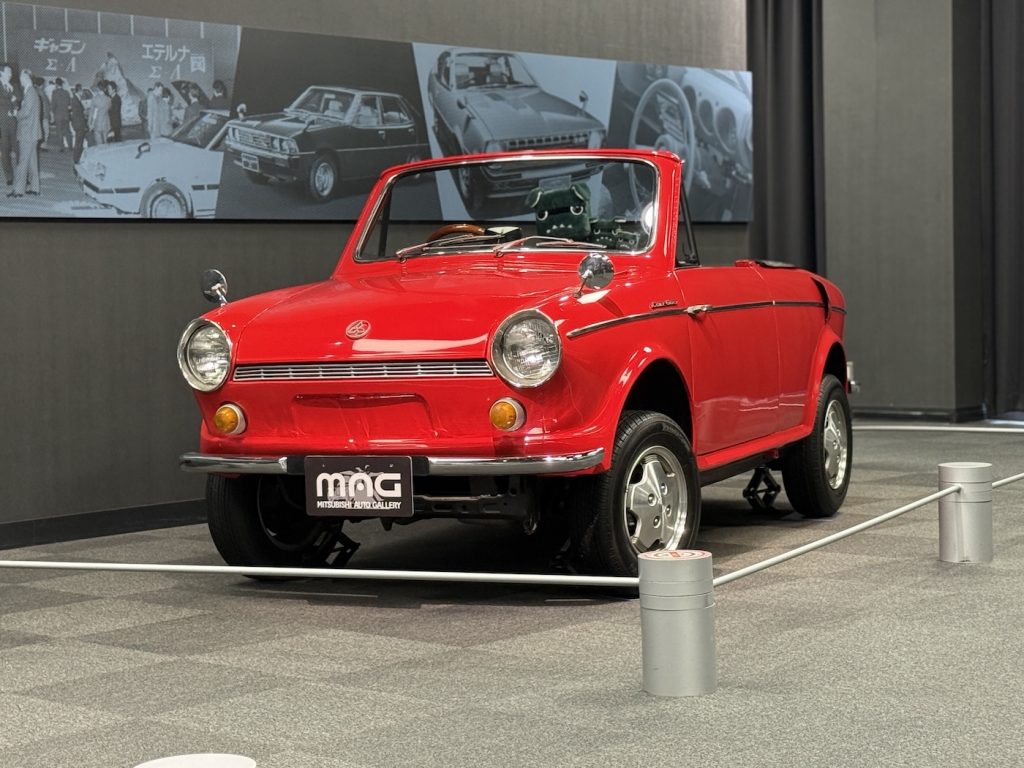
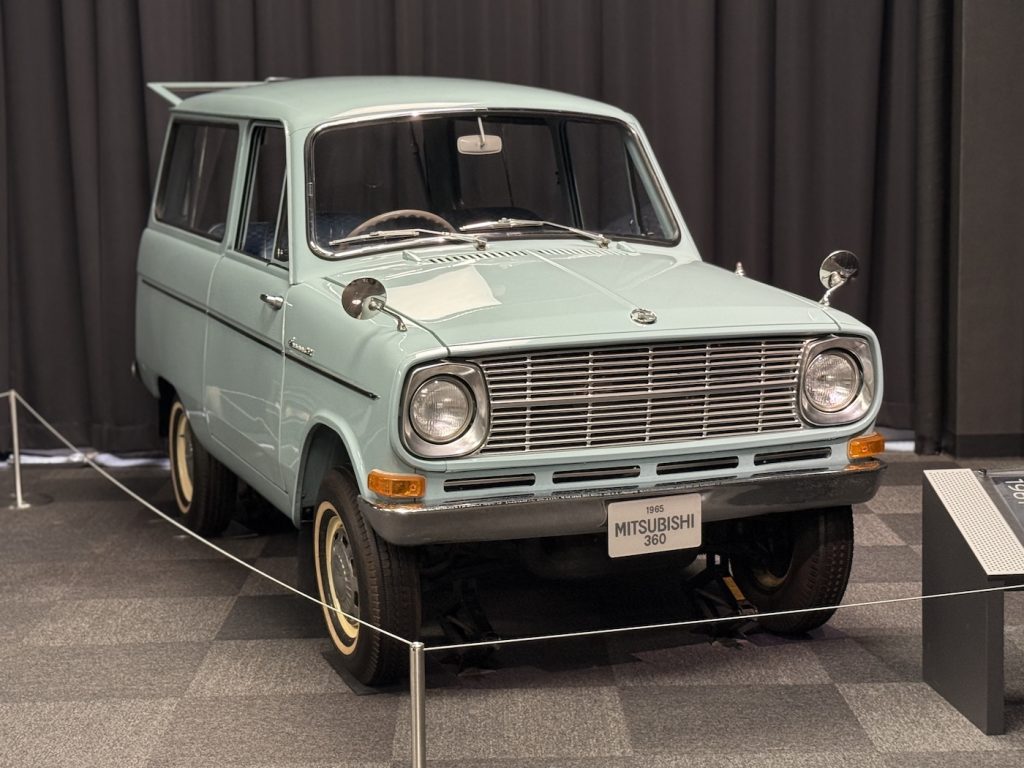
The 1960s marked Mitsubishi’s shift toward mobility for the masses. The Mitsubishi 500 (1960), developed under Japan’s “people’s car” initiative, was small and simple, but not dull. In fact, it swept the 1962 Macau Grand Prix. Nearby, the Colt 600 Convertible (1962) and Mitsubishi 360 Light Van (1961) showcase early experiments with lightweight design and practicality that laid the groundwork for Japan’s kei car culture.
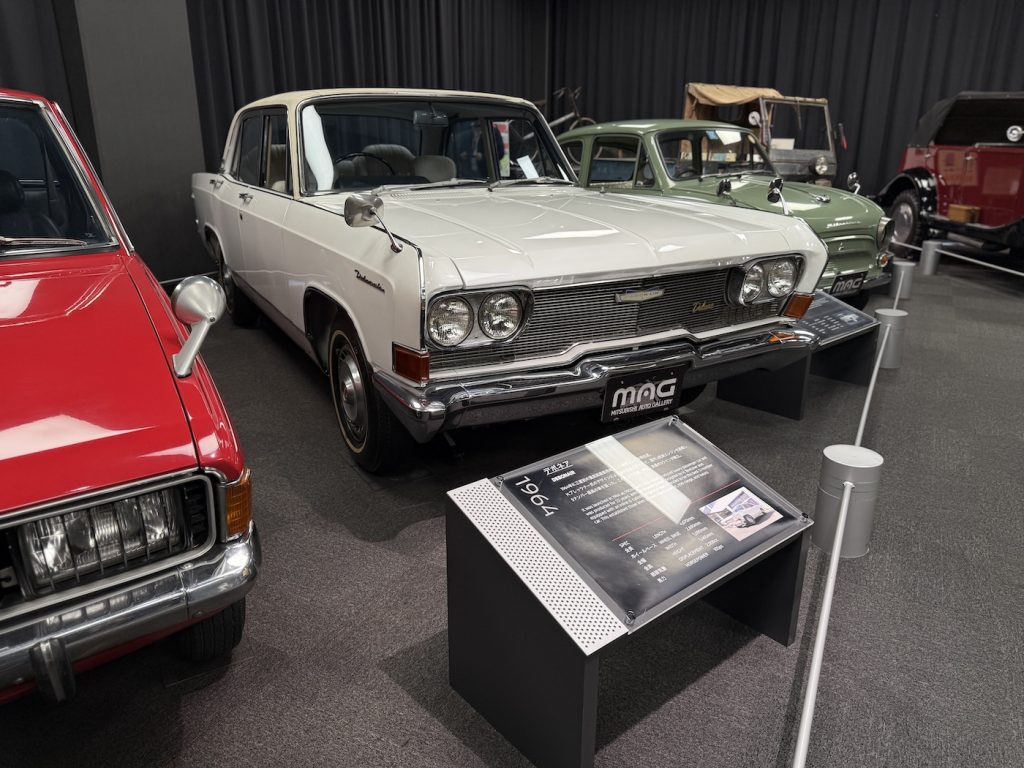
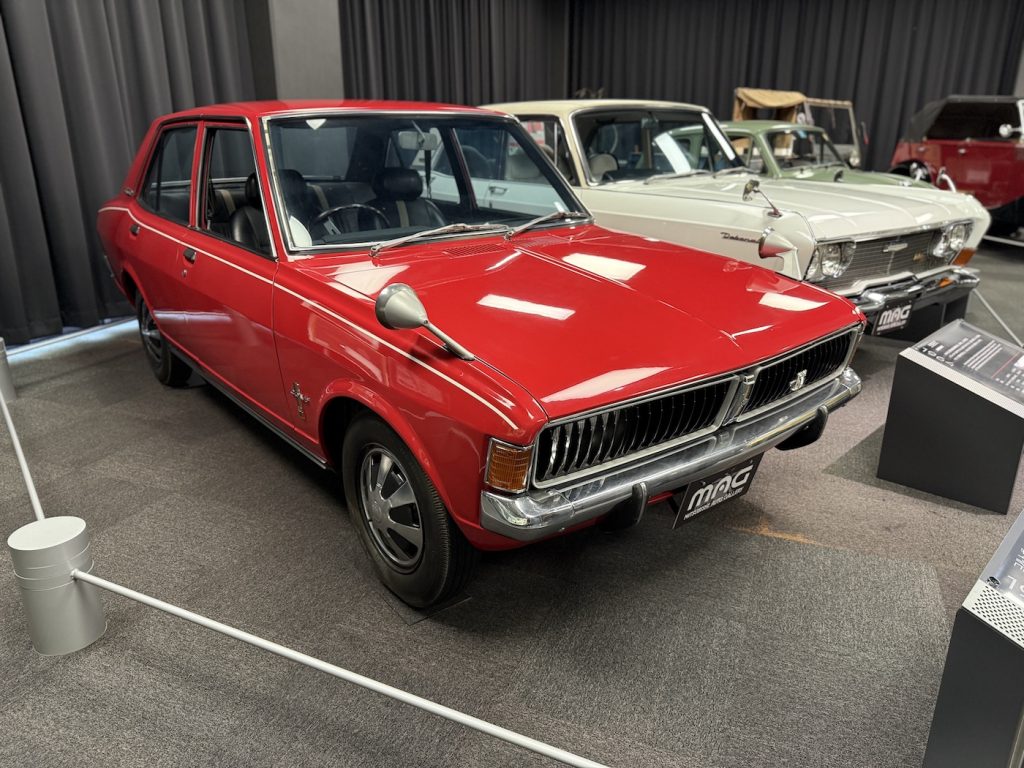
Mitsubishi’s ambitions grew quickly. The Debonair (1964) entered as the company’s first true luxury sedan, styled by Hans Bretzner with an eye toward Western sophistication. Then came the Colt Galant (1969), which introduced Mitsubishi’s first overhead-cam engine and a sharper, wedge-shaped profile. Beyond style, its 1972 Southern Cross Rally victory signaled the brand’s growing appetite for motorsport success.
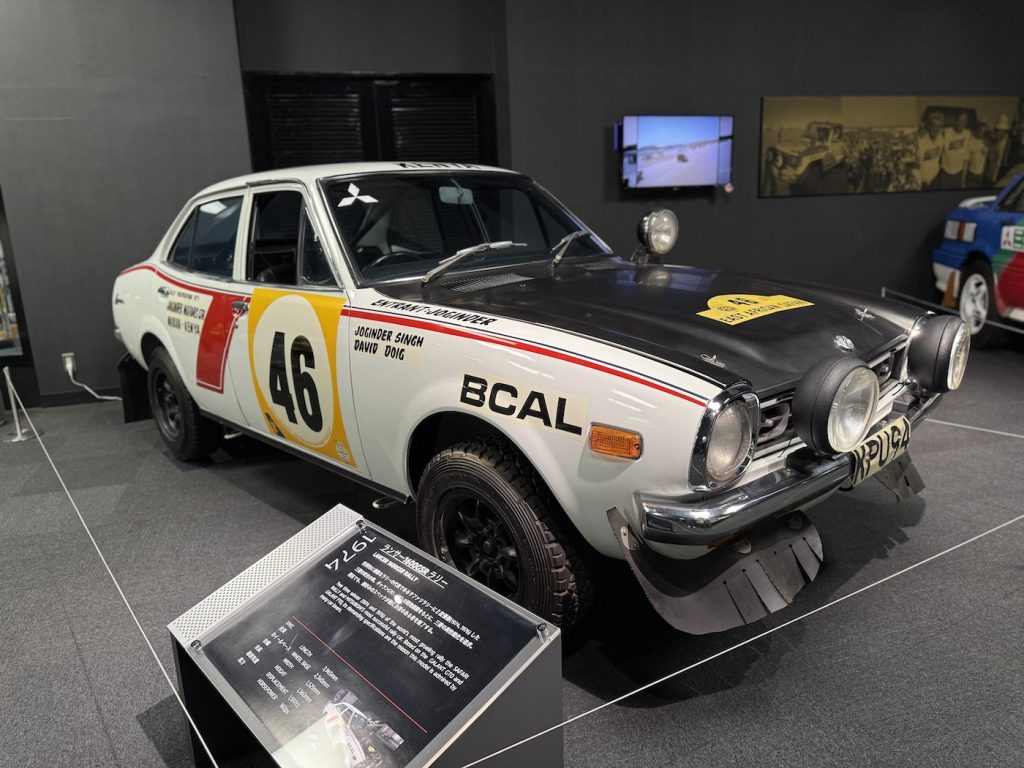
The Auto Gallery’s rally section felt like going through Mitsubishi’s greatest hits. The Lancer 1600 GSR (1974) still proudly wears the patina of East African dust – a car that twice conquered the Safari Rally and proved Mitsubishi could endure the harshest terrain on Earth.
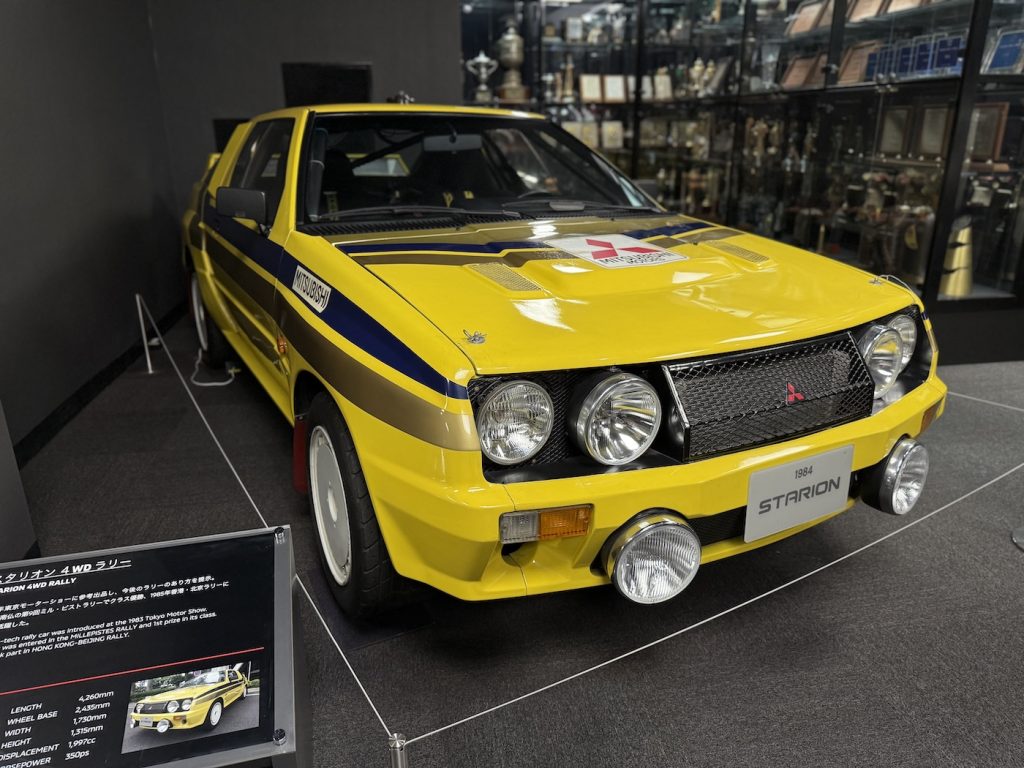
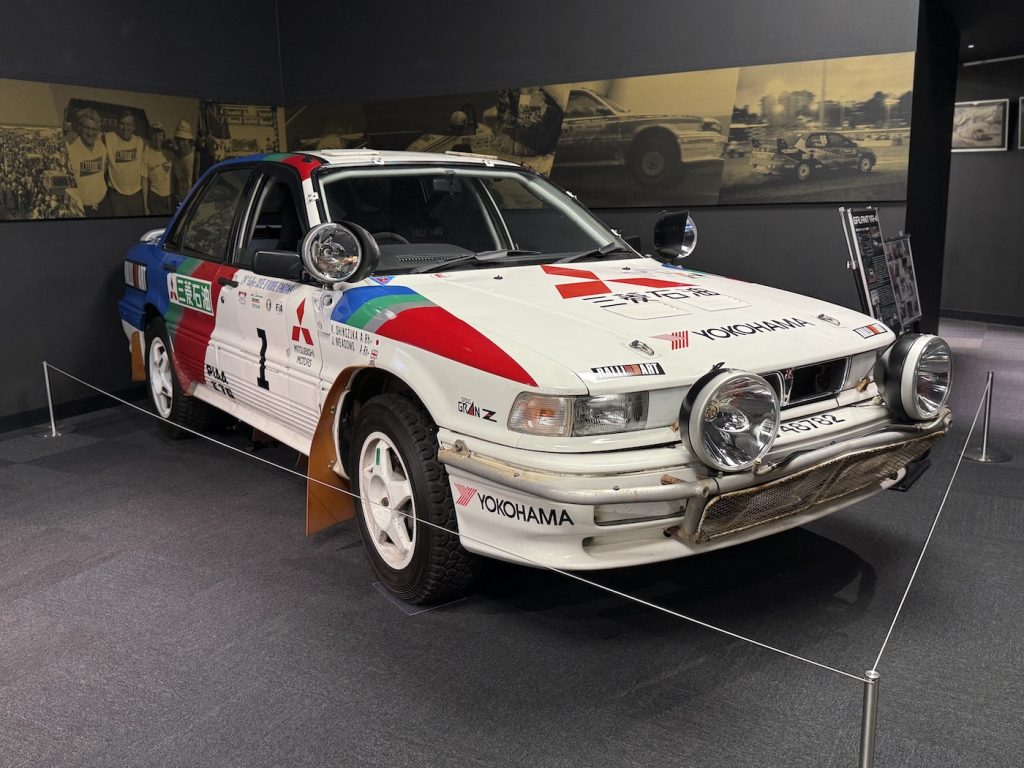
In the corner sits the Starion 4WD Rally (1984), which was a prototype that didn’t officially compete. However, it predated the company’s move toward high-tech, all-wheel-drive performance. Nearby, the Galant VR-4 captures Mitsubishi’s late-’80s glory – a turbocharged, all-wheel-drive sedan that blurred the line between rally stage and consumer cars.
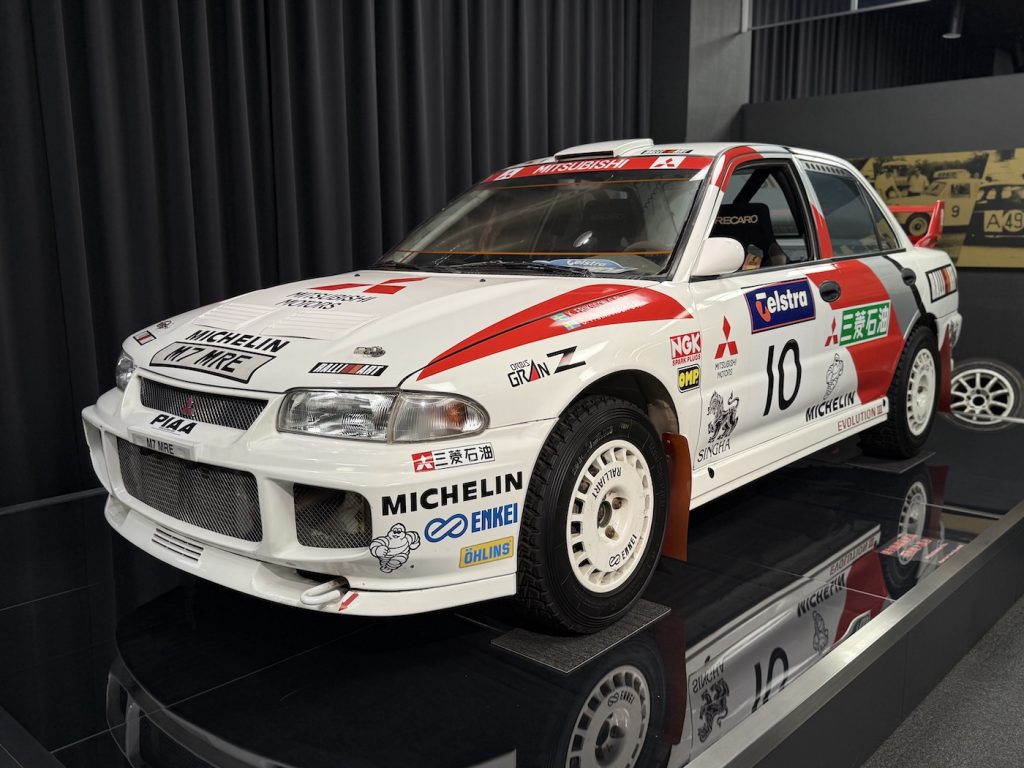
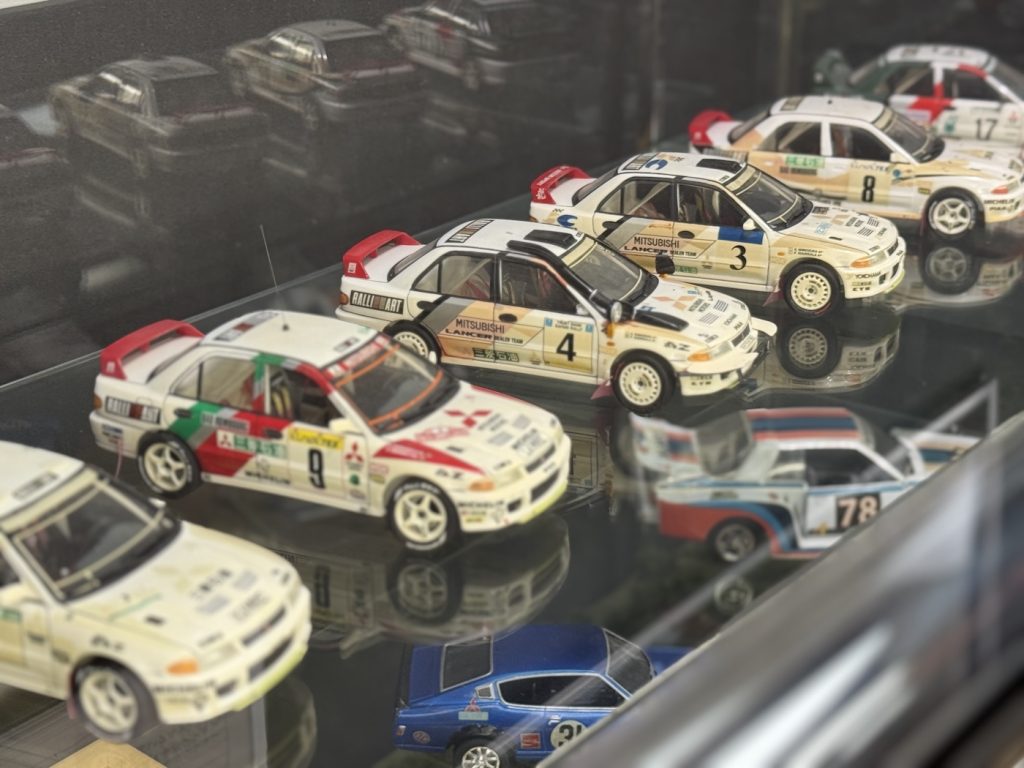
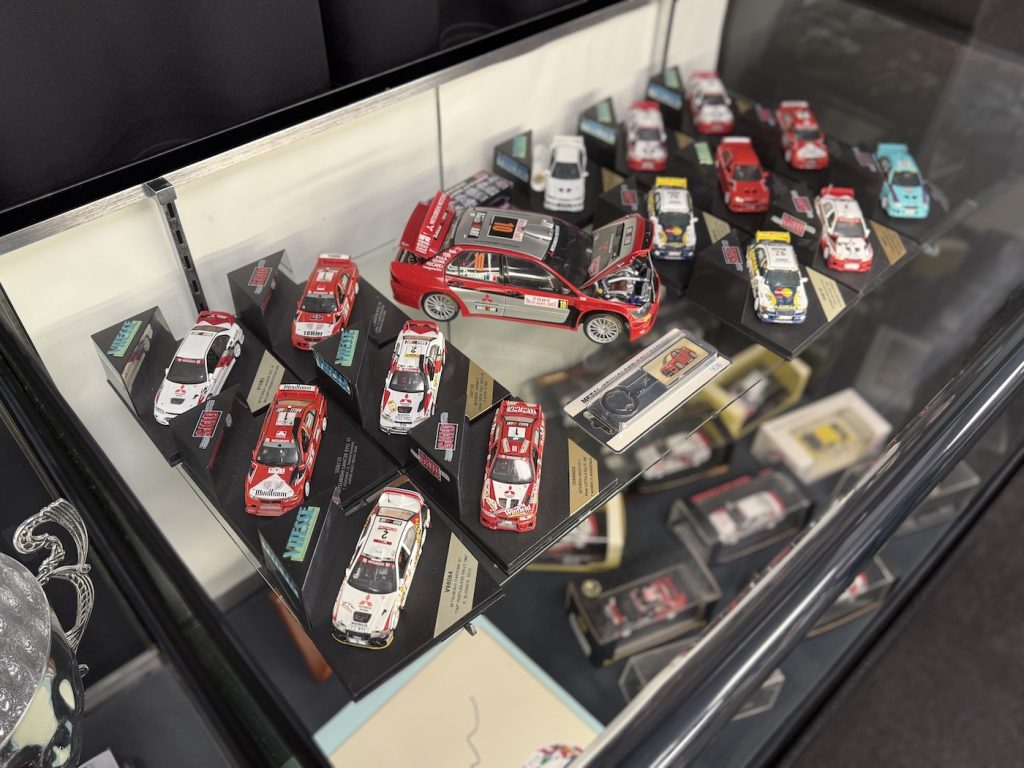
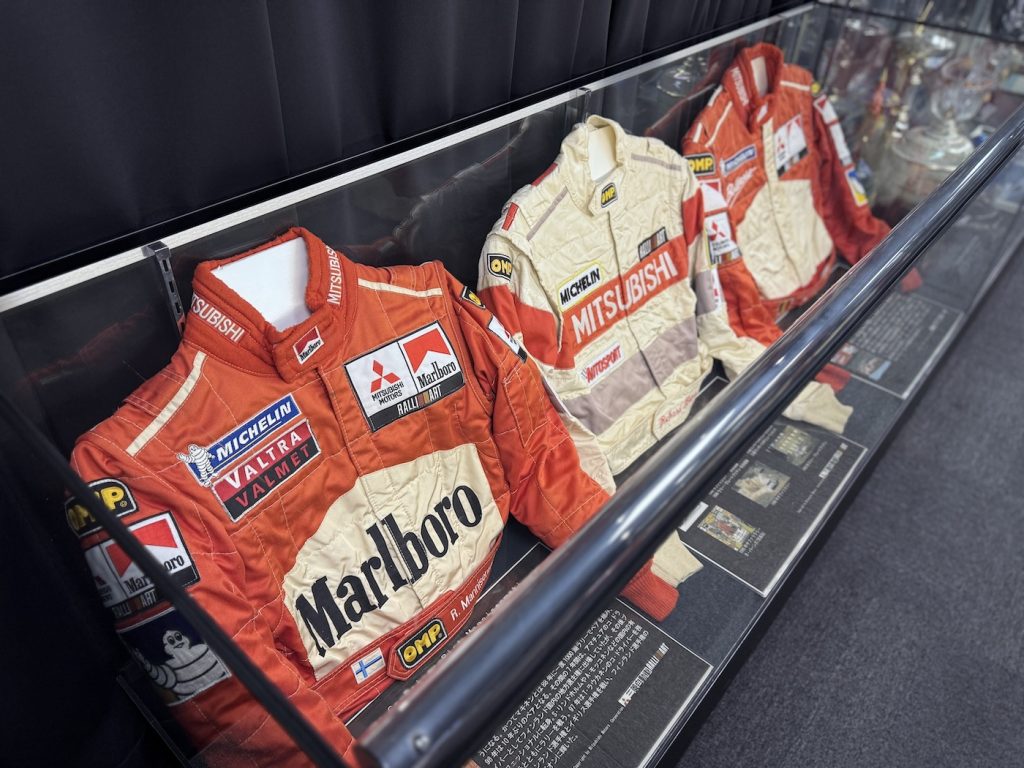
Then comes the Lancer Evolution III (1995), the car that turned Mitsubishi into a WRC household name. The very unit displayed here is the one Kenneth Eriksson drove to the brand’s first WRC victory in Australia. Standing before it feels like meeting the moment Mitsubishi reached the top of the rally world.
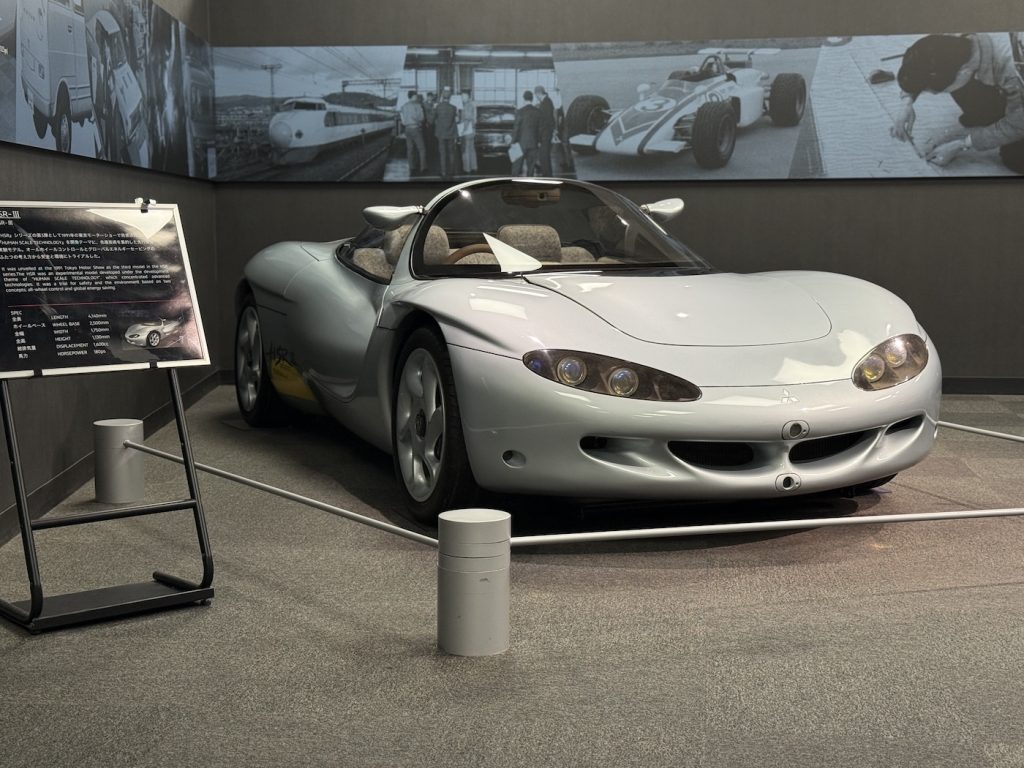
One display that draws quiet admiration is the HSR-III (1991) concept car. Introduced three years after I was born, the HSR-III was a sleek, wedge-shaped coupe with all-wheel control, a turbocharged 1.6-liter engine, and an aerodynamic body. It represented Mitsubishi’s futuristic idea at the height of Japan’s bubble era – something I wish I witnessed at a ripe age. It never reached production, but it hinted at what could have been if Mitsubishi had continued to chase bold ideas.
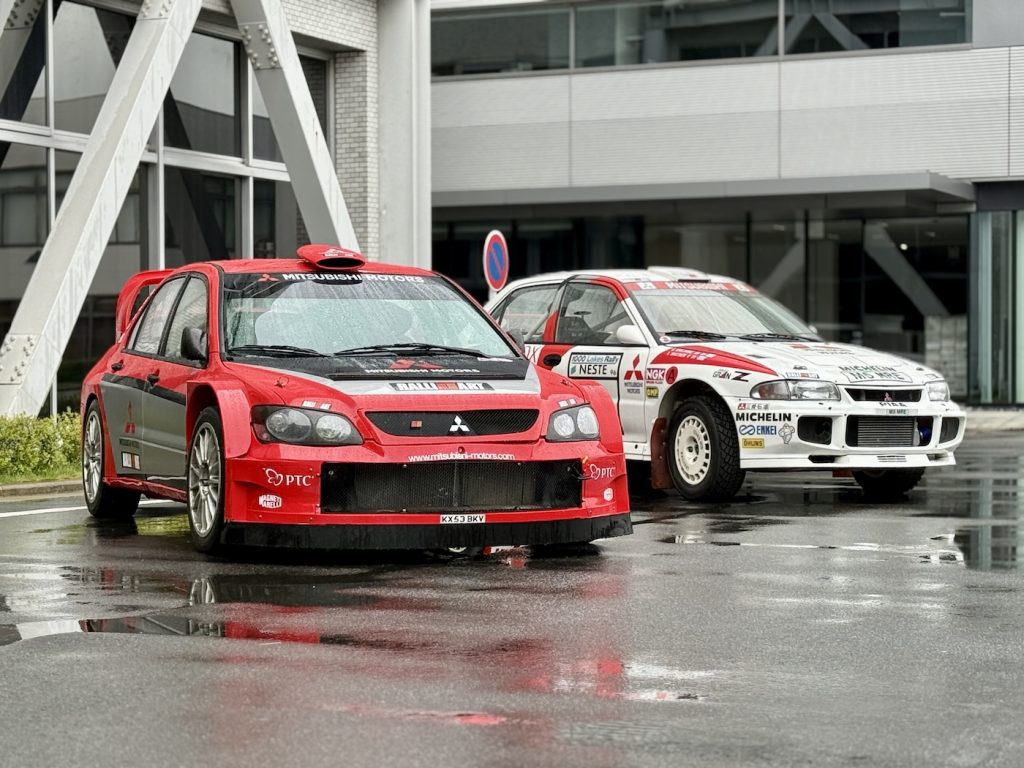
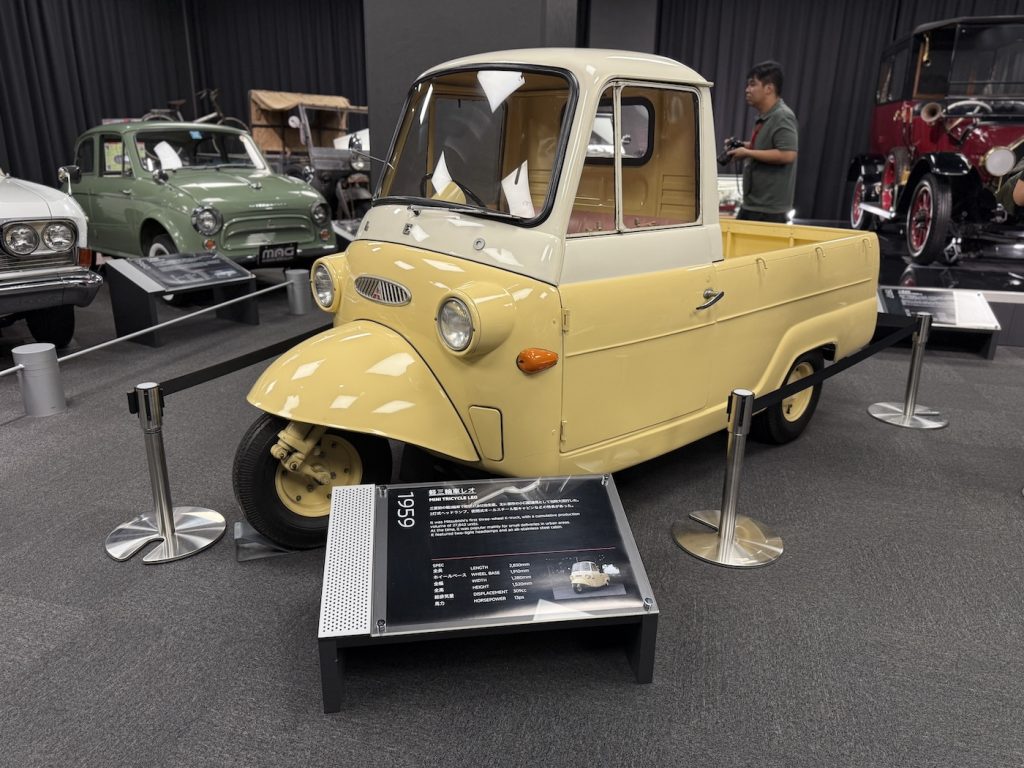
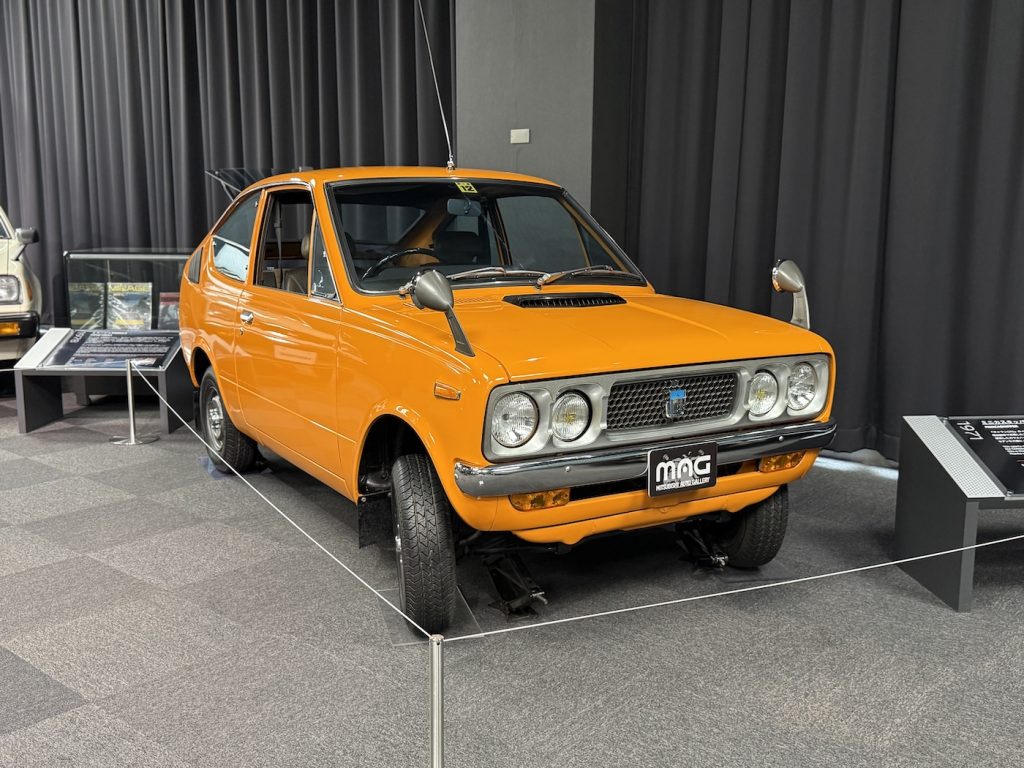
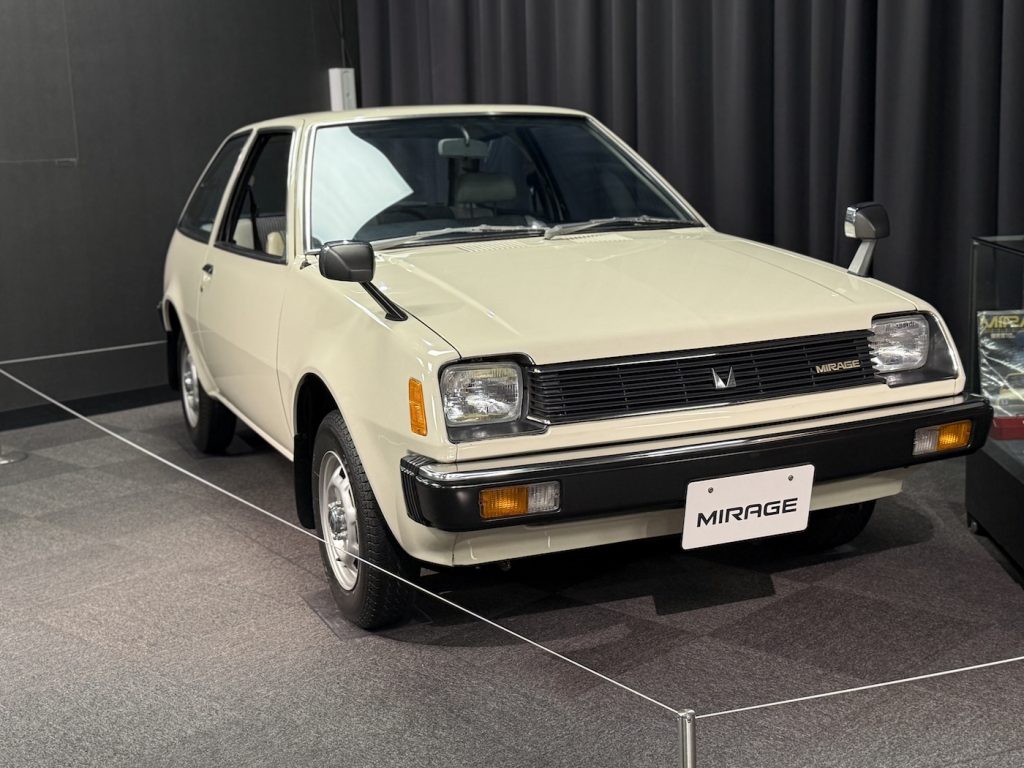
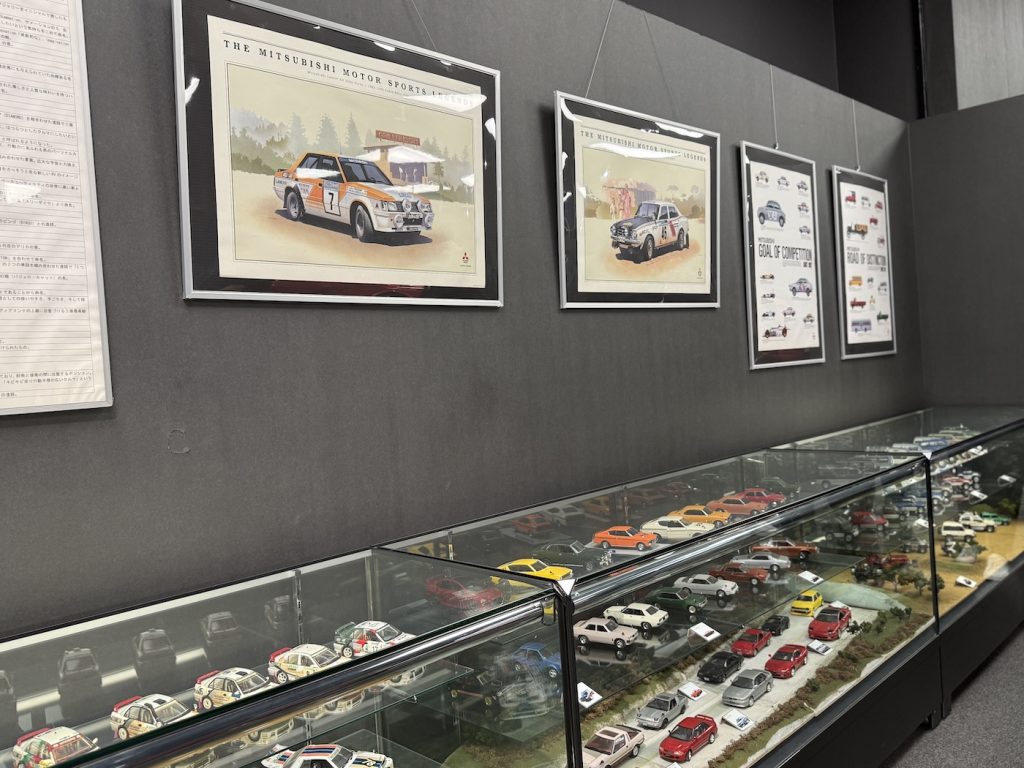
The Auto Gallery is a visual timeline of how Mitsubishi mirrored Japan’s industrial and cultural evolution. From rugged three-wheelers to Dakar-ready SUVs, the company’s spirit of adaptability runs through every exhibit. The 1994 Pajero Mini, blending off-road style with kei car practicality, perhaps sums it up best: small in size, big in spirit.
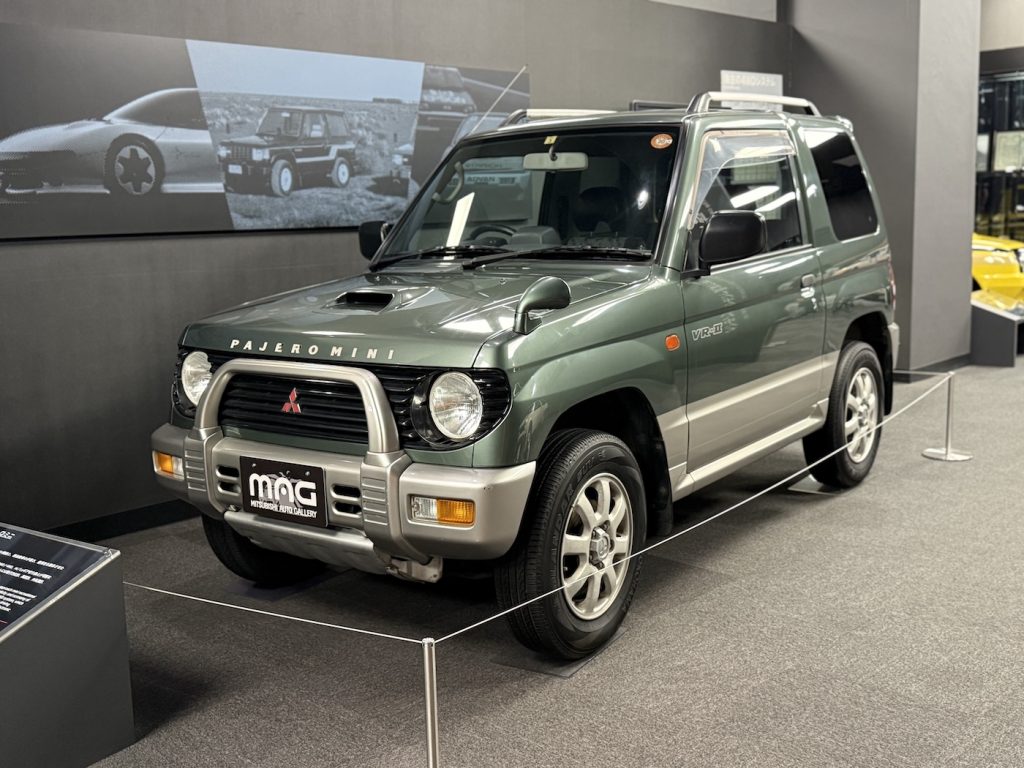
Inside this quiet museum, every car carries a piece of the company’s DNA – from shipbuilding roots to world rally glory. It’s a reminder that Mitsubishi’s story goes more than automobiles – it’s also about Japan’s drive to build, compete, and dream.