




In 1986, pickup trucks were not unusual on Philippine roads, but not for the reasons they are today. Back then, they were basic, no-frills machines meant purely for work. A pickup then was a tool, not a status symbol, meant to haul rice, construction materials, or livestock.
Fast forward to 2025, and that same type of vehicle now comes with leather seats, massive touchscreens, adaptive cruise control, and even plug-in hybrid technology.
Clearly, there was a huge change in the span of 39 years. But what exactly?
1986: Built to work, not impress


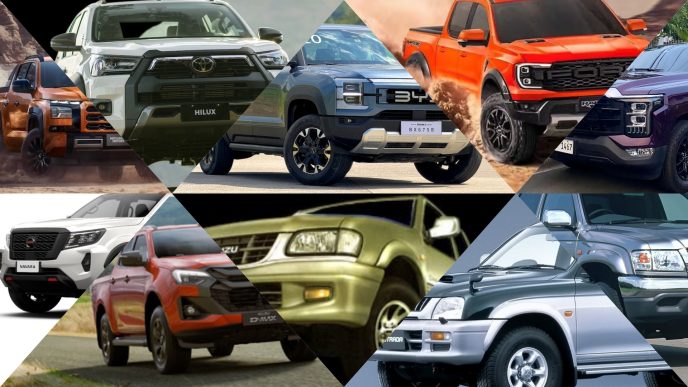
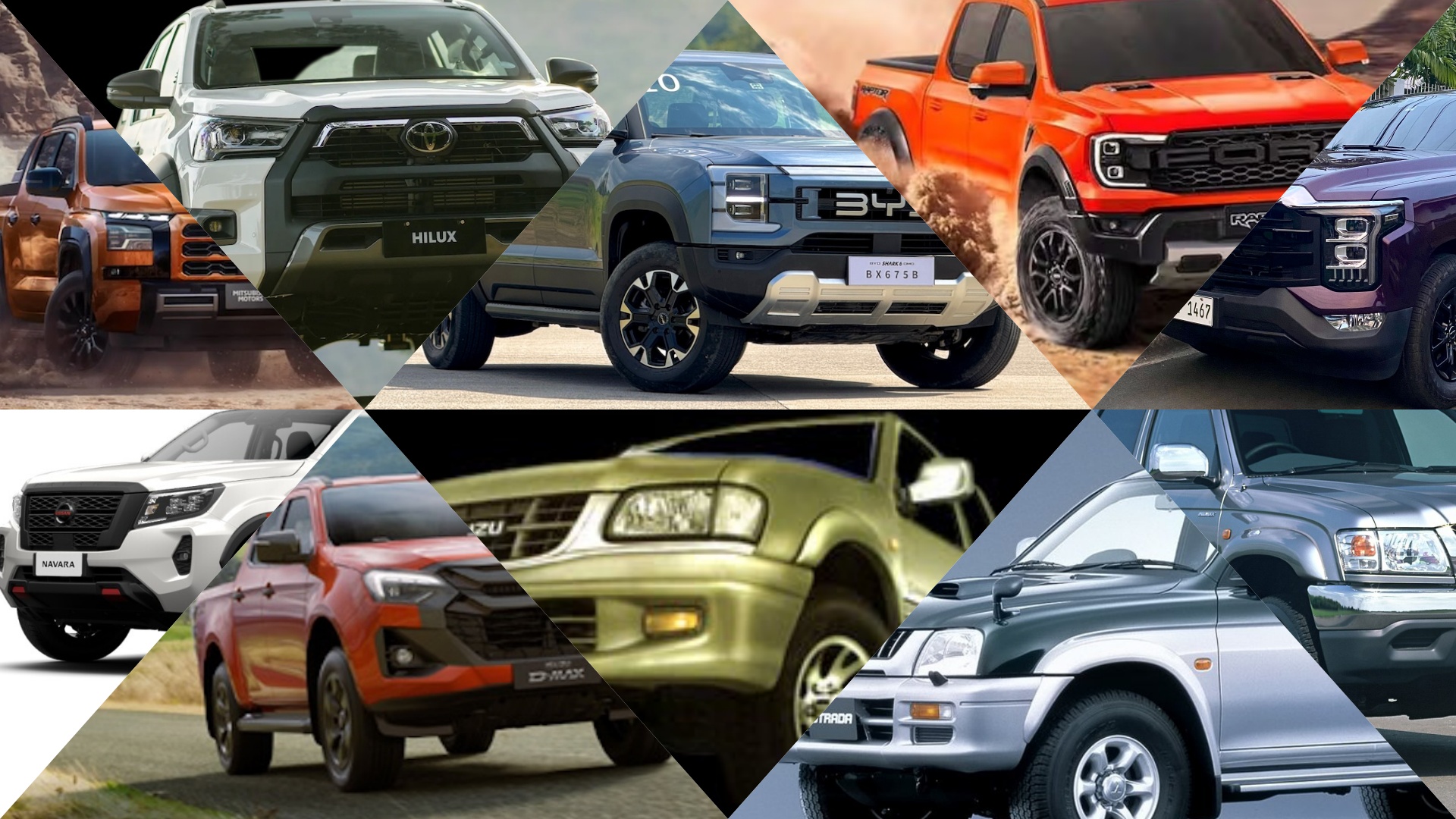
In the mid-80s, the popular pickups were names we still know today – the Toyota Hilux, Mitsubishi L200, Isuzu KB (which later became the Fuego before the D-Max), and the Nissan Power Pickup, the forebear of the Frontier, and then the Navara. But these were barebones vehicles. Most were two-door, single-cab models with hard suspensions, underpowered diesel engines, and interiors that made the Toyota Tamaraw FX look plush. Manual steering, no air-conditioning, crank windows – these trucks were as basic as they come.

But they were tough. The engines were simple and could run even on bad diesel. Repairs were cheap. If something broke, you didn’t need a diagnostic scanner, just a mechanic and some elbow grease.
Many of these trucks ran for decades, bouncing between provinces, often with homemade beds or hastily patched-up panels. For most owners, comfort didn’t matter. What mattered was that they could haul half a ton of load through muddy barangay roads and still start the next morning.
2025: For the boulevard, not just the bukid

These days, pickups are just as common in Bonifacio Global City as they are in provinces. You see Ford Rangers with 20-inch wheels and LED light bars, Hilux Conquests parked at upscale malls, and even luxury variants costing well over P2 million. A lot of them never get their beds dirty.


Today’s pickups are a world apart from their ancestors. Step into a new Ranger or Hilux and it’s basically a high-riding SUV with a cargo bed. You get things like dual-zone climate control, 12-inch touchscreens with Apple CarPlay and Android Auto, leather interiors, and more safety tech than many crossovers: adaptive cruise, lane-keeping assist, 360-degree cameras, and multiple airbags.

Off road? Sure, they can still do that. But now you can switch drive modes electronically. Locking the rear diff? Just push a button. There’s no need to get out and manually twist anything on the front hubs anymore.
From utility to lifestyle
The biggest shift, though, might be in mindset. In the 80s, pickups were mostly for work: farmers, construction crews, LGUs. These days, a lot of buyers are young professionals, outdoor enthusiasts, or families who just like the idea of a tough-looking, go-anywhere ride.

And because pickups were exempt from the excise tax on passenger vehicles, they offer a lot of metal for the money, especially if you need something bigger than a compact SUV.
Brands have responded to that demand. There are now wild, performance-focused variants like the Ranger Raptor, tech-heavy offerings from China like the Foton Tunland and GWM Cannon, and even premium-feel trims from Nissan and Mitsubishi. The focus has shifted from durability and ease of repair to comfort, tech, and image.

Unfortunately, excise tax has already returned this month, though some brands still holding on to their older pricing before the rush of jacked-up value comes in.
The era of plug-in power
Here’s where it gets interesting. Pickups are now going electric. Well, sort of.

Enter the BYD Shark 6 DM‑O, one of the most high-tech trucks currently available in the Philippines. It has range-extended EV system, essentially a plug-in hybrid with dual electric motors and 435 horsepower. It can go up to 100 km on pure electric range, and up to 1,100 km combined with its gas engine.
But it’s not just about numbers. The Shark is also practical, touting a vehicle-to-load (V2L) capability that can run a refrigerator, a rice cooker, or even a karaoke machine directly off the truck.
Another is the Changan Hunter K50 REEV, which also uses a range-extender plug-in hybrid system.
What’s really changed?
Looking at where we started – steel bumpers, manual everything, and AM radios – and where we are now, it’s easy to say the pickup has evolved. But more than just features and performance, it’s the role of the pickup that’s changed.
Before, it was a work tool. You bought one because you had to. Today, it’s a lifestyle choice. A pickup now has to be tough enough to handle floods, potholes, and muddy trails, but comfortable and refined enough for a BGC commute or a weekend getaway.
Even the idea of “tough” has changed. In 1986, that meant surviving abuse and running forever. In 2025, toughness might also mean being adaptable: running on electric power, carrying mobile power stations, or handling traffic with radar-guided cruise control.
There’s still space on the road for the old-school, no-nonsense pickup; many farmers and small businesses still use stripped-down variants for what they were meant to do. But today’s trucks do so much more. They’re your family hauler, mobile office, mountain escape machine, and power source all rolled into one.
And while the Hilux of 1986 and the BYD Shark of 2025 couldn’t be more different in terms of specs, they serve the same core purpose: giving Filipinos the freedom to go anywhere, carry anything, and handle whatever the road throws their way.
That purpose hasn’t changed. Everything else has.