





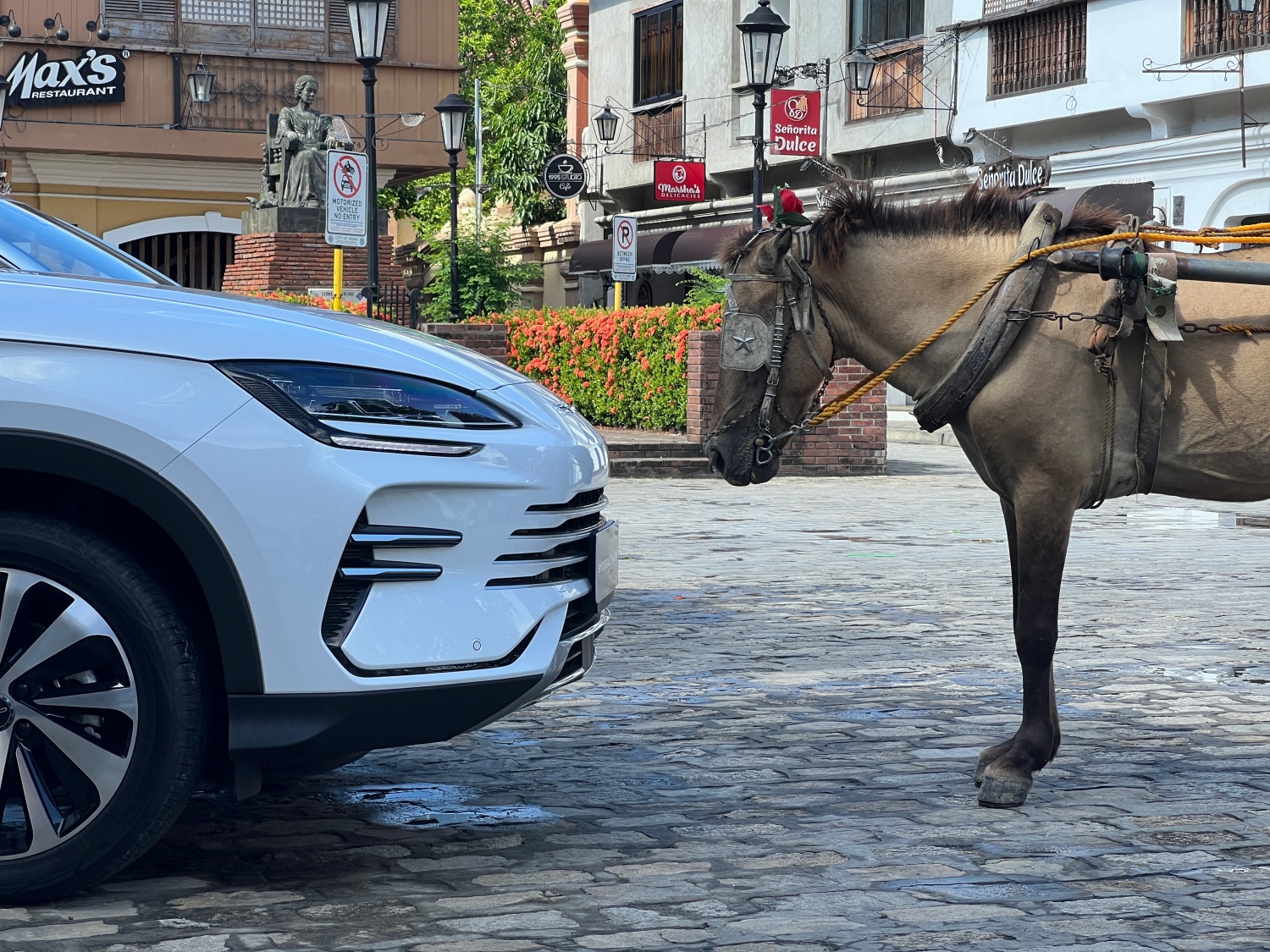
Okay, horses were long gone as main means of transportation in 1986. Still, private cars weren’t a must back then. Commuting was relatively easy as we have a very personal public transport system. From your home you can hail a tricycle or a quiet pedicab. You don’t have to walk to the nearest jeepney or bus stop. After that, you’ll take your jeep or bus, and then your choice if you want a taxi to your exact destination or take another jeep or bus then walk.
Those who are already traversing across multiple cities were treated to a new line of transportation. The LRT Line 1 that runs from Baclaran to Monumento was just launched the year prior. Both the trains and stations were clean and didn’t reek of human discharge, and it ran smoothly.
The best thing about it all was every destination in Metro Manila was 30 minutes away. My mother shared stories of how she would attend events in Intramuros from her work in Batasan, QC and it will only take her 30 mins in a taxi. She was also taking up Law in Manila then. She’ll leave work by 5pm and despite the multi-vehicle commute, she’ll arrive at her school by 5:30pm. If only Mark Villar can go back in time. Now, it takes me 45mins just going from the north side of QC to the south side (Cubao area). Her story about 30 mins from Batasan, QC to Manila? Good luck if you can take that under an hour even with a private car today.
In the early 2000s, commuting improved as 2 train lines opened. MRT-3 opened around 2000 while LRT Line 2 started around 2003. Together, they took care of the central area of Metro Manila. LRT-1 was traversing the west side, MRT was on the east side and was also the alternative to EDSA, while LRT-2 was going straight east to west from Doroteo Jose to Santolan that’s on the boundary of Marikina. The Philippine National Railway was still operating then, although many of its stations in the north have already ceased. Still, their stations go from Tutuban in Manila to Makati, Parañaque, Muntinlupa, and even Laguna. The line to Bicol was still surviving but was prone to closures because of typhoon damage.
It all would’ve been fine if businesses were not concentrated in select areas. As many of them chose Ortigas, Makati, and nearby areas as their headquarters, people flocked to Metro Manila for work. More people are using public transport but the number of Public Utility Vehicles isn’t growing at the same rate. The government didn’t really have any improvement in the public transportation sector after the MRT-3 and LRT-2. In fact, the FX taxis were started by private owners who were ferrying passengers on their own before LTFRB stepped in and regularized the system. It was inevitable that commuting became hectic and people looked toward other means of transportation. One that is more comfortable and personal.
Around 2010, banks became more creative in car loans. The usual 30, 40, 50 percent downpayment was further lowered to 10-20 percent. They also introduced the No Downpayment option provided your salary is within their requirements. The term of car loans were also extended from the usual 3-year or 36 months to 5-years or 60 months. It didn’t matter to Filipinos if the resulting sum was vastly more expensive than the SRP of the car. What’s important is they can have a car now so they won’t have to commute and they can work without looking like it’s already clock-out time.
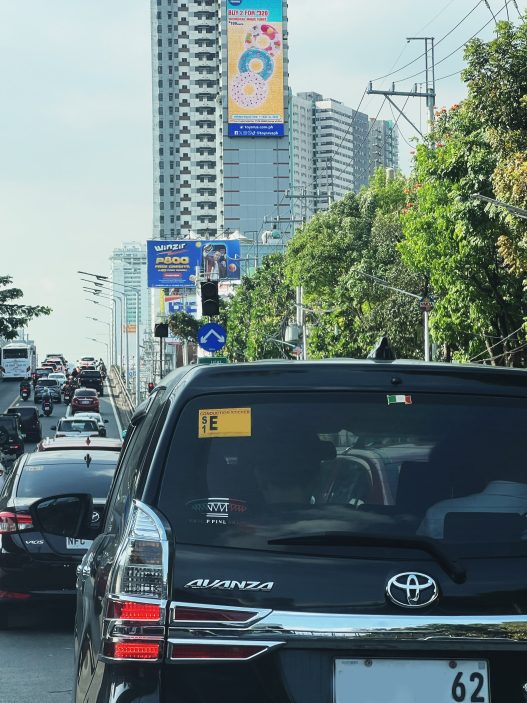
This resulted in a boom for private car ownership. Together with the improved highways in the north and south, people from the provinces that are working in Metro Manila now have an easier time going to their jobs. Again, it’s not their fault. People go where the jobs are. But since there’s no new roads in Metro Manila, the carmageddon started around this time and has continued worsening ever since.
Is the traffic the fault of car brands and banks? No. They know they’re selling band aids. It’s the government that saw it as a structural solution. They let PNR rot, they’re not doing anything to improve the PUV system. The travel time in EDSA kept getting slower and slower.
It was also around this time that a lot of road widening projects occurred in order to solve the traffic caused by the growing number of vehicles. They were done in Quezon Avenue, España, and Marcos Highway among others. Most famous among them is Commonwealth Avenue that now has 18 lanes at its widest (9 each way). Surprise, surprise – more lanes didn’t ease traffic.
Then around 2013, a new form of public transport entered the Philippines. Grab and Uber entered the country as the first digital ride-hailing services. Filipinos no longer have to give in to the high prices of taxi drivers at late hours of the night, the “kontrata” system, nor do they have to sit and pray that the driver was not prolonging the journey to incur a higher fare. Actually, the fact that Grab and Uber have clean cars is already a welcome improvement over local taxis. But they also provided assurance that you’re getting to your destination in the fastest and most comfortable way possible.
As traffic worsened even in the business districts, Filipinos once again got creative. Similar to the advent of taxis, people first created their own motorcycle taxi network or “habal system.” The name is based on motorcycles in provinces that take a lot of passengers – more than the manufacturer recommendation – and go through roads that are not passable by cars. These modern habals are on the outskirts of business districts and would take passengers to their destination for a set fee.
Later on, this was digitalized by the first digital motorcycle taxi app in the country – aptly named Angkas. Despite its popularity, it is still not formally legitimized and only operates through LTFRB’s “pilot study” that started in 2019. The same goes for other motorcycle taxis like Joyride and Move It.
The popularity of motorcycle taxis also reflect the number of people that now use motorcycles as their daily ride instead of a car. Just in 2024, the members of Motorcycle Development Program Participants Association have reported that 1,682,482 new motorcycles were sold in the country. Compare that to the 1,577,597 of 2023, and 1,564,827 in 2022 and it truly was a significant jump. Yet, that number is still incomplete. The members of this consortium are few – Honda, Kawasaki, Suzuki, Yamaha, and TVS Philippines. That means the number is still low as there are more brands not included but also popular like Kymco, Rusi, CFMoto, and the premium ones.
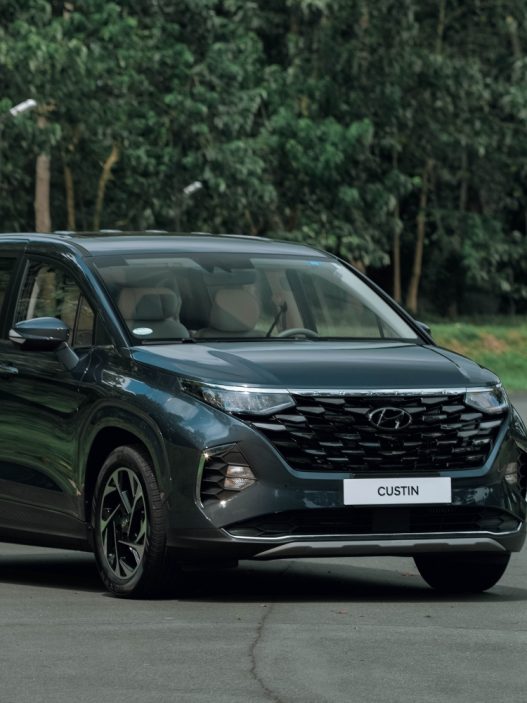
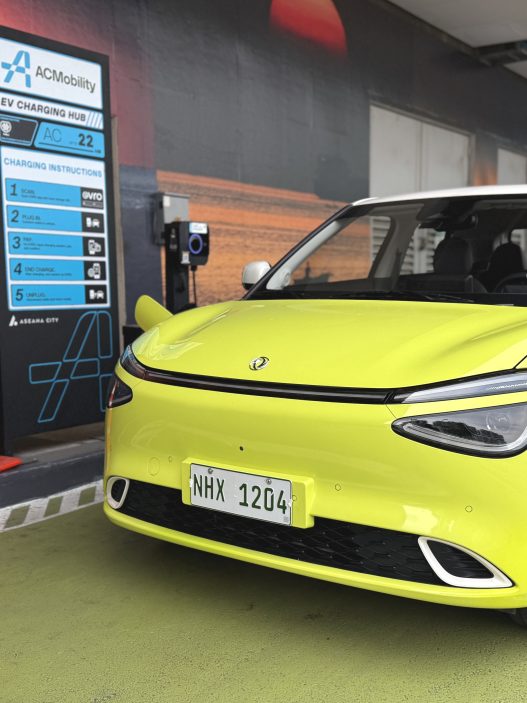
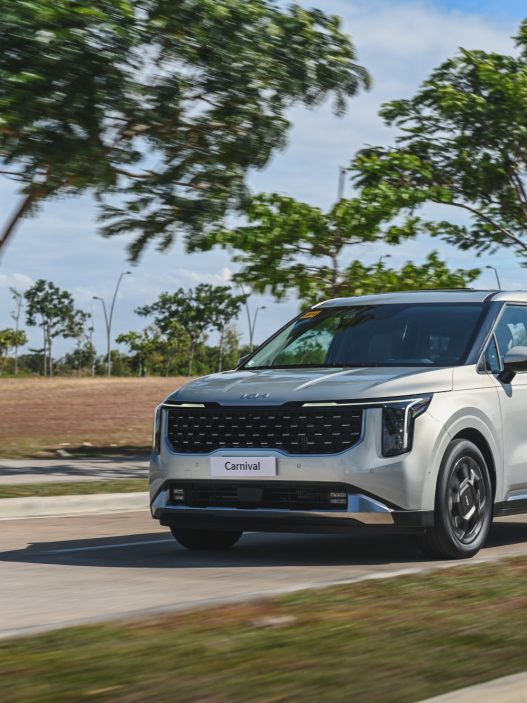
The car industry also went through a significant change post pandemic. New brands from China entered the country and many of them have electrified offerings. Filipinos were introduced to New Energy Vehicles or NEVs that consist of hybrid, plug-in hybrid, and fully-electric vehicles. Charging networks have also started being developed by various companies. ACMobility is doing a nationwide network of chargers, while others are partnering with private establishments to have charging slots in their parking lots. SM Malls, for their part, have put up free chargers in their malls and they continue to be free today.
Latest in electrified mobility is the inclusion of taxis. Grab and Vinfast have rolled out their fully-electric taxi network recently. Other private owners have already started as well from what I’ve seen on the roads.
We’re lucky that President Marcos suspended the implementation of EDSA rehabilitation this year. But we all know that they would have to push through with that at a later date. The Metro Manila Subway Project and the MRT-7 line that goes to Bulacan are both having right of way issues that affect their completion. The same goes for the Makati-Intra City Subway because aside from right of way, they have issues with Taguig over some areas. It’s for these reasons that I’m not optimistic in the years to come. They say it’s the darkest before dawn, but no one says how long that darkness lasts.