







Ube pandesal, Dalgona coffee, QR code menus, Tiktok, sushi bake – these are some of the trends that sprung up during the pandemic lockdowns. One thing was very lasting though as literally everyone saw the disappearance of smog in the city with the lack of emissions on the streets. I’m talking about electrification.
Unlike your workmate’s YouTube account, electrification gained momentum and kept on going. Brands started bringing in battery-electric cars, then hybrids, and of course the construction of charging stations began. SUVs, sedans, crossovers, small hatchbacks, even mini hatchbacks started arriving in the Philippines. The price point was high in the beginning, but they definitely got lower over time with a number of options now under 1-million pesos.
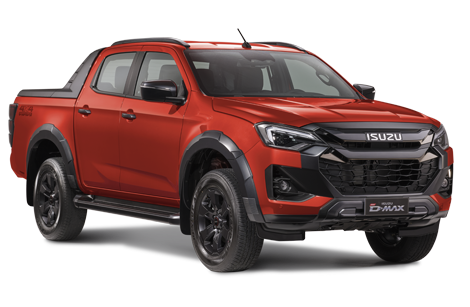
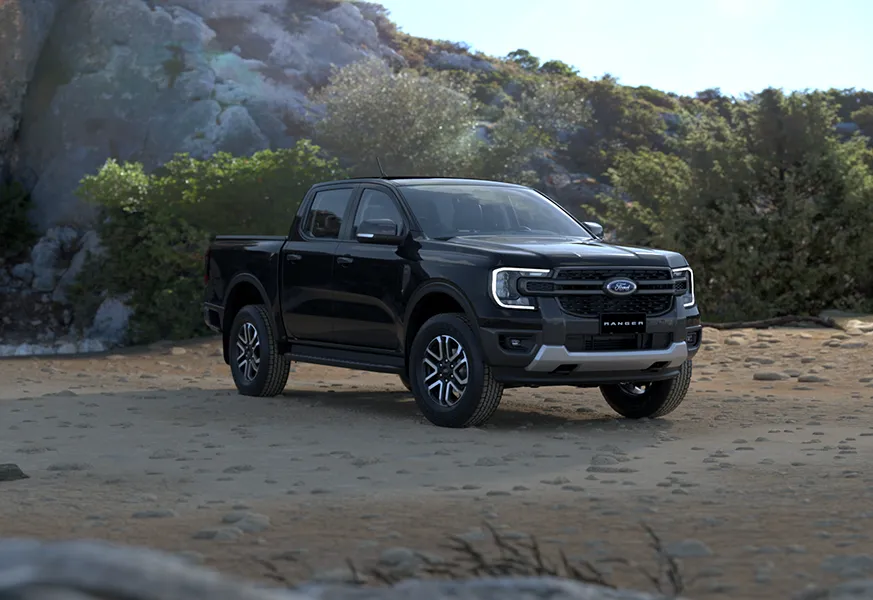
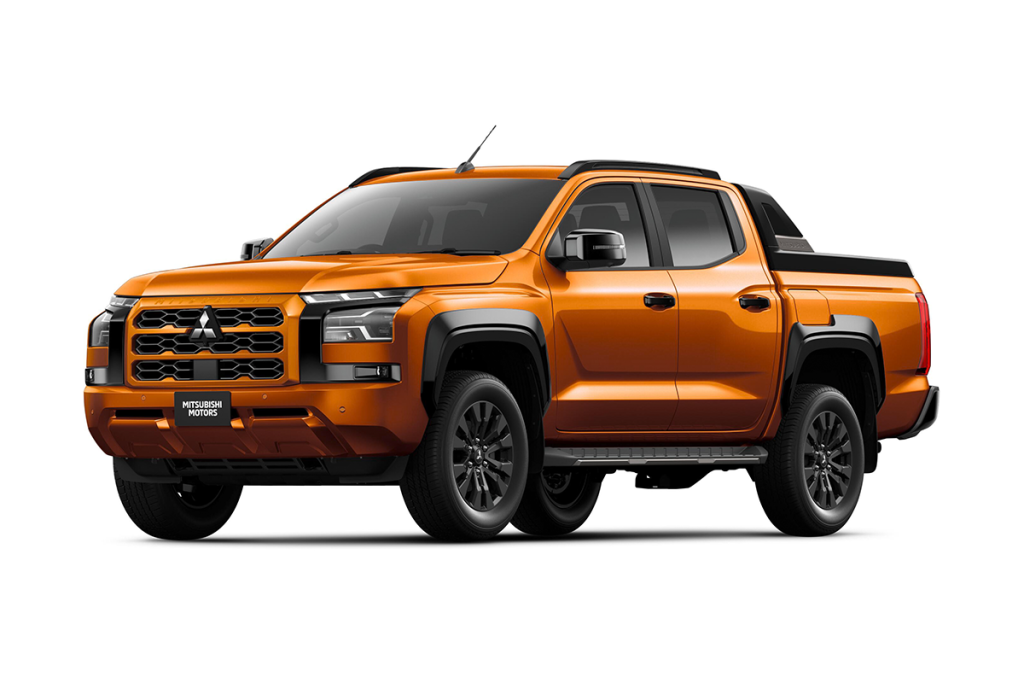
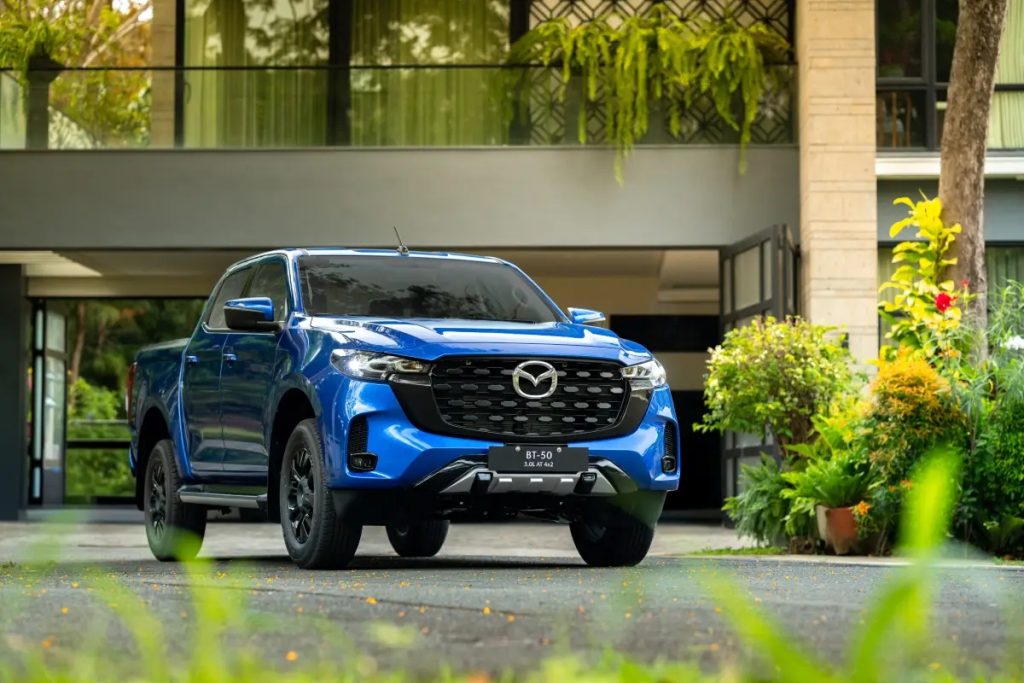
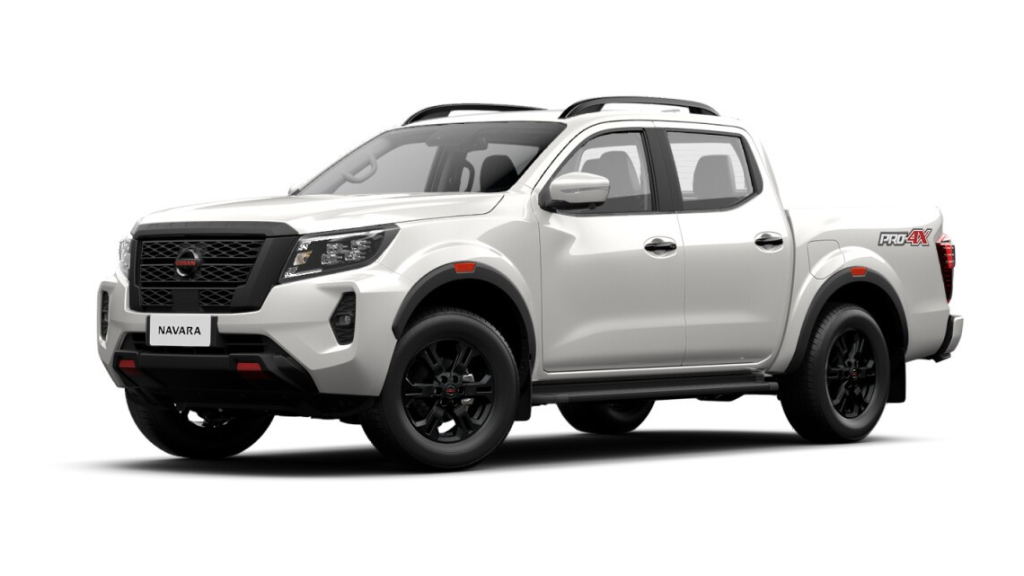
The only category missing in the mix is the pickup segment. Of the big boys in the pickup game like the Isuzu D-Max, Mitsubishi Triton, Toyota Hilux, Nissan Navara, Mazda BT-50, and Ford Ranger – three are electrified somewhere else in the world although only the Ford Ranger is the real hybrid with its PHEV version. The Hilux and D-Max both have mild-hybrid systems only. If you want real efficiency and true reduction in emissions, a real hybrid, plug-in hybrid, or battery-electric system is the way to go.
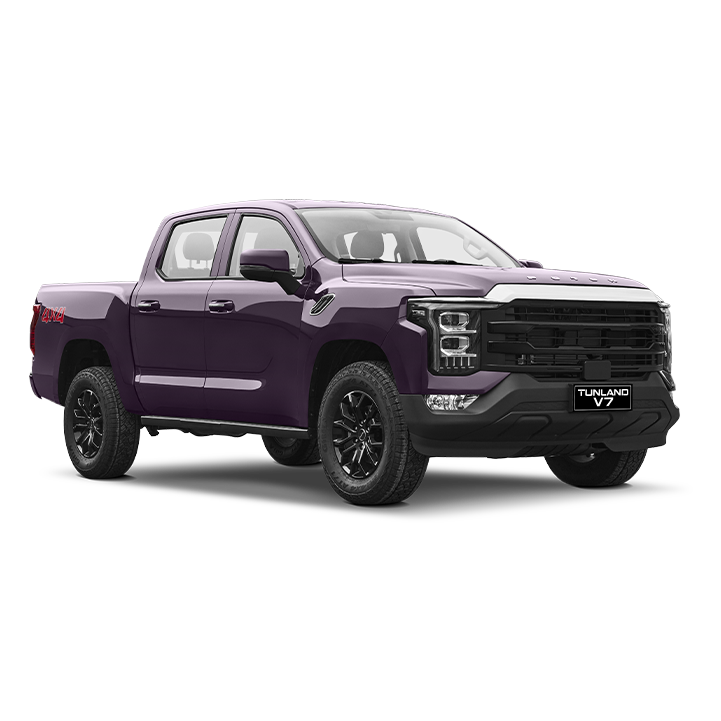
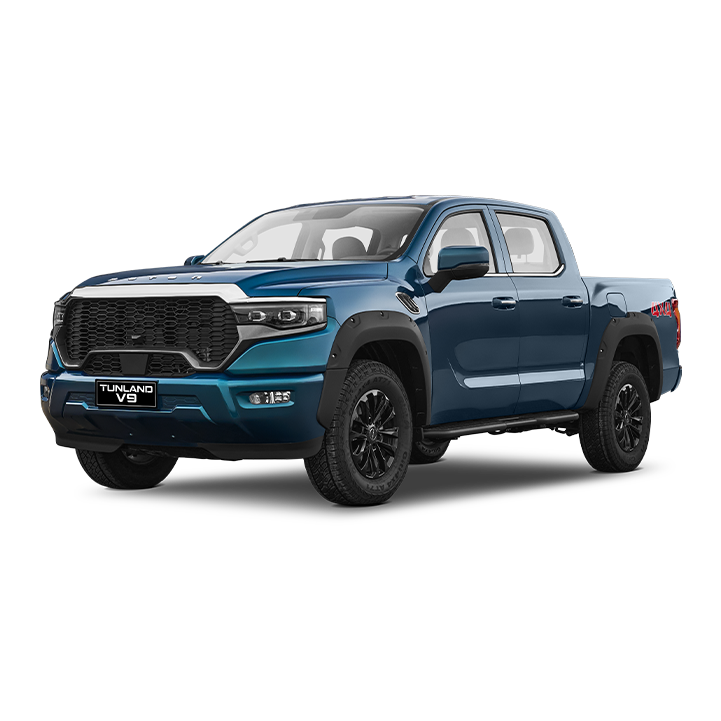
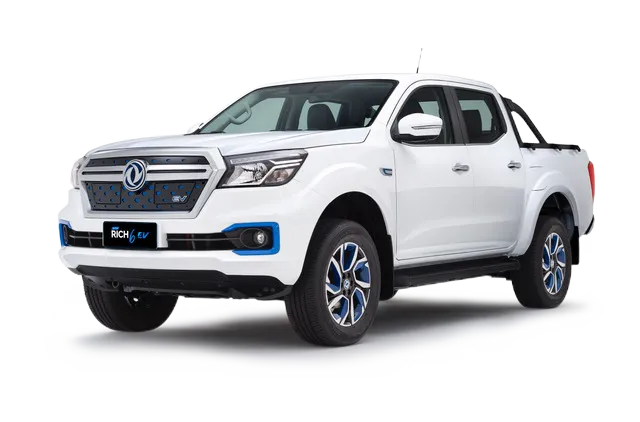
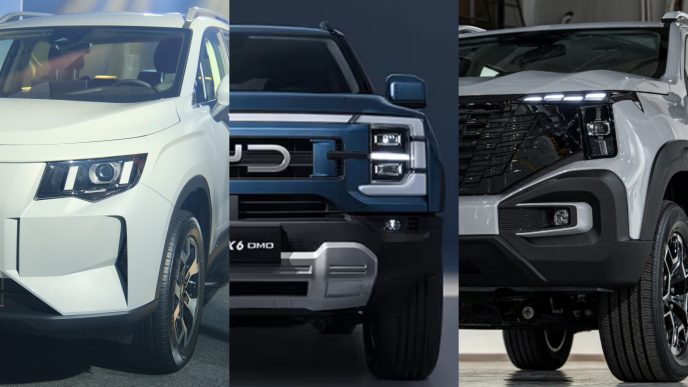
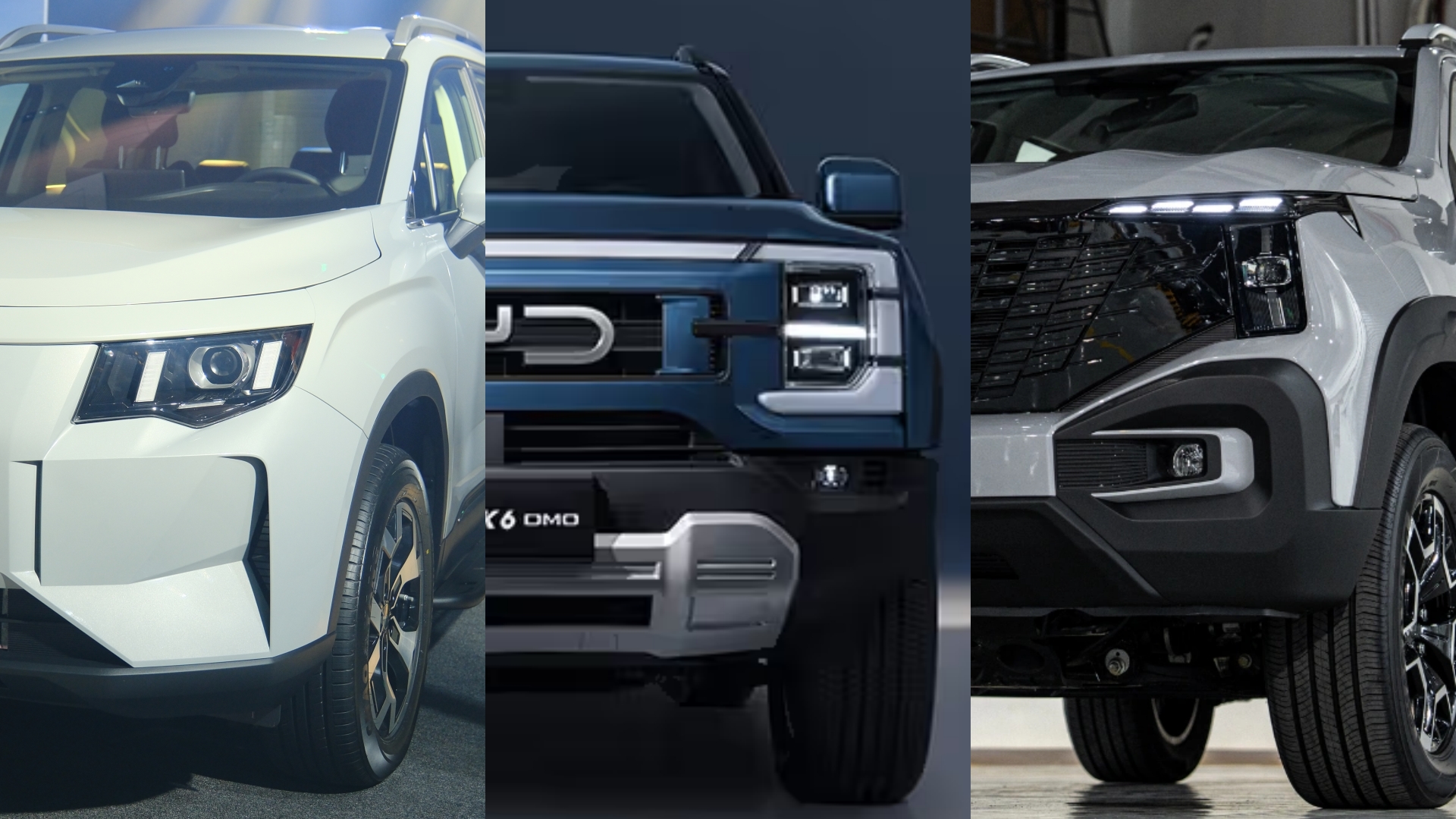
Some have already tried pushing pickups to the next generation of mobility locally. Foton brought in the Tunland V7 and V9 in mild-hybrid versions just to start the ball rolling. Dongfeng did their share with the Rich 6 EV that’s available in a 450km or 350km model. Then BYD stirred things up with the introduction of the Shark 6 PHEV, the first full-hybrid pickup in the market. The only problem though is the steep pricing as most of them are above the 2-million price point.

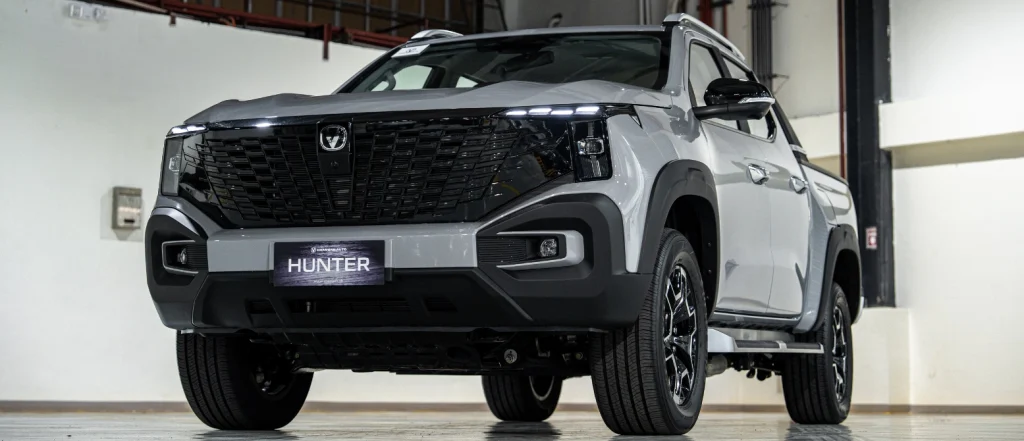
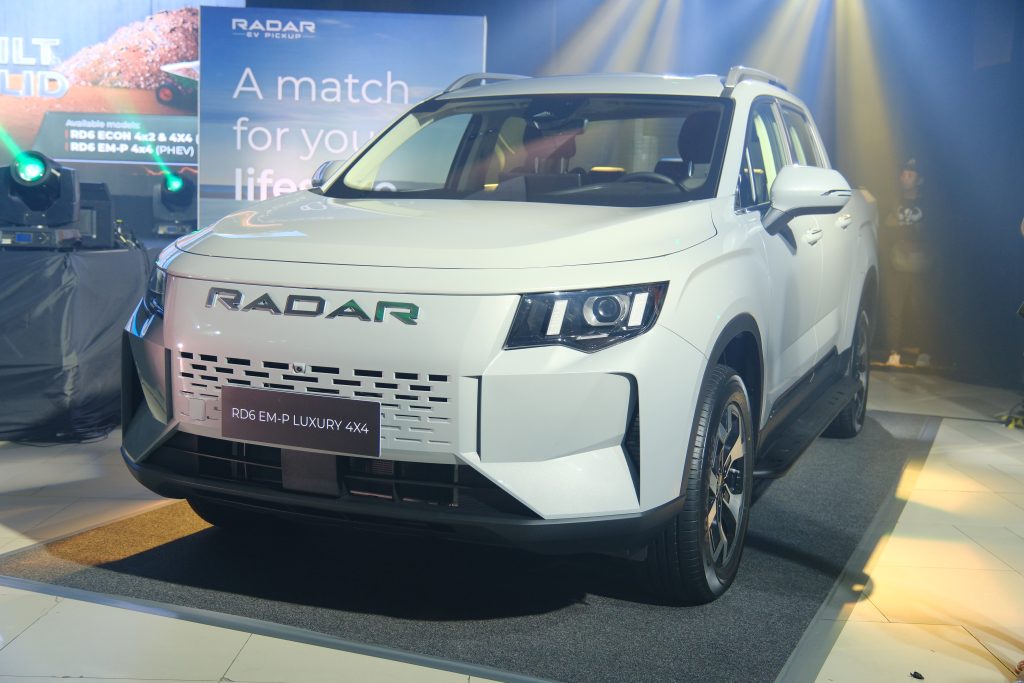
Changan quietly brought in the Hunter that starts at around PHP 1.699M. Things got more attainable just last week with the introduction of Radar RD6 where the RD6 EV starts at PHP 1.398M while the RD6 PHEV is more premium at PHP 1.698M with a 4×4 drivetrain already. Now we don’t have to wait for the Japanese and American brands to make their move in the electrification scene locally. True hybrid and EV pickups are officially in the Philippines.
New body, anyone?
The Radar interests me as it differs not only in powertrain, but construction as well. All the other pickups in the country follow the traditional body attached to a ladder frame. The Radar differentiates itself by following what cars do – unibody construction, promising a better ride comfort than your typical pickup truck.
Pickups aren’t caged to traditional chores anymore. They’ve gone from farm to Tiktok but even if not, their payload capabilities aren’t being maxed out. An owner that likes to do his own home renovations might haul a lot of big things, but it will not go nowhere near the weight limit of the pickup. Highway legal bikes aren’t even half of the usual 1,000 kilo payload capacity of pickups in the market today. More so if we talk about the lifestyle segment where they just carry tents and some additional appliances for overlanding. It’s these instances I’ve seen on the road where I realize maybe we don’t need the stiff construction anymore, we just need the space.
We don’t even have to look far to think of a unibody pickup. We had the Nissan Ad Resort in the country during the 90s. If you think it’s globally obsolete post-millenium, North America has the Honda Ridgeline that’s been in production since 2006. More recently, the Ford Maverick and Hyundai Santa Cruz were both launched in 2021, with the Maverick also having a hybrid version.
If the Radar RD6 is truly more comfortable than the status quo, it would certainly change our perception of what a pickup truck can be like. Ultimately though, sales figures will determine if it becomes the new trend or just a passing fad.