








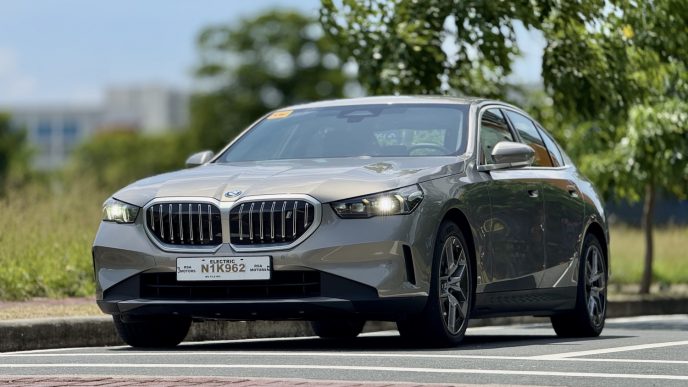
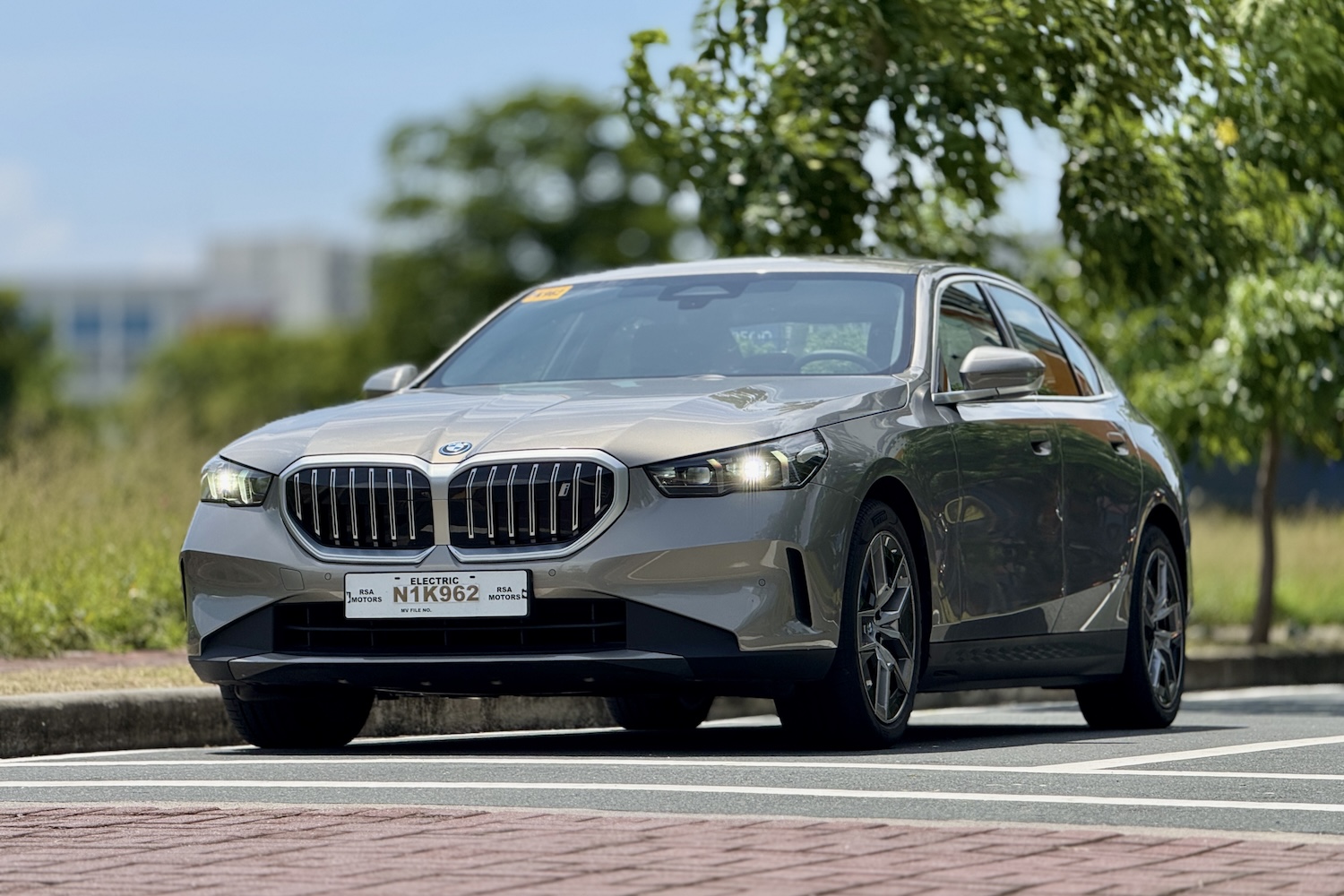
The 5 Series is something BMW shouldn’t mess up with in the German marque’s lineup. it’s the quintessential Bimmer – a default choice for those wealthy enough to buy their own, brand-new German vehicle with the iconic roundel.
That said, electrifying the 5er had us worried for a second…until I get behind the tiller of one and drove one out right out of the basement of BMW Philippines’ HQ.
BMW didn’t mess around with the new i5 eDrive40. It skipped the gimmicks and instead delivered something refreshingly straightforward: an electric 5 Series that feels like a 5 Series. That’s the most important thing to know about this car. It’s calm, confident, comfortable, and more fun to drive than you’d expect for something this heavy and this quiet.
I had the car for several days, and there’s honestly very little to complain about. The i5 doesn’t try to wow you with futuristic weirdness. It just does the executive EV formula right – though at over P5.7 million, you do start to notice the few things it doesn’t have.
Quiet Evolution, Not Revolution
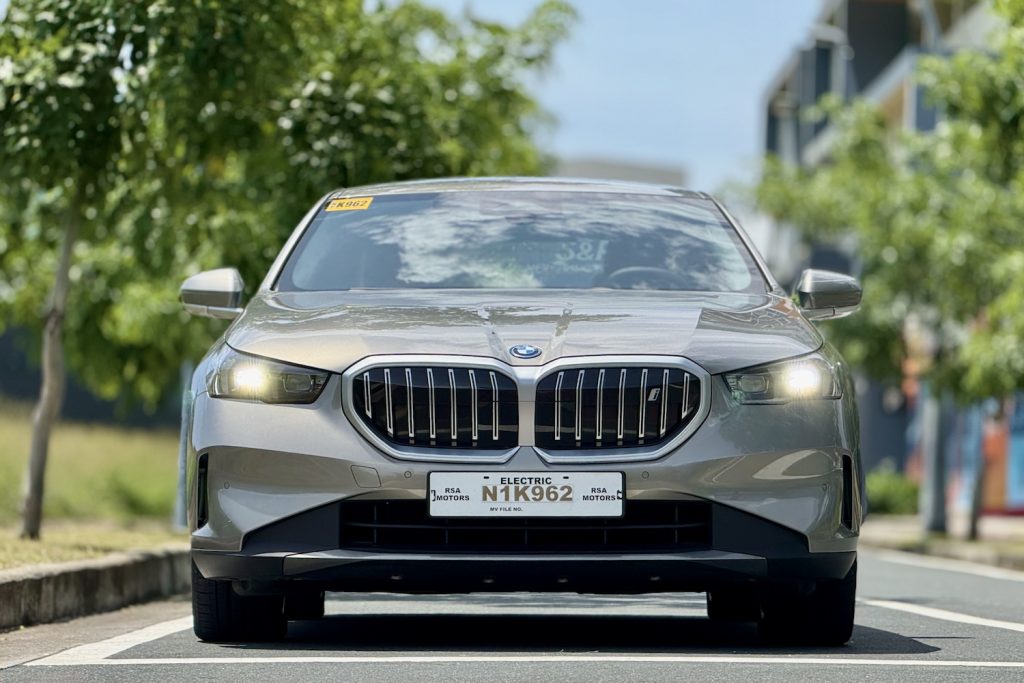
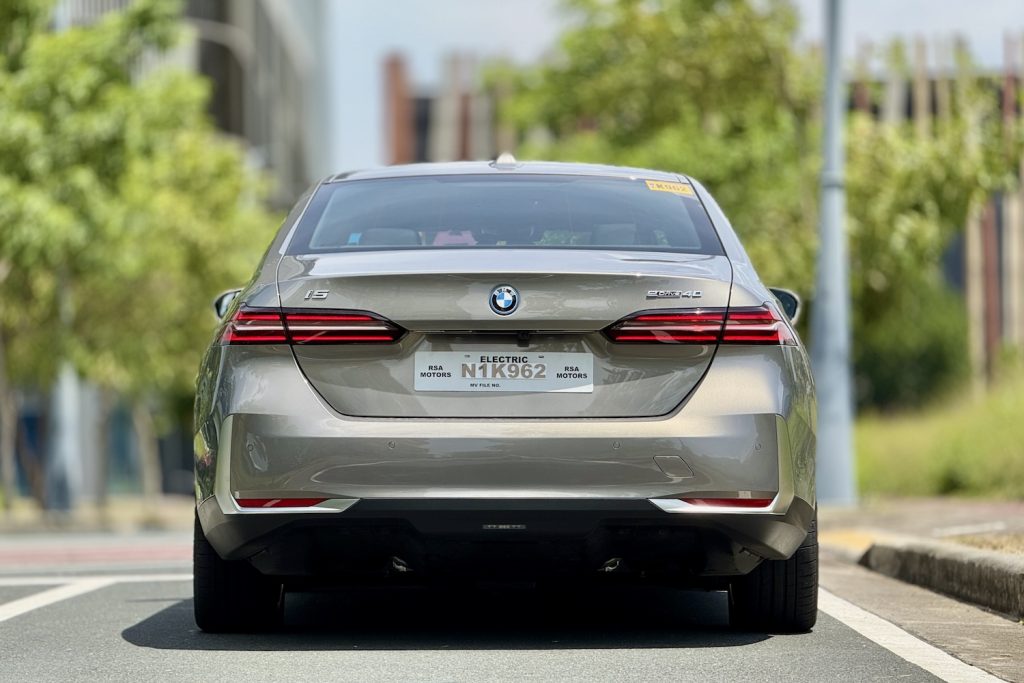
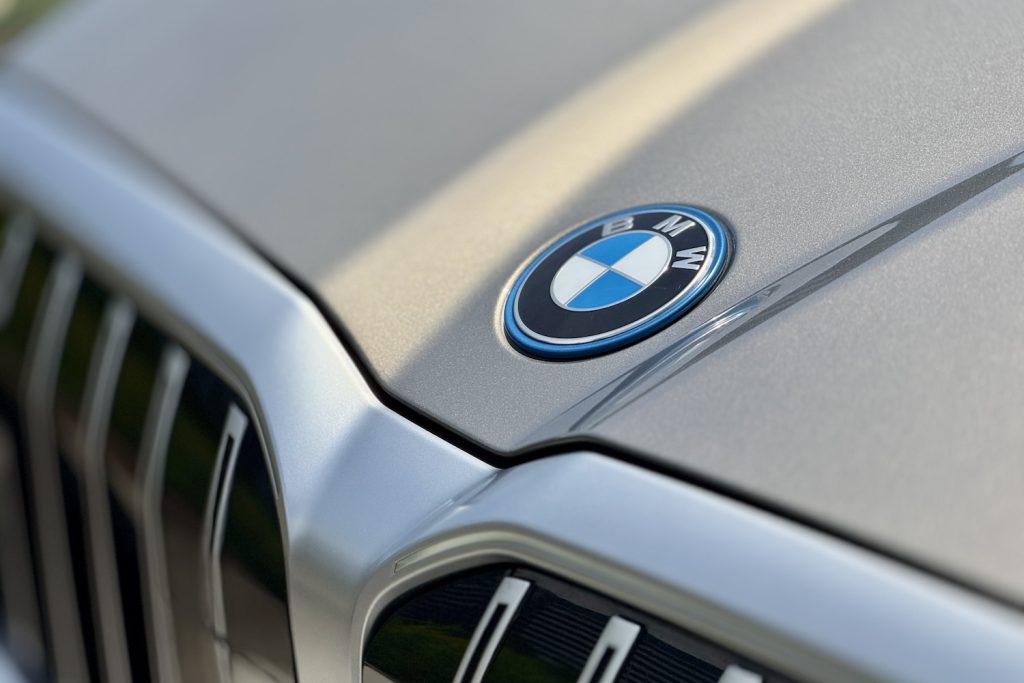
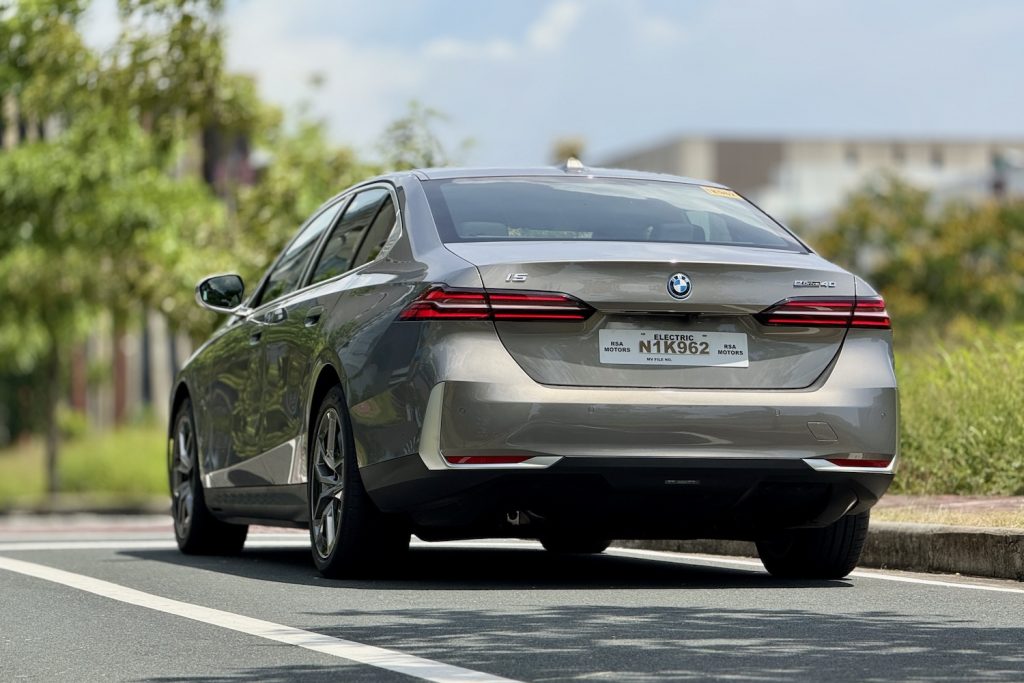
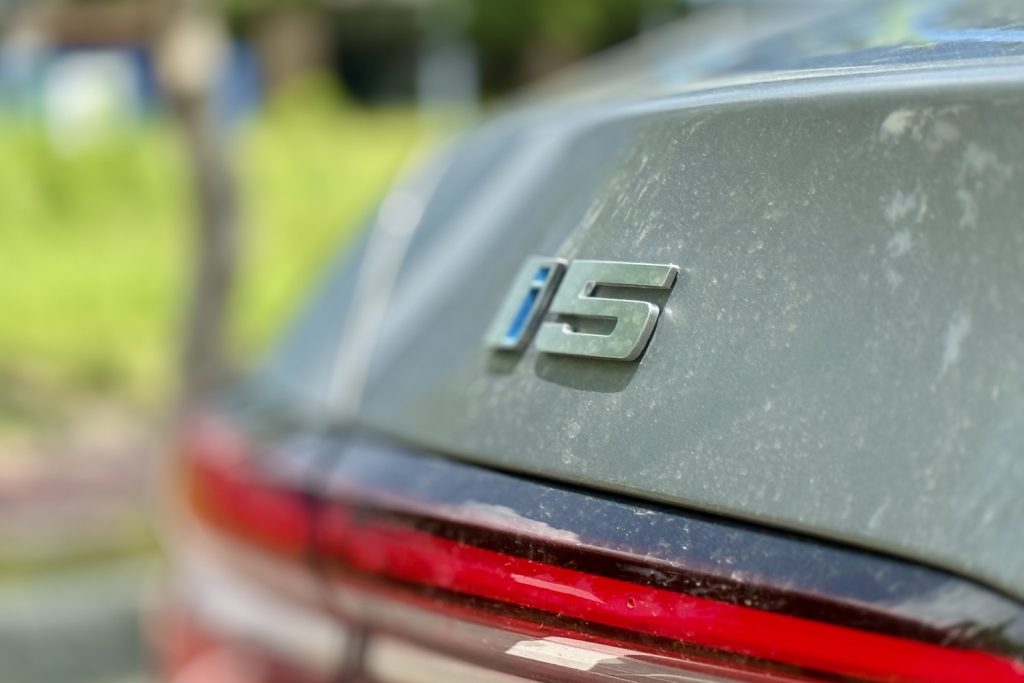
Let’s start with the looks. BMW kept it smart and conservative. The i5 shares the same G60 body as its combustion sibling, with only subtle cues – like the blue trim and the “i” badging – to remind you it runs on electrons. The kidney grilles are large and but tastefully done (a sentence I haven’t been able to write about most modern BMWs), and the proportions are clean and grown-up.
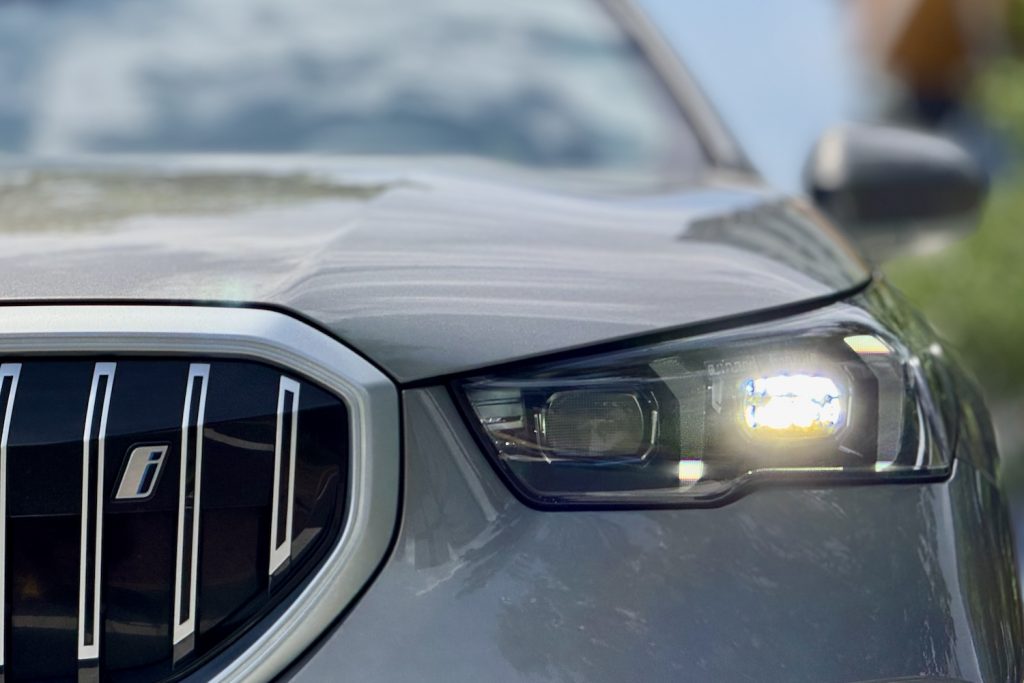
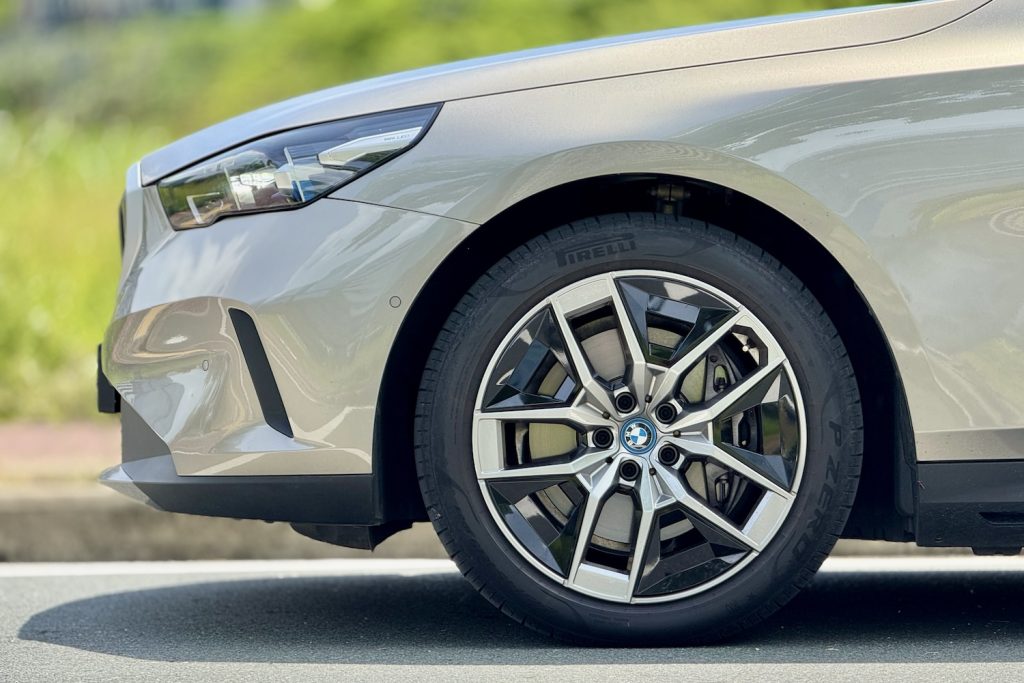
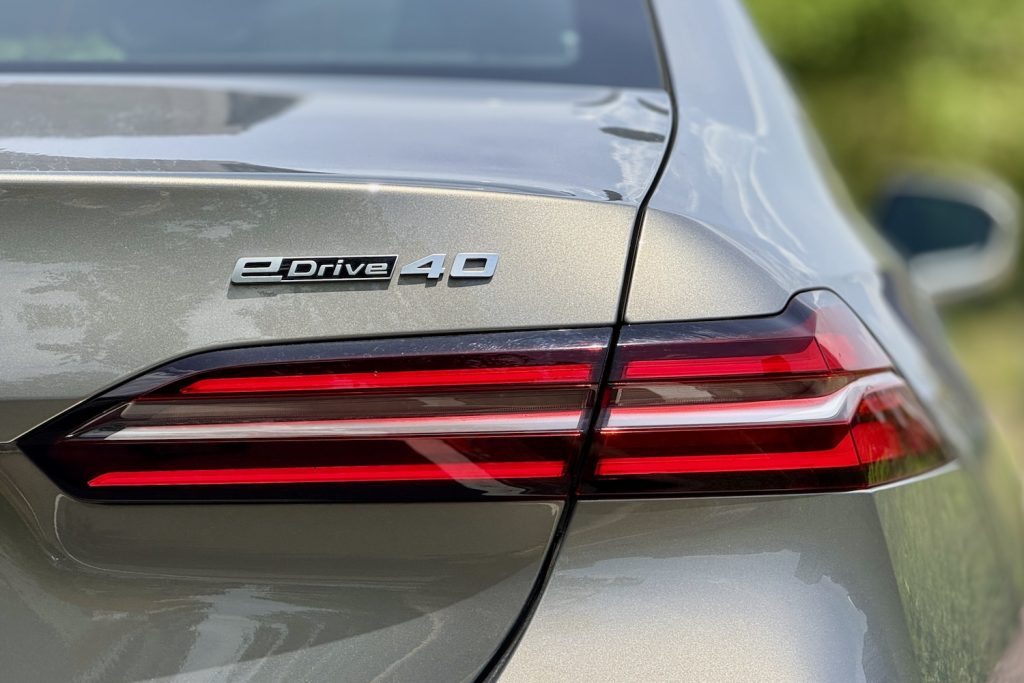
There’s no question it looks like a proper luxury sedan. And while that might not make headlines the way more radical EVs do, it’s part of the i5’s charm. It doesn’t scream for attention – it’s confident enough not to.
Save maybe for that illuminated grille. That alone had heads turning especially at night.
Premium Cabin, Mostly a Hit
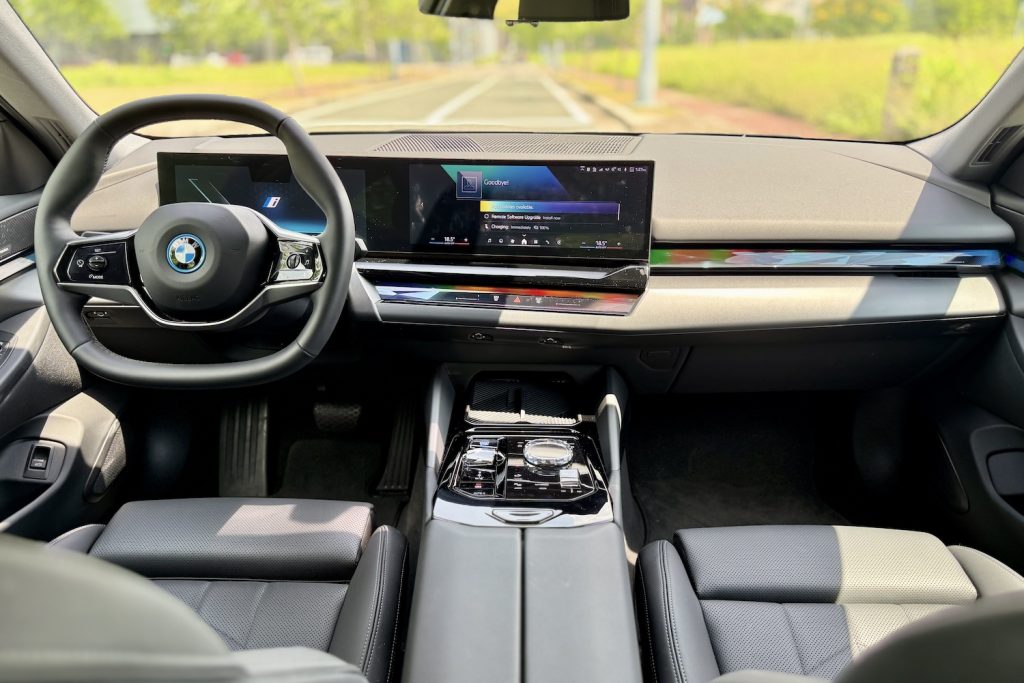
Inside, the i5 delivers a tech-forward but comfortable experience. There’s a massive curved display that houses both the digital cluster and infotainment system, powered by BMW Operating System 8.5. The graphics are slick, the menus are fast, and thankfully, BMW still includes a rotary iDrive controller for those who prefer tactile interaction over touchscreen tapping.
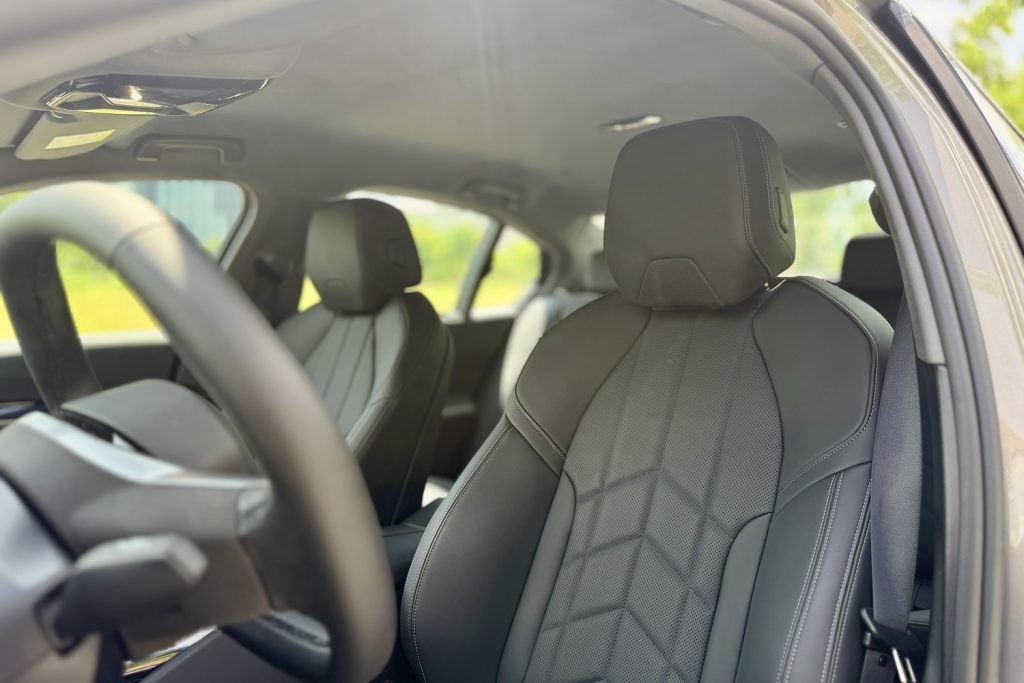
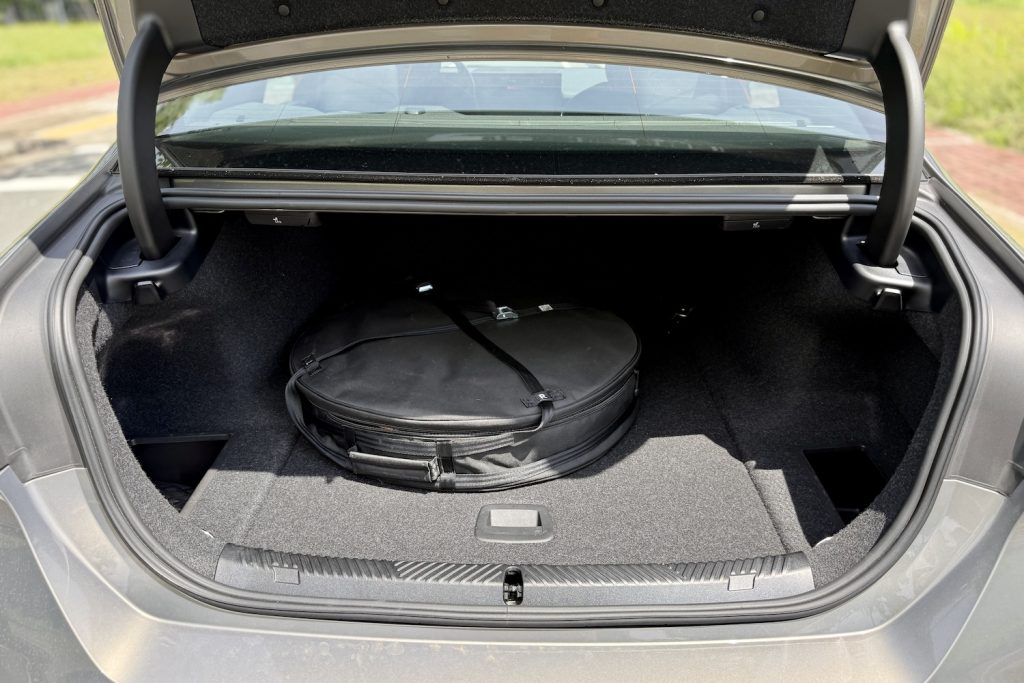
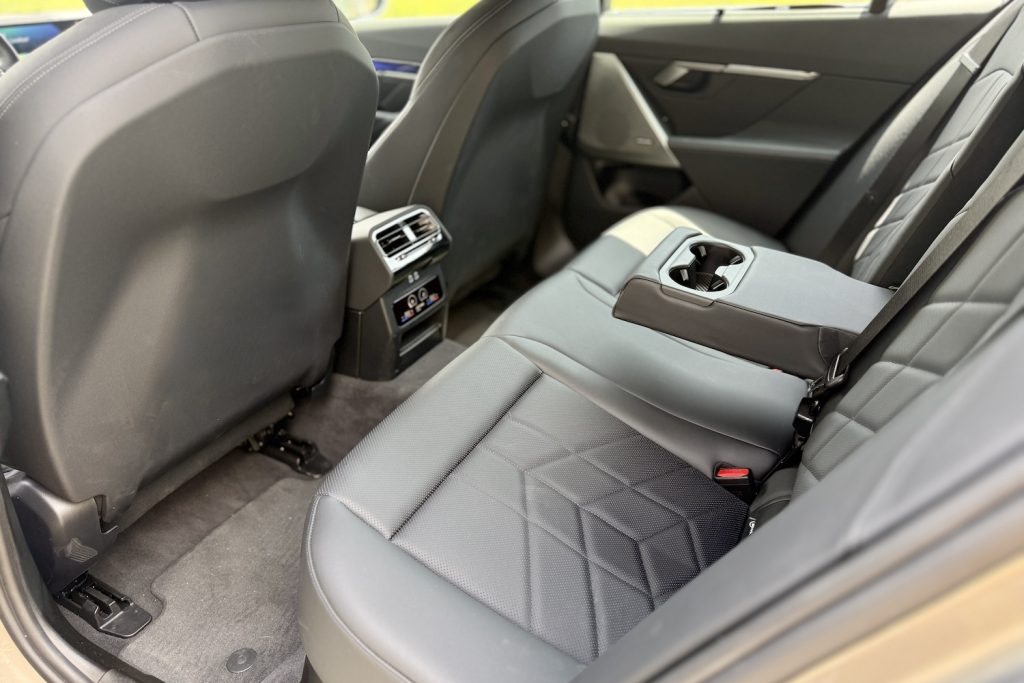
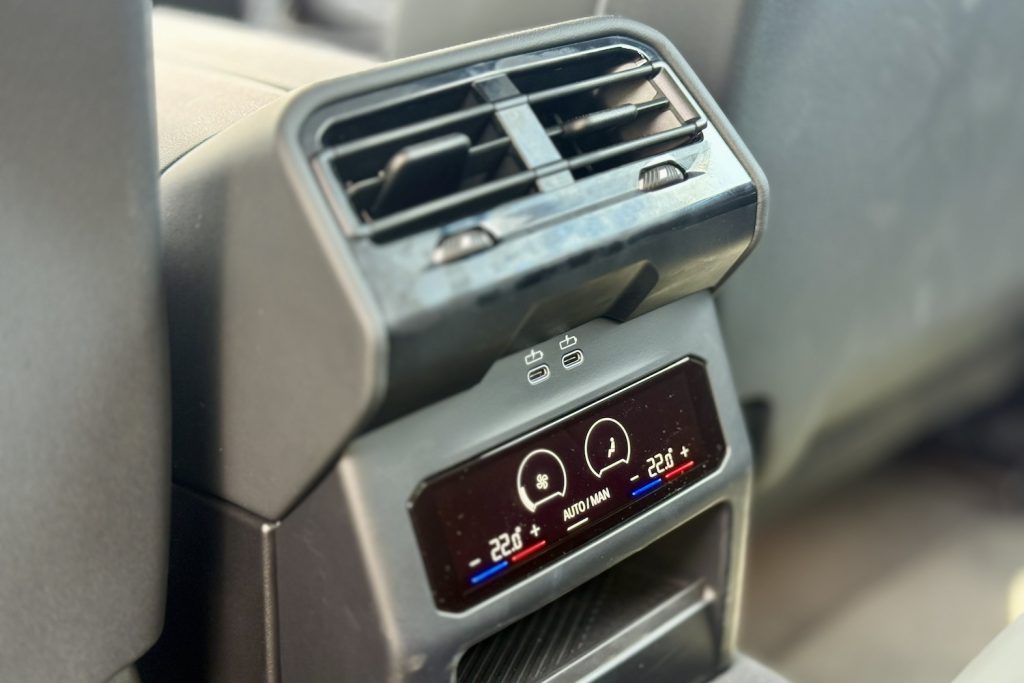
You get four-zone climate control, a Harman Kardon surround sound system that sounds like a dream, electric rear sunshades, and high-grade materials throughout the cabin. It’s a space designed to pamper, and it mostly succeeds. Rear-seat passengers get solid legroom and thoughtful amenities, while the trunk offers 490 liters of usable cargo space – easily accessible despite the presence of a space-saver spare.
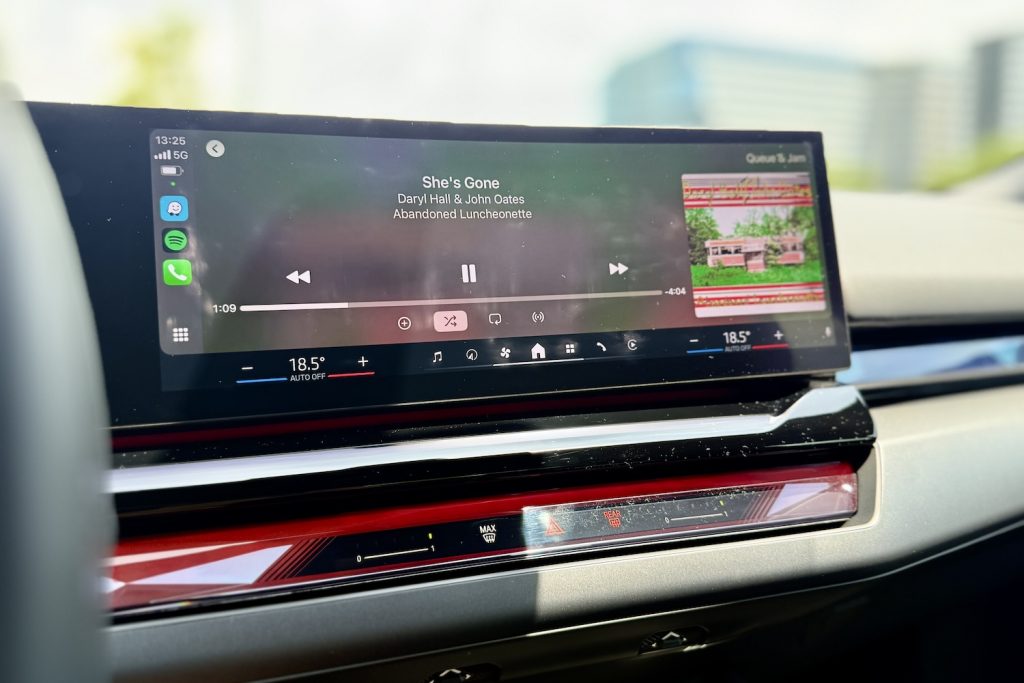
But it’s not all perfect. One feature that didn’t land for me was the Interaction Bar – a slim LED touch interface that runs across the dashboard and controls certain functions like climate and lighting. It looks cool in photos, but in real life, it’s fiddly and a bit distracting. A simple button or toggle would’ve done the job better.
Calm When You Want, Quick When You Need
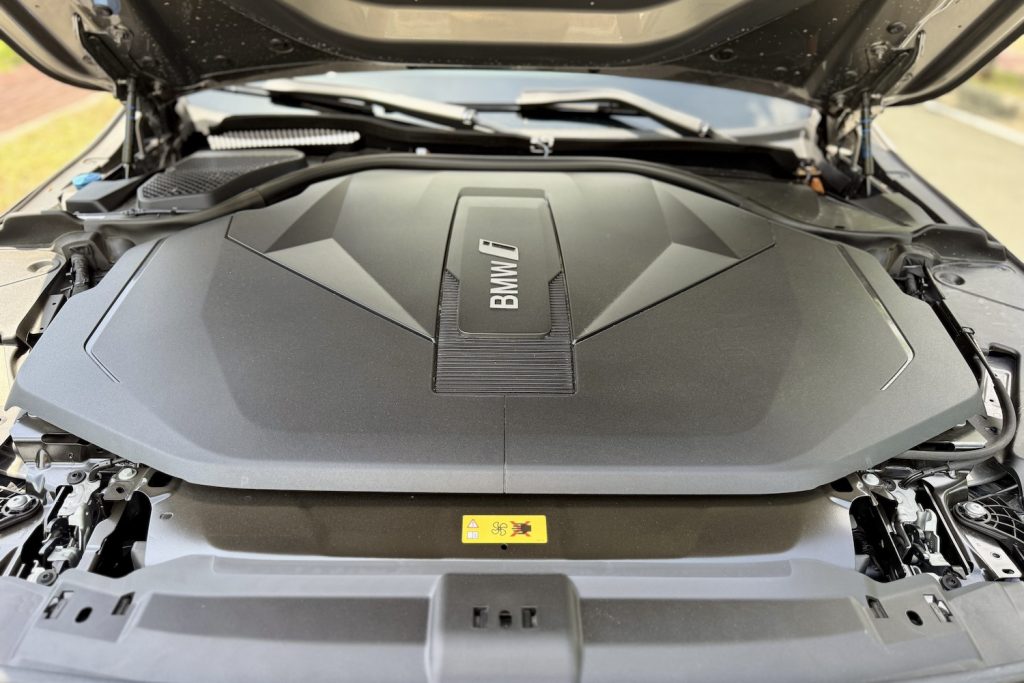
Performance is where the i5 quietly surprises you. It doesn’t feel heavy and burly behind the wheel, even though it tips the scales at over 2.1 tons. That’s thanks in part to the rear-mounted electric motor, which delivers 340 horses and 430 Nm of torque to the rear wheels. The result is a 0-00 km/h time of just 6 seconds flat, which is more than enough pace for this class.
But what really impressed me is how refined the whole driving experience is. Brake feel is natural, with smooth transitions between regenerative and hydraulic braking. The steering is light but precise, which made the 5er feel smaller than it actually is (it’s as long as a Porsche Cayenne).
Ride quality is well-balanced; it’s firm enough to stay composed on fast corners, but soft enough for long-haul comfort. It’s the kind of car you just enjoy driving, whether you’re in traffic or on a winding road – even better when being driven around while seated at the back scrolling through emails.
In Sport mode, the throttle sharpens and the car takes on a noticeably more eager character, but even in Comfort, it delivers a level of poise and control that’s hard to fault. This is easily one of the most refined-driving EVs I’ve tested recently.
Range and Charging: On Paper, Solid
BMW fits the i5 with an 81.2 kWh usable battery, good for up to 582 km of range on the WLTP cycle. I didn’t get the chance to charge it during my time with the car, but that’s a solid number – realistically, expect around 450 km with mixed driving.
DC fast charging tops out at 205 kW, which should get you from 10% to 80% in around 30 minutes. AC charging goes up to 11 kW as standard, so it’s compatible with most home wall boxes and public stations. There’s nothing revolutionary here, but the specs are competitive, and the i5 doesn’t make charging a chore.
One Glaring Miss
For a car that gets so much right, it’s surprising how BMW dropped the ball in one area that matters to this segment: driver assistance.
At a price of P5,790,000, it’s hard to ignore that the i5 lacks adaptive cruise control – a feature that’s now standard on far cheaper cars. There’s no lane centering, hands-free assist, or a 360-degree camera either, which is disappointing considering the car’s otherwise forward-thinking spec. The latter felt like a necessity at this price and size.
The hardware clearly has the potential, but the local configuration doesn’t unlock it. I’m not sure if it’s a cost-cutting move, but it feels like a miss for the team who specced the car for local luxury vehicle buyers.
Although I must say, the adaptive regenerative braking, which adjusts the stopping strength based on the distance from the car in front, kind of works like adaptive cruise control if you choose to. It also does help the electric 5er to regain more precious energy you lost on the freeway.
That said, the core safety and comfort systems are all there: lane departure warning and parking assist. But it’s hard not to expect more from a flagship electric sedan.
Value Depends on Priorities
At nearly P5.8 million, the i5 sits in a tricky space. On one hand, it competes with other premium electric sedans like the Mercedes EQE and Tesla Model S (gray-market), while also being priced quite dearly versus its pure combustion counterpart.
But the i5 has something its rivals don’t: it feels more like a polished evolution than a clean-sheet EV experiment. BMW went beyond reinventing how people use cars – it just made one that happens to be electric. And for a lot of buyers, that familiarity is worth something. Add to that BMW’s dealer support, service network, and brand equity, and the case for the i5 becomes a bit clearer.
There are a few flaws, but if you can live with them, the rest of the package is easy to love. It’s a car that respects your time, doesn’t make you think too hard, and just works. And in today’s EV landscape, that kind of simplicity is becoming a luxury in itself.