







Each day, more than 430,000 vehicles pass through the main artery of Metro Manila that is EDSA – representing almost double its 250,000 carrying capacity. The obvious congestion has been a bane of motorists for a long time now – evidenced in the constant lamentations of commuters and motorists. Government has tried its best to address our woes via policies. For decades now, we have been used to several iterations of the Unified Vehicular Volume Reduction Program (UVVRP). More commonly known as the “coding scheme” or “number coding,” this program, first rolled out back in 1995, has sought to mitigate the massive congestion in the metropolis by effectively barring vehicles of two select numerical endings each day of the work week.
This brings us to the question: Is it then wise to get another car to beat number coding? If you have the wherewithal, sure and why not? But what if your budget can’t accommodate having to pay for an extra vehicle – or you don’t have the garage space for one? Is there an easy way?
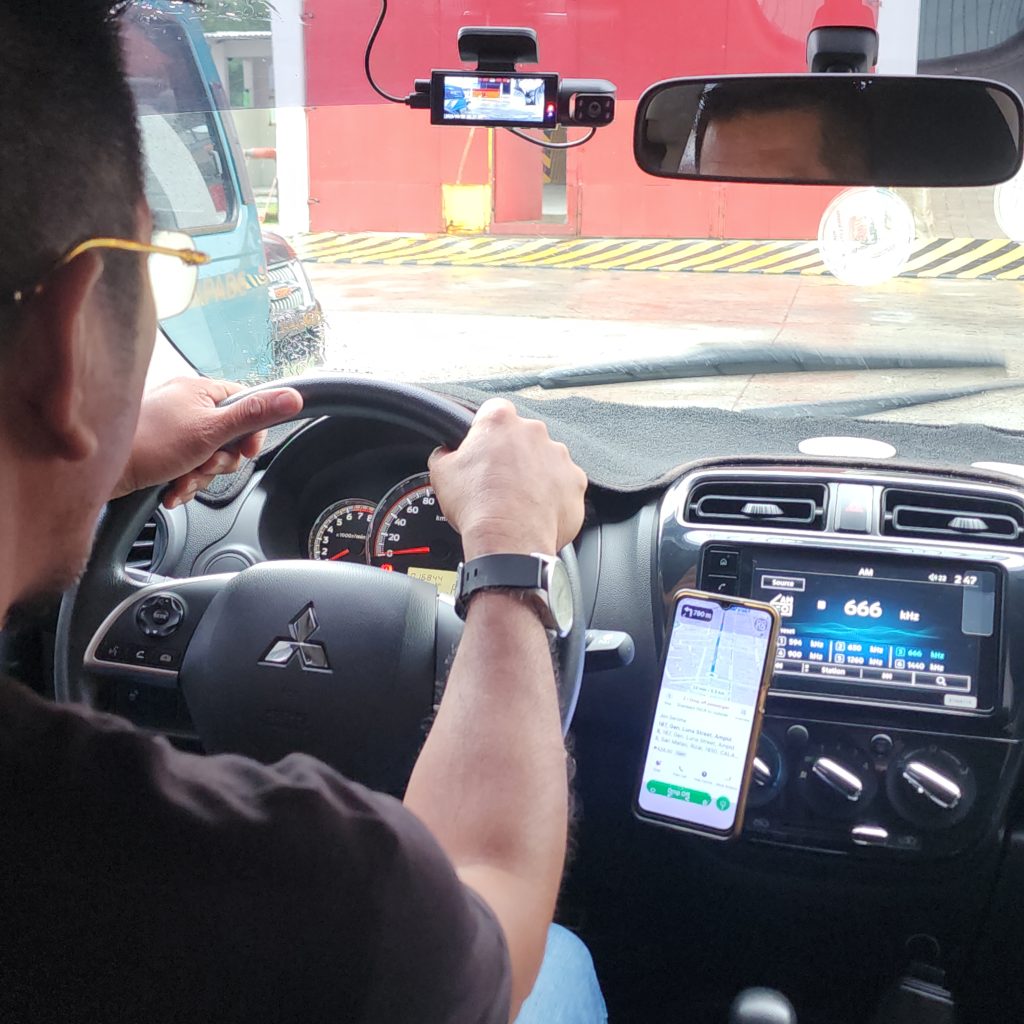
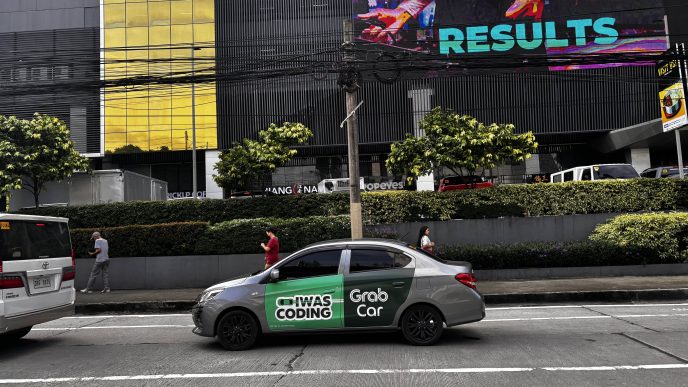
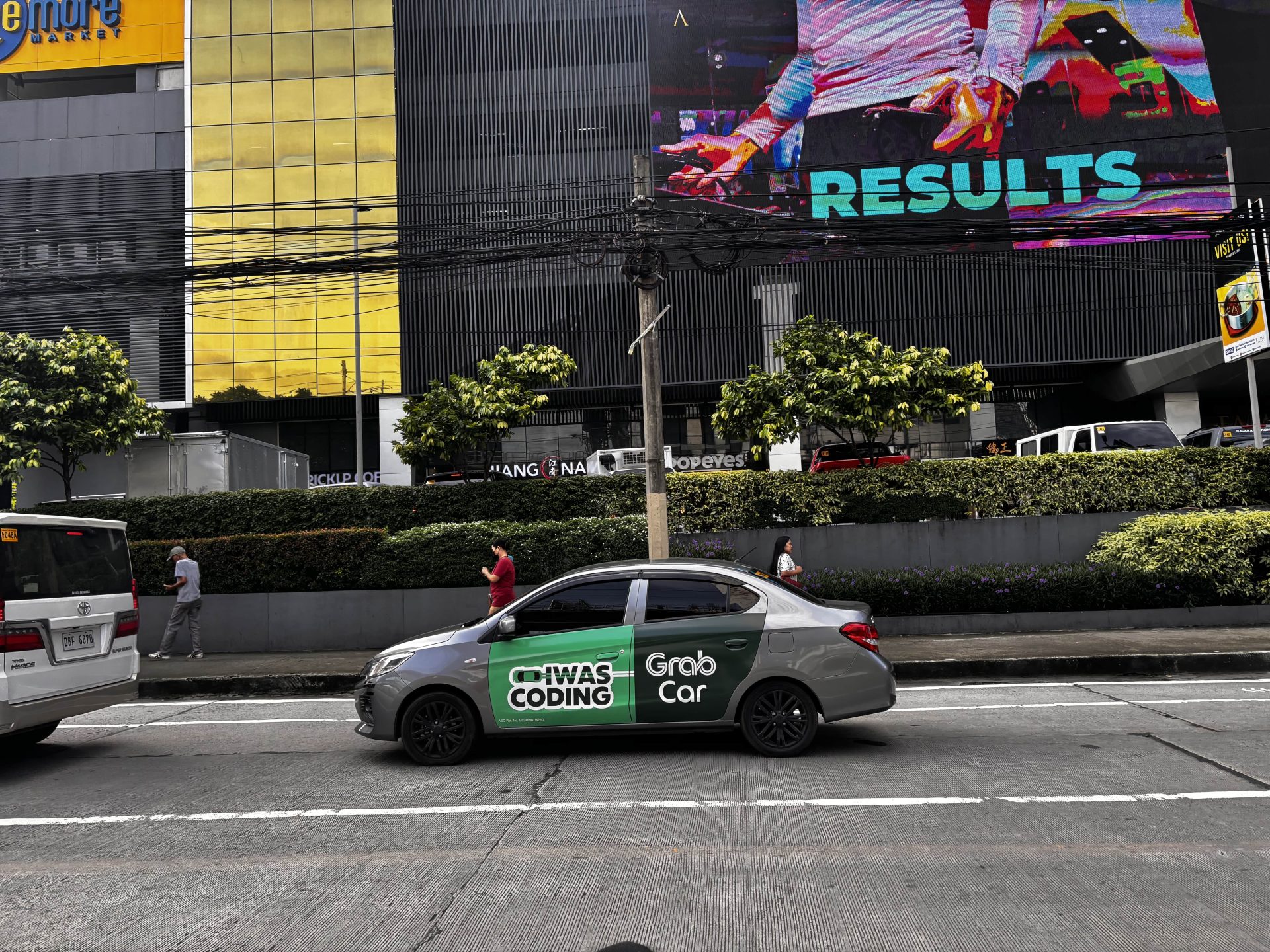
Of course. You need to only remember four letters: TNVS. That’s Transportation Network Vehicle Service, or public utility vehicles operating through a smartphone application to offer ride-hailing services. At present, the Southeast Asia-wide “super app” Grab is the popular choice of Filipinos looking for a reliable, comfortable, and safe transport service.
As a long-time motoring journalist, I’ve had the privilege of testing a number of vehicles – some of which are exempt from coding because of the electrified nature of their powertrains. But there admittedly have been days when I was, for one reason or another, not able to change my personal cars (I have two, not 40), to skirt the UVVRP.
That’s when the Grab app really comes in handy. Why fuss over thinking about coding when I could book a ride quickly, and not have to stress over driving in gridlock as well? Then there’s that added convenience of not having to worry about parking. I can’t even count the number of times I arrived early to an event, but wasn’t able to park or had a long time looking for parking that was safe. The added value of booking a Grab is not just your own peace of mind, but of your loved ones’ as well. You can share vehicle information and real-time tracking with anyone.
But, hands down, one of my favorite features of Grab is when I have to go (and from) the airport. Advance Booking comes to the rescue. I can choose to book just before leaving our place or, even better, reserve a vehicle way ahead of my trip. Users can book a ride anytime between 90 days to an hour and 15 minutes prior to the pickup time (currently available for bookings with pick-up/drop-off points in select Metro Manila areas).
You can view your ride information readily on the Activity page, under the Upcoming tab. The Grab app will then send you updates to confirm, notifying you when a driver has been found, and then thoughtfully remind you 12 hours and then one hour before your scheduled ride. If you’re looking for added convenience and reliability, then Grab ticks those boxes most nicely.
Recently, Grab Philippines introduced its GrabTaxi Electric fleet, said to be the country’s first fully electric, on-demand taxi service – one that is also officially recognized by the Land Transportation Franchising and Regulatory Board (LTFRB). Launched in partnership with EV Taxi Corporation, GrabTaxi has been deployed in “key Metro Manila hubs including Makati, Taguig, Pasig, Mandaluyong, Paranaque, and Pasay.”
This is significant because it sends a strong message reflecting Grab Philippines’ commitment to sustainability. In a release, Grab Philippines Country Head Ronald Roda said as much, “This is not just about offering another ride option. It’s about fundamentally changing the DNA of urban transport in the Philippines – one that aligns with our sustainability commitments, empowers Filipino commuters, and creates meaningful green livelihoods. Sustainability cannot be a distant ideal; it must be something you can book, ride, and feel today.”
The electric vehicle (EV) rollout follows Grab’s June 2024 pilot study with BYD Philippines, which “demonstrated the operational and financial viability of electric vehicles for both fleet operators and driver-partners.” Grab said that the findings affirmed a “key insight,” that “electrification is not just an environmental imperative; it is also a cost-effective and scalable model for urban mobility.”
And as someone who has tried on electrified cars for size, having a full-electric fleet should hopefully be self-propagating way to promote the increased use of BEVs or battery electric vehicles. I’m hoping that passengers will see the virtues of the powertrain with regard to comfort, torque on demand – all while getting to delight in a lower carbon footprint. Currently in beta form, GrabTaxi Electric booking can be found within the Transport tab of the Grab app, alongside traditional Grab mobility services. “Feedback from passengers and drivers during this phase will shape the future design, expansion, and service model of the offering,” said Grab Philippines.
So, is it necessary to get that second car to get around the tricky business of coding? With Grab’s myriad of solutions, I’d say not really. There’s a much easier way for every transportation need – and you can even get to try out EVs while you’re at it.