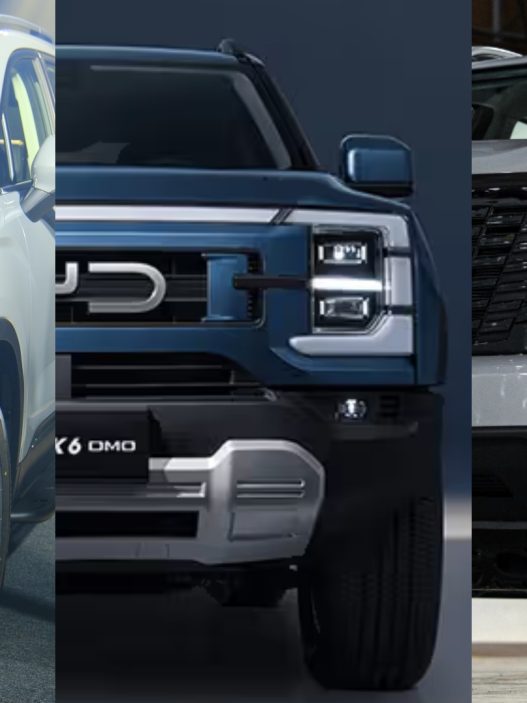






It’s not an exaggeration to say that BYD hastened the acceptance of hybrid cars in the country. Their Sealion 6 was a breakthrough in efficiency and price that the brand proclaimed it as the top hybrid in the market. It was followed by the Seal 5 DM-i sedan, and a smaller Sealion 5 crossover. There’s also the Shark 6 DM-O pickup that gives V8 level of power at a fraction of the cost.
The all-new Tang DM-i joins this list of commendable hybrids. BYD positions it as the new premiere hybrid in its lineup. Does it really have much more over its marginally smaller DM-i brothers? I was lucky to have driven it even before the launch and here’s what I think about it.
A new face

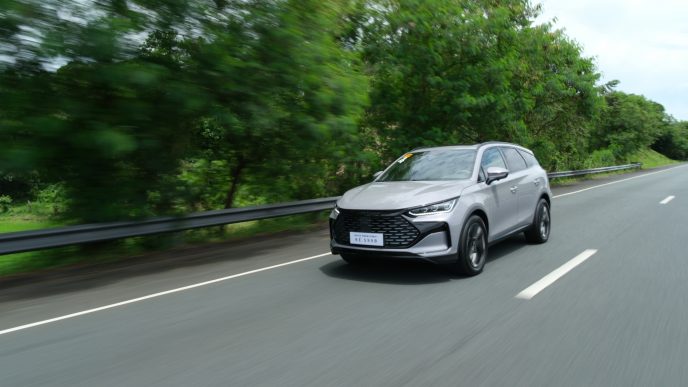
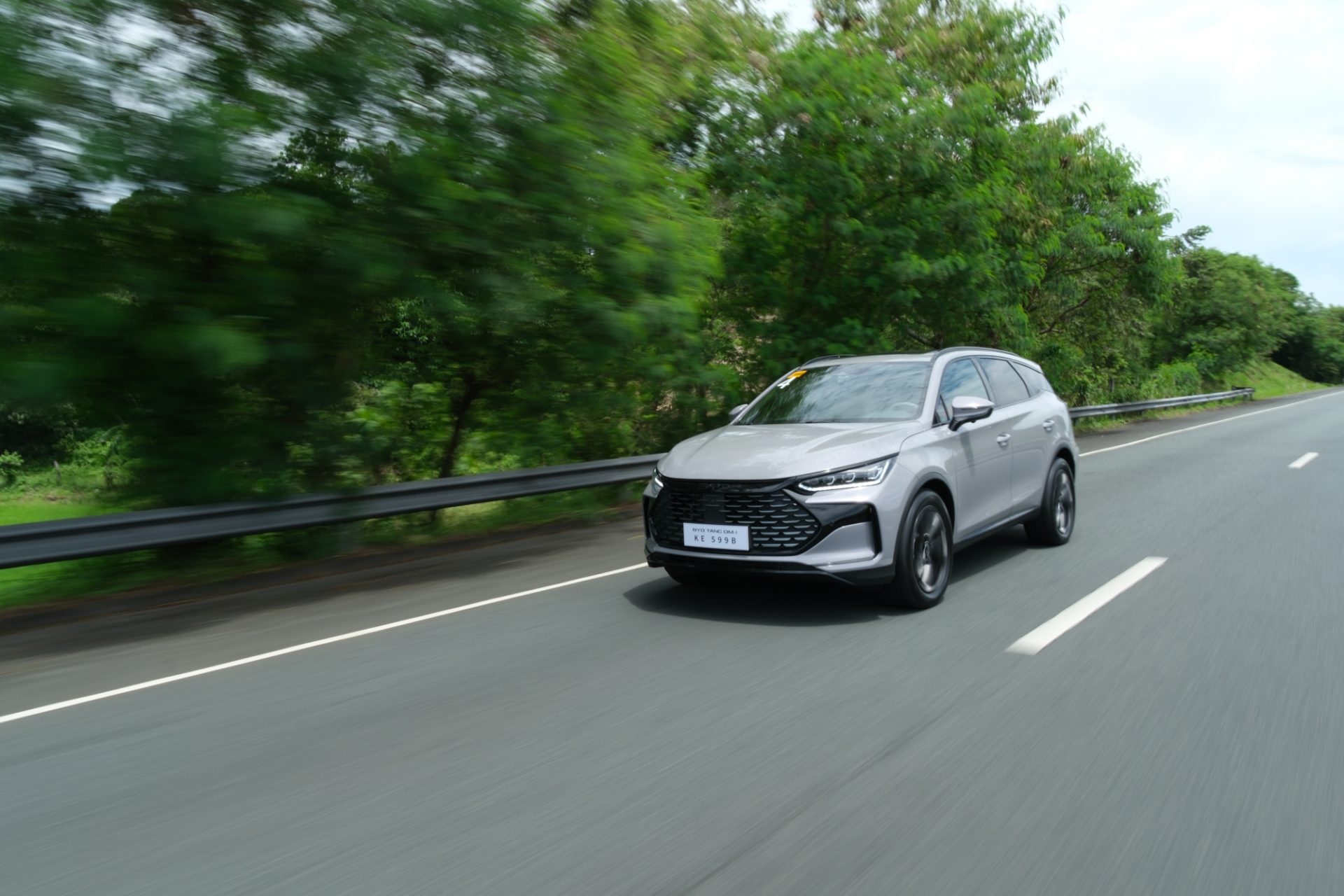
The biggest distinction of the Tang DM-i compared to its EV brother is the front face. Gone was the Dynasty look in the latter and was replaced by a huge grille with dragon-like scales for the mesh. In a way, it makes the hybrid Tang closer to the Sealion 5 than it is to the EV flagship. However, it still has the brand signature BYD bar at the top of the grille.

Other sides of the Tang DM-i have retained the original look though. The wheels might have a different design but it’s complementary to the overall aesthetic of the side profile. Meanwhile, the rear has revised lower bumper and reflectors but it’s still a Tang through and through.


BYD remained more faithful in the cabin of the Tang DM-i. It has the same overall look, just a different vibe. The LED pattern on the surface of the dashboard was replaced by a light strip at the bottom. They also changed the upholstery to cream, but retained the original stitching pattern from the Tang EV. The steering wheel is also the same 2-spoke piece, while the control for the panoramic sunroof is still touch-based. Last, they made the massive touchscreen fixed at the horizontal position which is no biggie, since Apple CarPlay and Android Auto doesn’t work in vertical mode anyway.
Basically if you can give a pass to the Tang DM-i’s front end, you’re in for a treat as the rest of the car’s design is faithful to the EV sibling.
More space and seats

One of the biggest advantages of the Tang DM-i over its other hybrid siblings is it’s the only one in the lineup with seven seats. That should have an asterisk though as the third row isn’t really comfortable for adults or even kids if you consider the fact that the third row doesn’t have its own air vents. However, it’s still nice to have, especially for those persistent relatives who want to go with you on your out of town trip. Sure you can go, you won’t have an aircon though.

The Tang DM-i is also spacious. You can be gracious and give the third row a bit more legroom, and you won’t have to sacrifice legroom of your own in the second row. Elbow room is also good as my big body wasn’t really touching my front passenger’s elbow when we were on the center armrest.
It must also be noted that the Tang DM-i has better ride comfort over the Sealion 6 and the Sealion 5. BYD seems to have tuned the suspension differently this time around as the Tang DM-i has a softer cushion without compromising body roll. Definitely flagship worthy in this area.
Power over everything
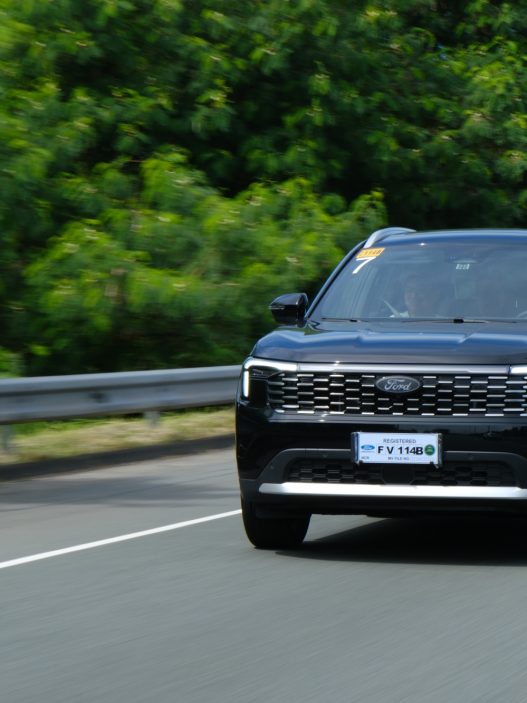
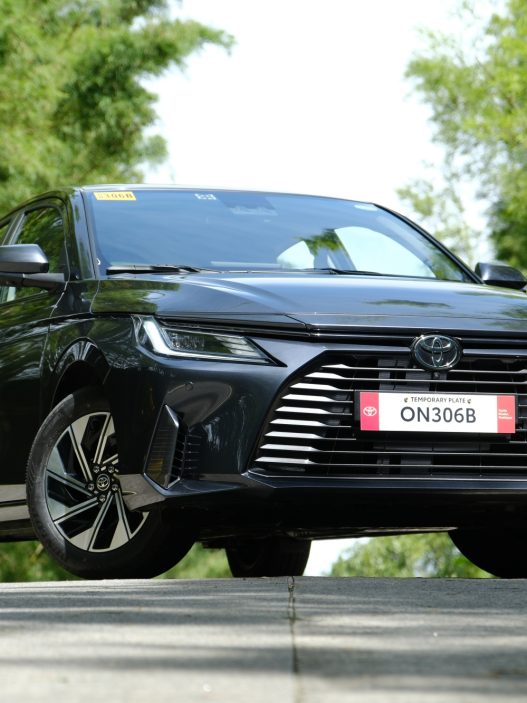
The Tang DM-i will go up against the big boys of the local automotive scene like the Montero, Fortuner, Everest, mu-X, and CR-V. Of them, only the CR-V is not diesel powered. Those diesel boys are packing around 500 Nm of torque, which is far above the Tang DM-i’s 271 PS and 315 Nm of pull.

However, the Tang isn’t without its advantages. The numbers might be smaller, but power delivery is certainly a lot faster than its diesel-fed competitors. Every blip of the throttle is felt and there’s minimal ramp up in power if you need to overtake someone. You wouldn’t feel like it “only” has 315 Nm of torque as the car gives you all of that in an instant.

There’s also the matter of range. The Tang DM-i can cover 110 km in EV mode alone, and can go up to 1,160 km if combined with the engine thanks to its 1.5-liter turbocharged engine as power generator – which is another advantage over the other DM-i models. It’s also a far cry from the usual 500-700 km range of the diesel boys (at least from my experience with them).
If you also chose to cruise, the Tang DM-i has more finesse compared to its hefty rivals. It has a lighter steering feel, the ride isn’t as sensitive, and the DiPilot safety system makes every drive safer without bombarding you with notifications.
For the chosen few
The BYD Tang DM-i has the chance to undercut its rivals with its poise and composure, but its audience might be a tad slim. There are those who will look at the engine numbers and nothing else, while some might be more concerned by the lack of air and space in the third row especially at the summer heat we experience.


However, there are those who treat the third row as “just in case” and for them, the Tang DM-i will be perfect. It has a very comfortable first and second row, combined with modern amenities and cabin aesthetic. They’ll also appreciate it every time they gas up as the interval would be longer in between visits, making it lighter for the wallet.

It’s also a very enticing option. In an era where flagship midsized SUVs are already going past PHP 2.5M, the BYD Tang DM-i’s PHP 2,098,000 SRP is very compelling. You’re getting a fine SUV that has a longer range, more comfortable ride, and a definite symbol of success with its premium design inside and out. If you can look past its shortcomings, the BYD Tang DM-i is an SUV to behold.