




Changan Philippines recently introduced its Nevo new energy vehicles to the country with both range-extended electric vehicles and battery electricofferings to supplement its existing lineup.
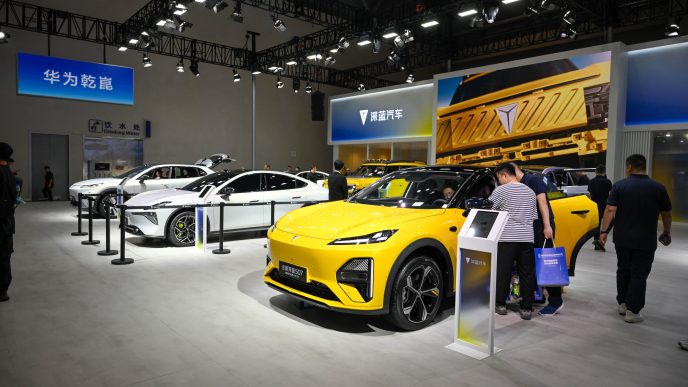
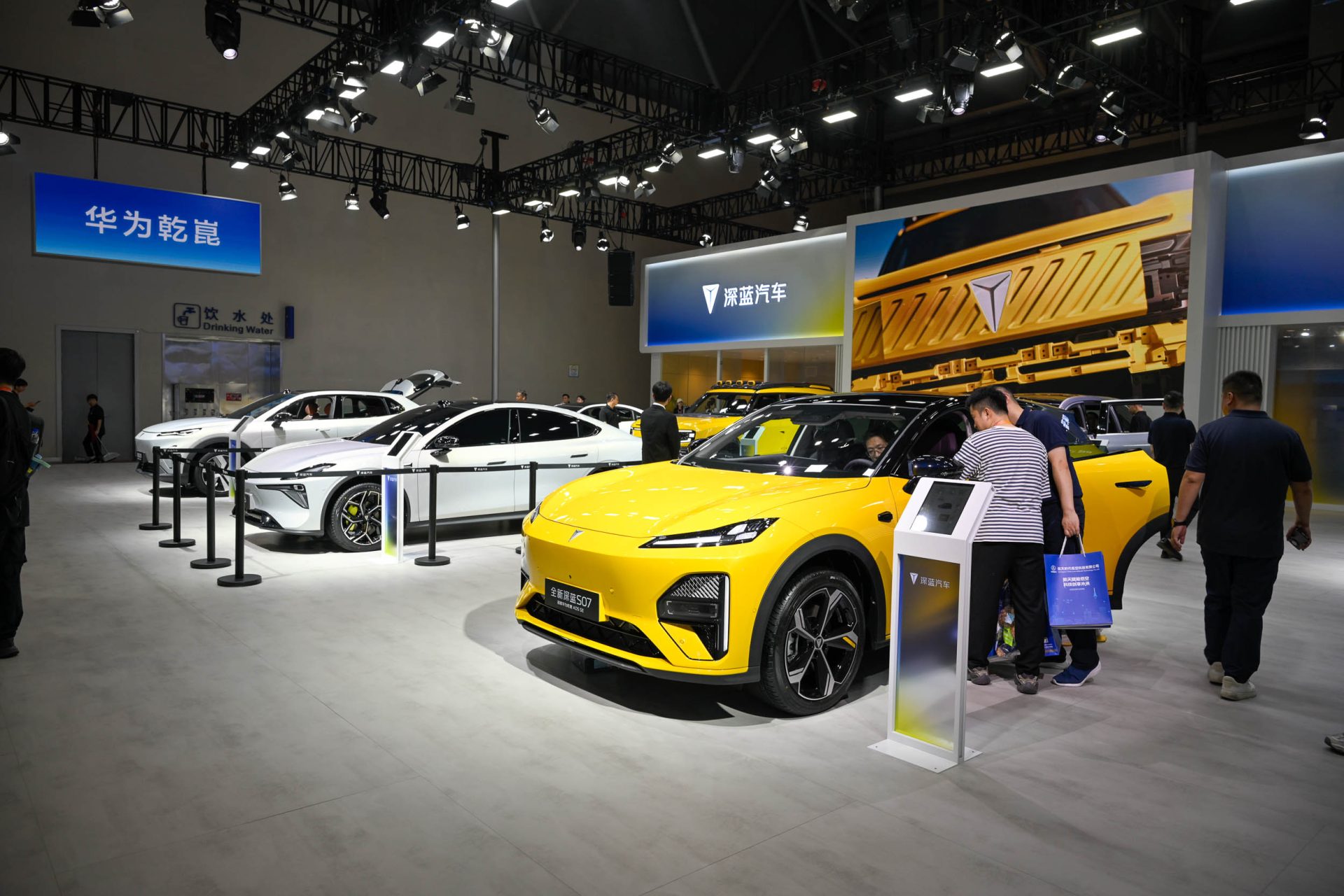
However, at the recent World Smart Industry Expo 2025 held in Chongqing, China, the automaker gave us a quick look at its other sub-brands and vehicles that they currently offer in its homeland, and here are a few new vehicles and sub-brands that we might see in our country:
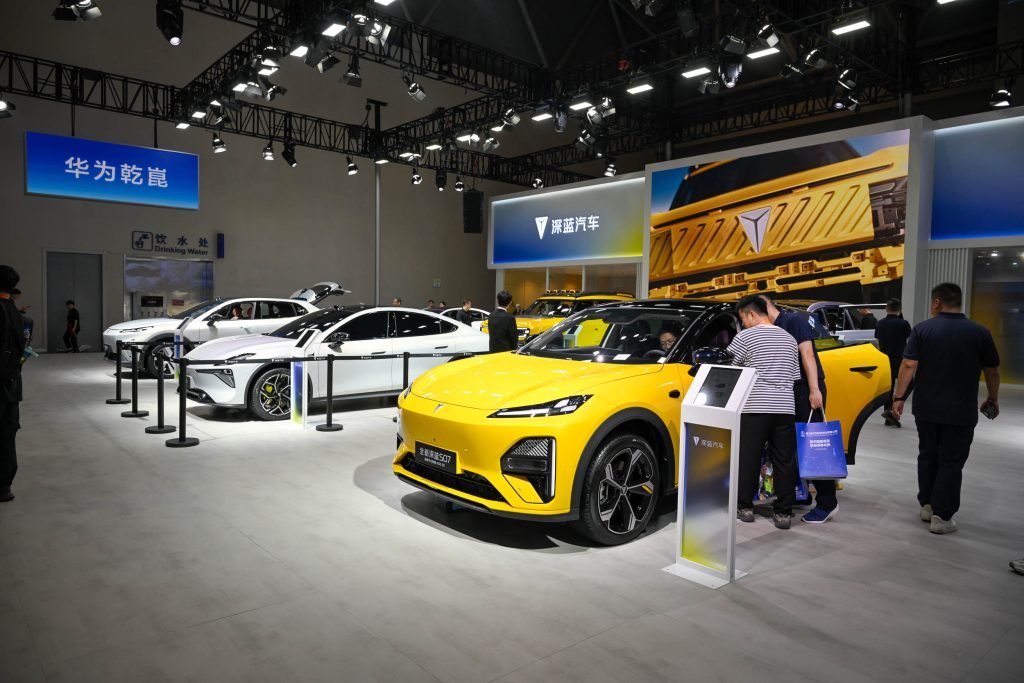
Deepal is a brand that specializes in New Energy Vehicles, meaning these are exclusively either battery electric or range-extended electric vehicles.
Unlike its Changan Nevo counterpart, Deepal vehicles focus on technology, utilizing advanced driver assistance systems (ADAS) from the likes of Huawei for even higher-end capabilities.
A few examples include implementing augmented reality (AR) in navigation and heads-up displays, smarter virtual assistants that utilize artificial intelligence for more natural and seamless integration with smartphones and smart homes, and, in some of its higher-end cars, self-driving capabilities that allow the driver to relinquish more control to the vehicle.
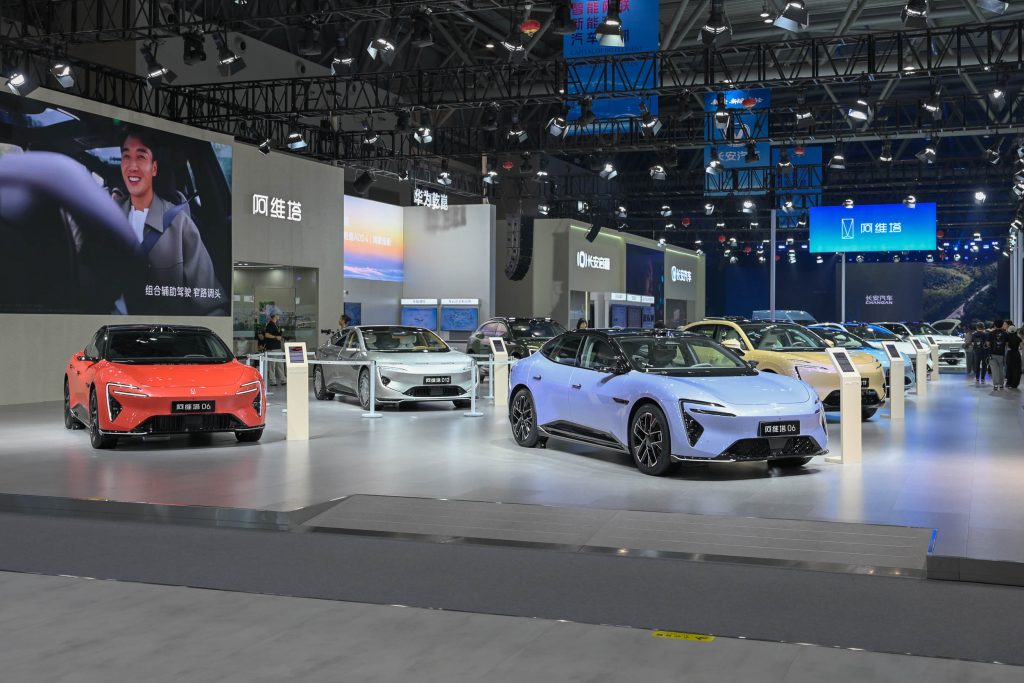
Avatr makes funky, futuristic-looking vehicles. This is Changan’s luxury arm–a joint-venture between Changan, CATL, and using software and motors co-developed with Huawei. It’s what Lexus is to Toyota or Genesis is to Hyundai.
These feature very distinctive and unique designs unlike any other car on the road, and their interiors take both tech and luxuries up another level, with premium materials in unique color schemes, high-end in-car and powertrain technologies, and the most up-to-date ADAS systems available. These cars are offered with full battery electric or range-extended powertrains, too.
Take note that the range figures mentioned later are measured using the China Light-Duty Vehicle Test Cycle (CLTC), a test that favors conditions in China compared to the rest of the world.
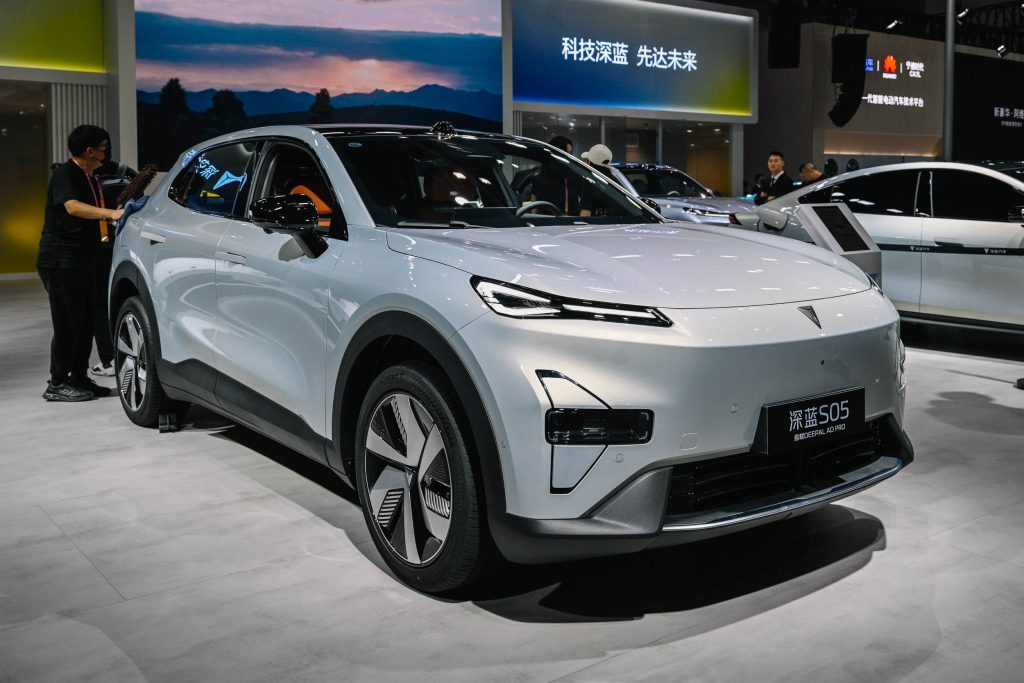
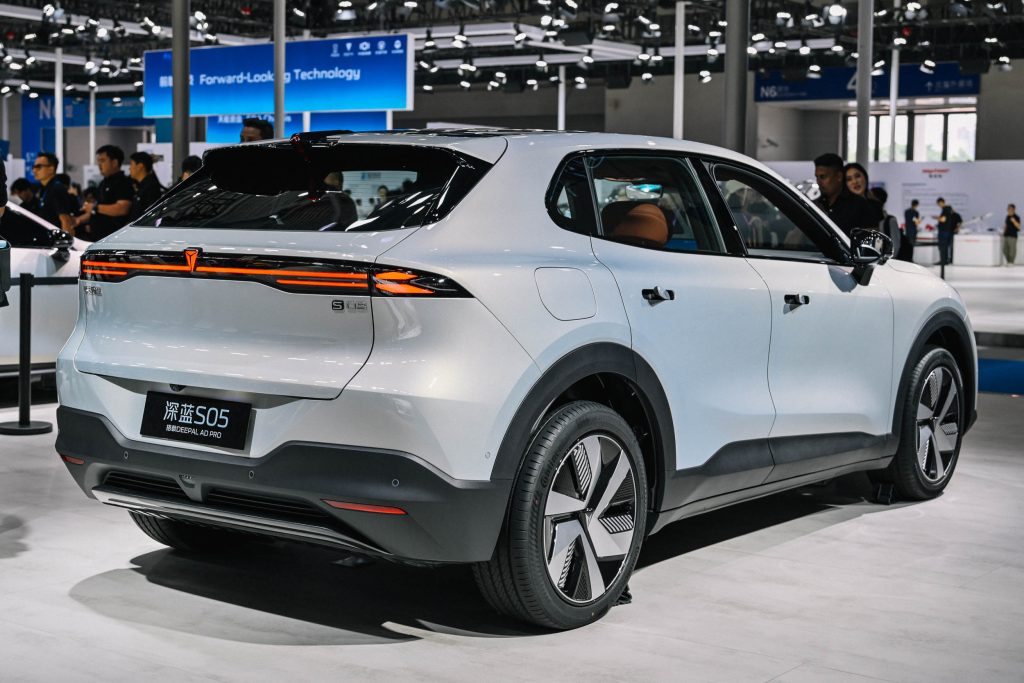
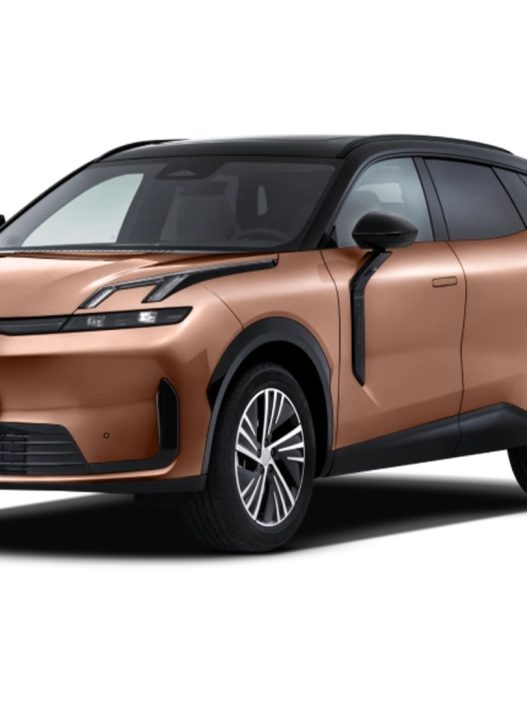
Deepal S05
The S05 is the brand’s “entry-level” compact crossover offering with a healthy amount of technology inside. This is what would compete with the likes of the BYD Atto 3, Geely EX5, or Toyota bZ4x.
Being tech-focused, it features an in-car system powered by a Qualcomm Snapdragon 8155 chip, the Deepal OS with Deepseek AI, and the Deepal ADAS suite that provides adaptive cruise control, lane centering, and parking assistance.
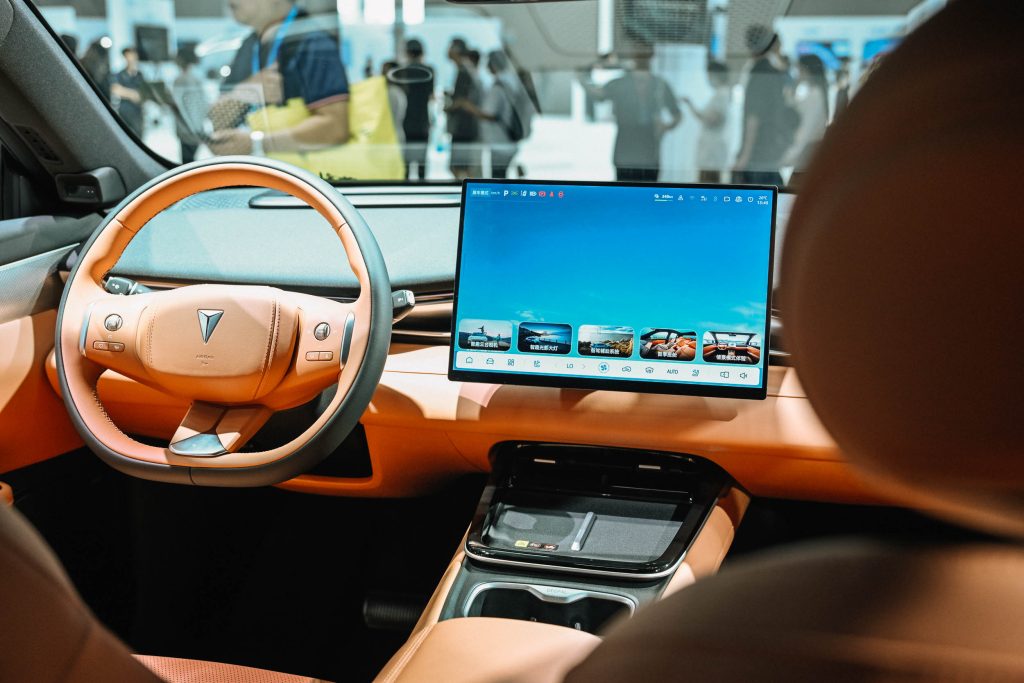
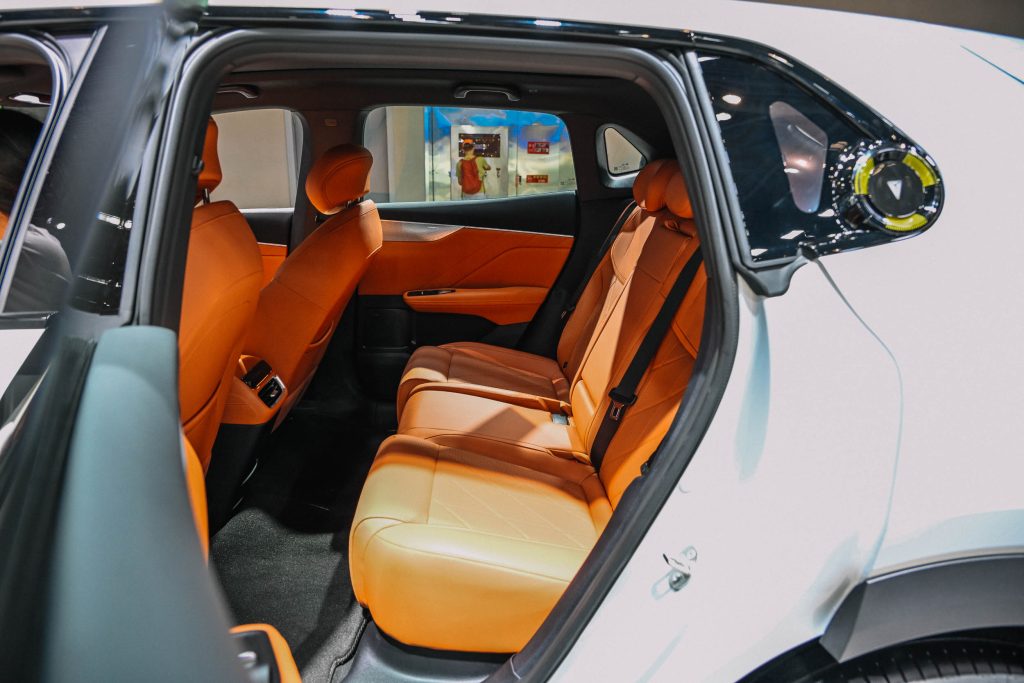
It’s available either as a single- or dual-motor battery electric vehicle, mated to a 56.12kWh LFP battery. The maximum range is up to 510km (CLTC) on a single charge.
On the other hand, the range-extended variant mates a 1.5-liter gas engine to a smaller 27.28kWh LFP battery, allowing for up to 1,234km (CLTC) of combined range or 200km (CLTC) of pure electric range.
Deepal S07
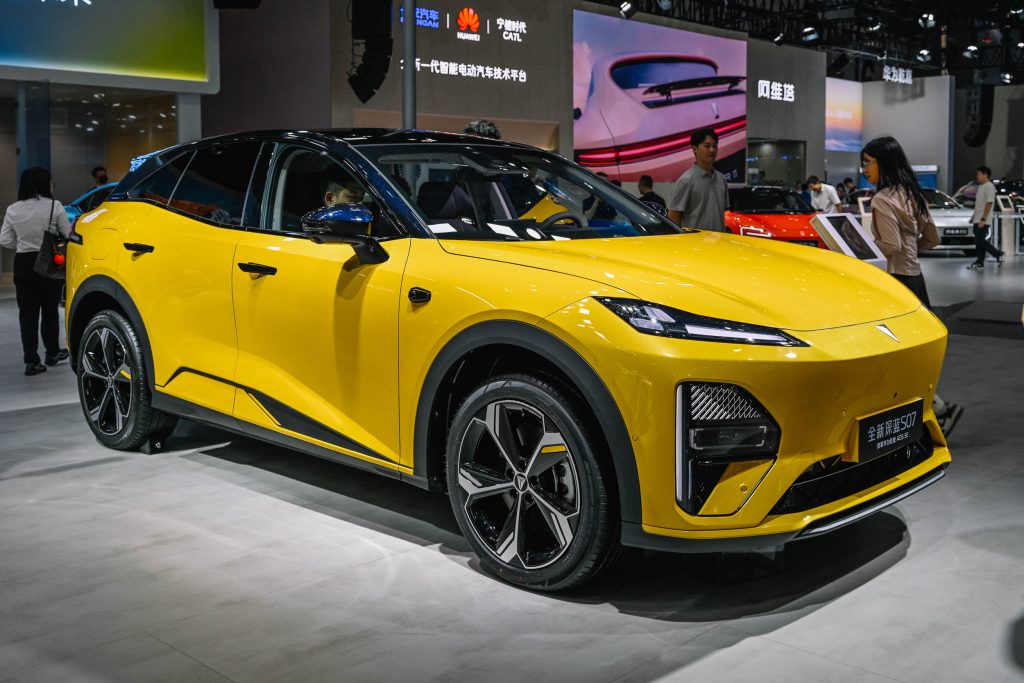
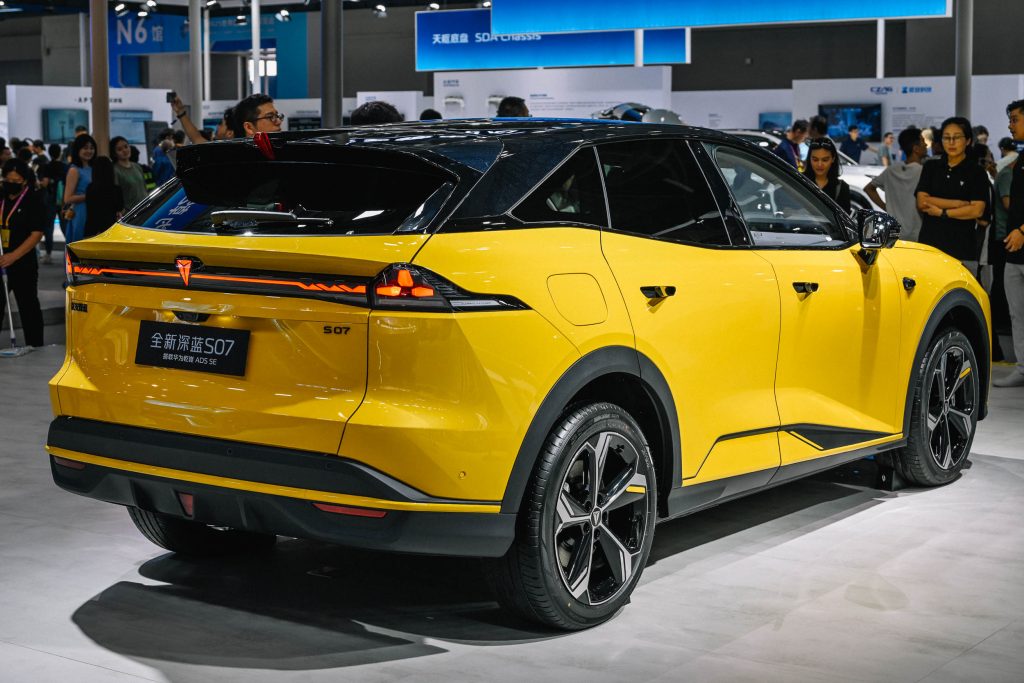
The S07 is a more premium, sharper-looking, compact crossover offering using more self-driving technology inside.
This time, it uses the more powerful Huawei HarmonyOS to power the rest of the car. The Huawei ADS and Deepal AD Pro systems work together, enabling more ADAS functionality, such as intelligent collision avoidance, automated remote parking, and navigation on autopilot (NOA), allowing the car to drive and navigate itself on certain highways and expressways in China, even entering and exiting the correct off- and on-ramps.
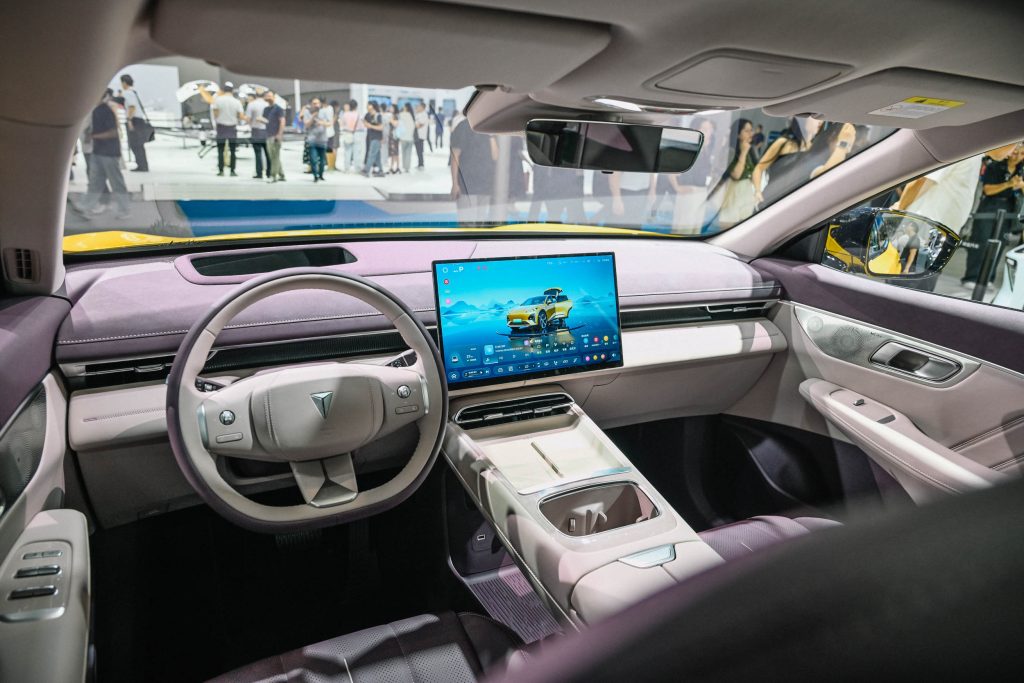
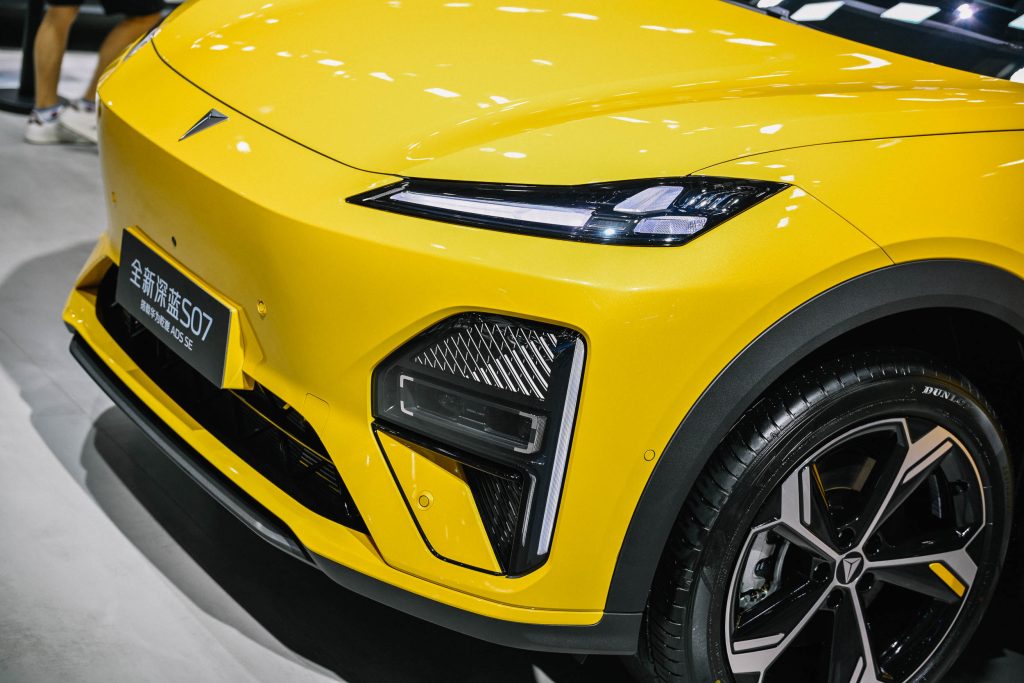
Like the S05, this is either offered as a battery electric vehicle or a range-extended variant.
The BEV variant offers up to a 79.97kWh NMC battery, with range figures going as high as 628km (CLTC). Meanwhile, the range-extended model mates a 1.5-liter gasoline engine to a 39.05kWh LFP battery, allowing for up to 1,280km (CLTC) of combined range or 285km (CLTC) of pure electric range.
Deepal G318
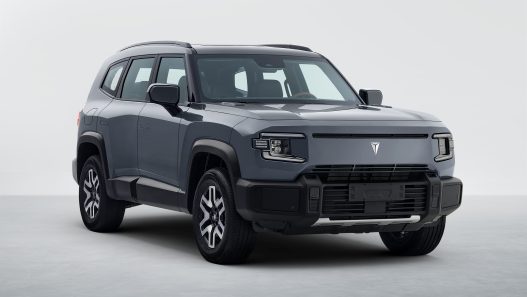
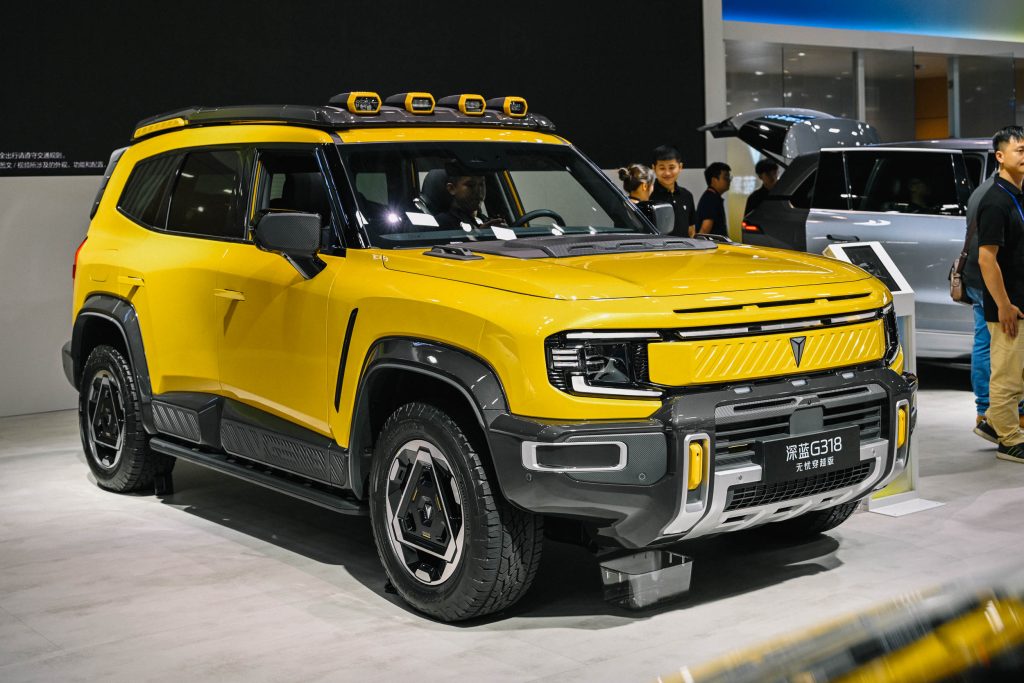
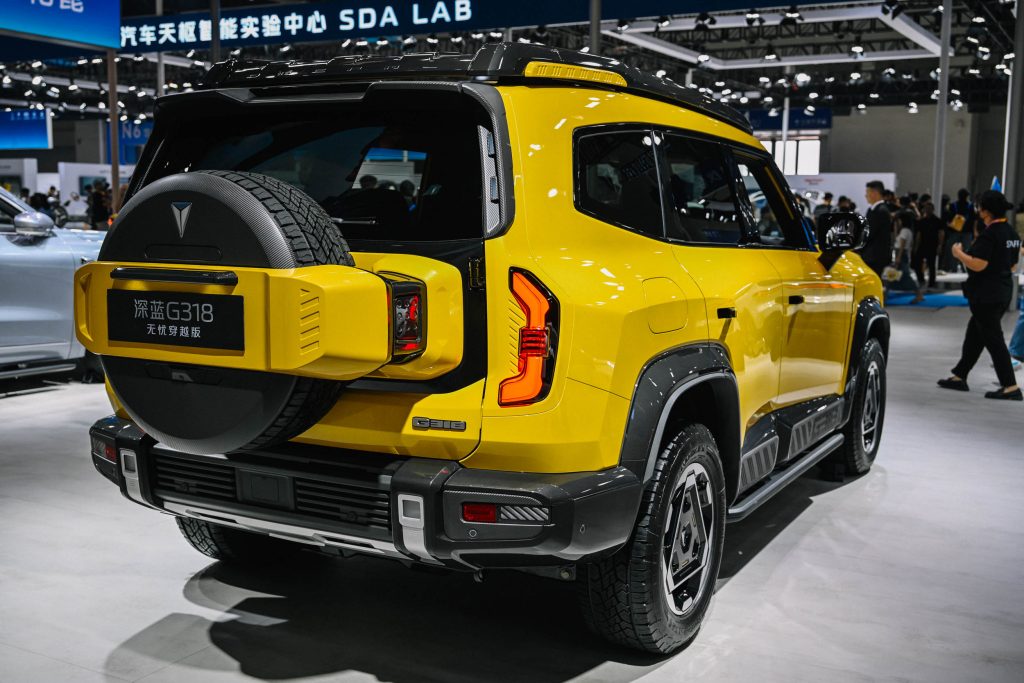
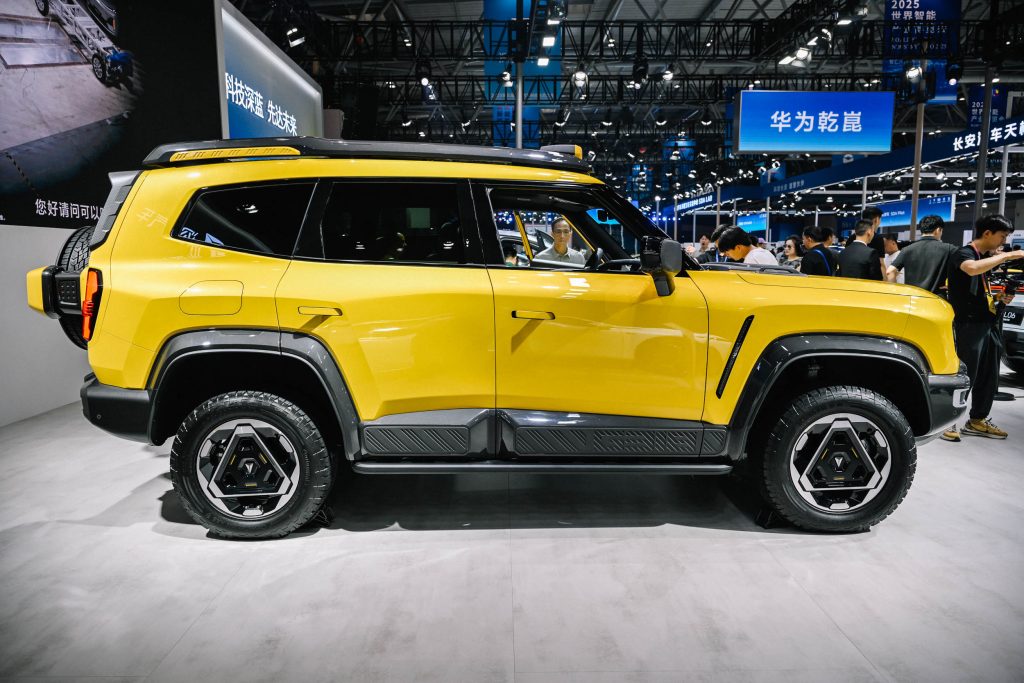
This boxy SUV is for those who are looking for a range-extended vehicle that can keep up with their adventurous lifestyles.
This “Worry-Free Crossing Edition” features a rugged design with lots of angles, tie-down and accessory points, flared-out fender flares and all-terrain tires, a built-in roof rack with integrated spotlights, and swing-out rear door with a spare tire.
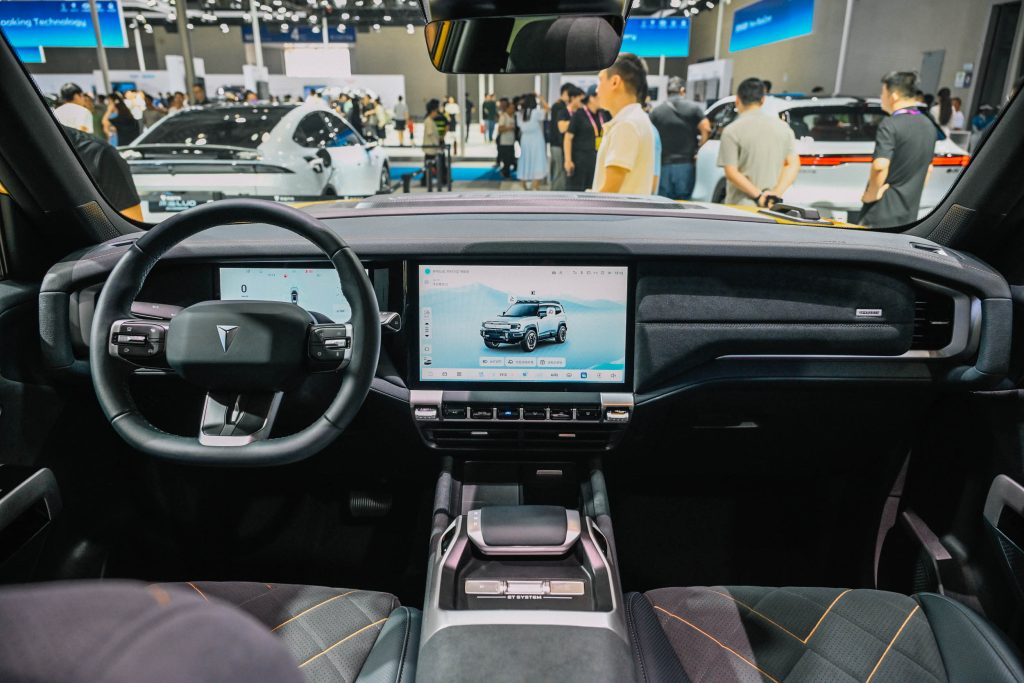
It also has surprisingly, a luxurious cabin that offers a lot of luxuries (climate controlled seats with massaging as an example) with tech to match running the Deepal OS and Deepseek AI, plus a comprehensive ADAS suite.
Exclusively available in a range-extended powertrain, it mates a 1.6-liter turbocharged four-cylinder engine to a single or two motors, and up to a 35.07kWh battery for up to 1,000km (CLTC)combined, or up to 184km (CLTC)on pure electric power. It can push out 424 horsepower, has an air suspension allowing for up to 278mm of ground clearance and both a center differential lock and mechanical differential lock for off-roading chops.
Avatr 11
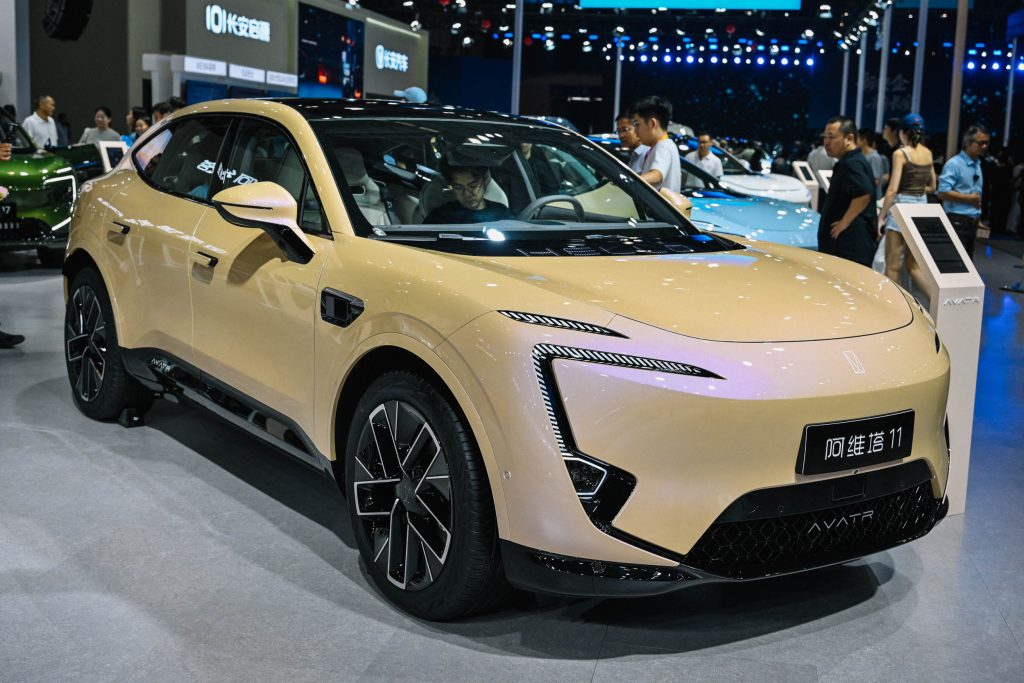
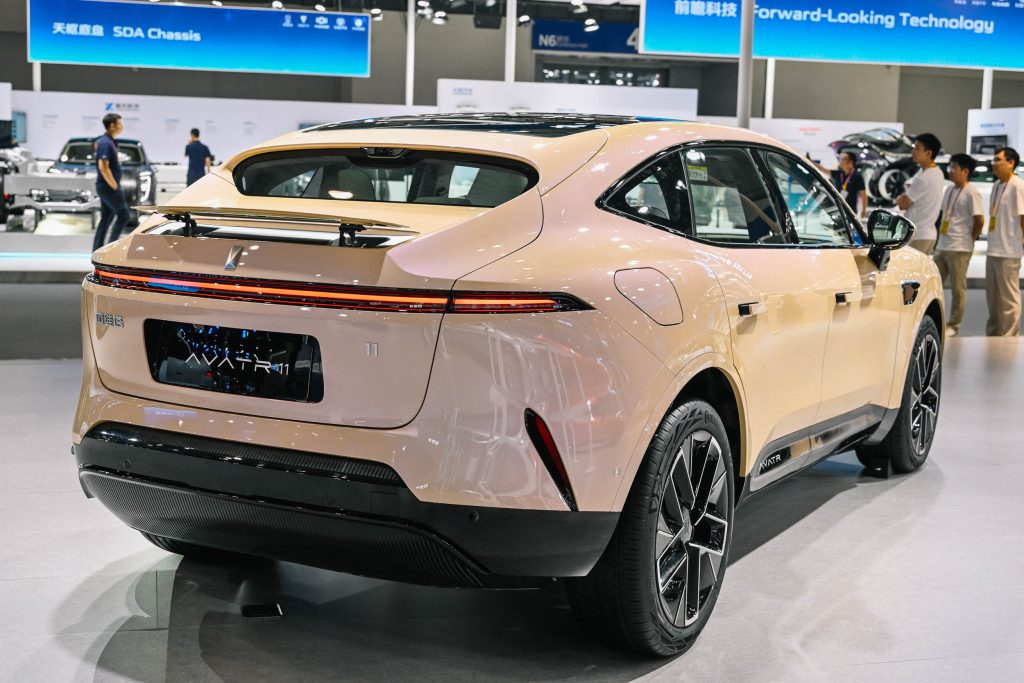
This is a midsize luxury crossover with a very distinctive “fastback” sedan-like rear end. Other quirks are a retractable spoiler, and a unique display on the hood that allows you to show messages to passers-by. The rear seats also have a high degree of adjustability and options like massaging and climate control for maximum comfort.
It comes with three screens, a 10.25-inch driver and passenger display, and a 15.6-inch main infotainment screen that runs Huawei’s HarmonyOS cockpit system.
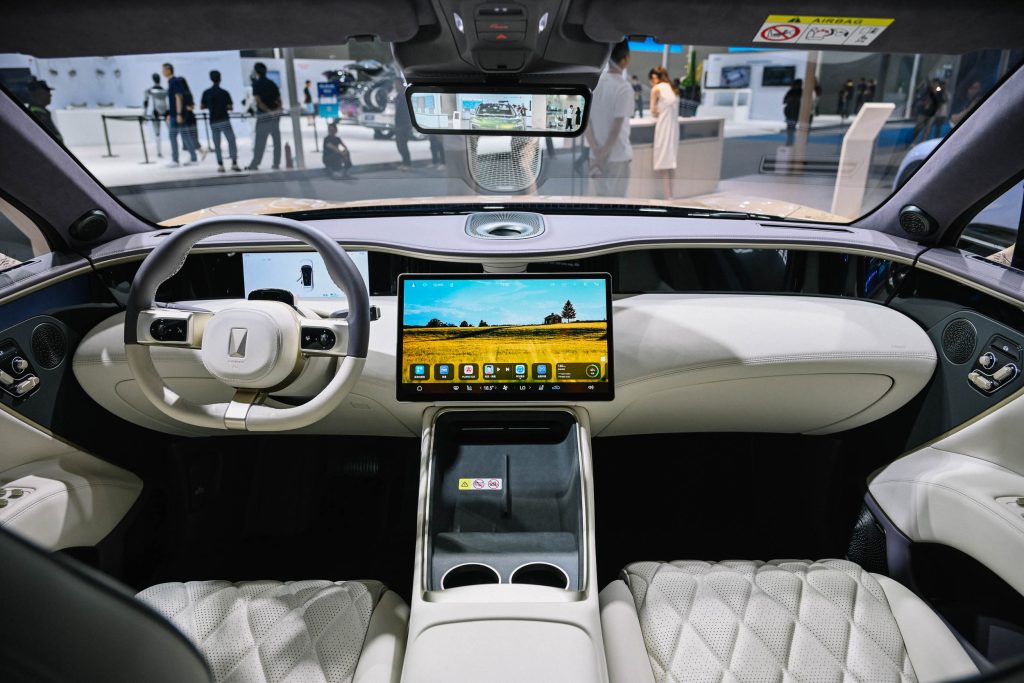
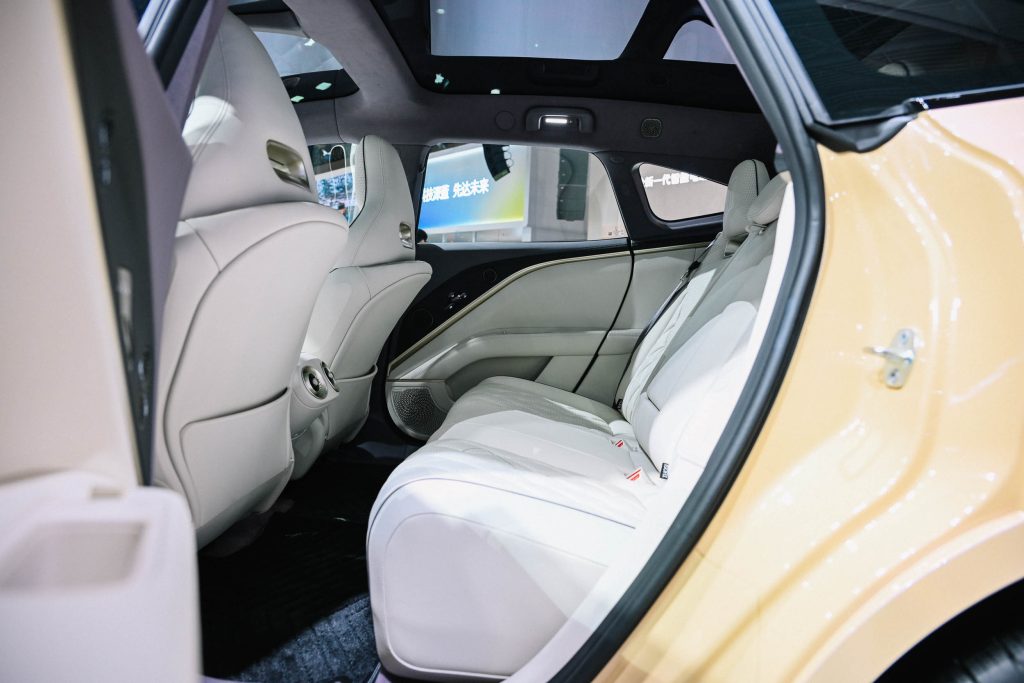
It also features luxuries like the option for a Meridian sound system, and three LiDAR sensors for the Huawei ADS that will allow omni-directional obstacle avoidance, mapless autonomous driving (in certain scenarios, and more intelligent automated parking.
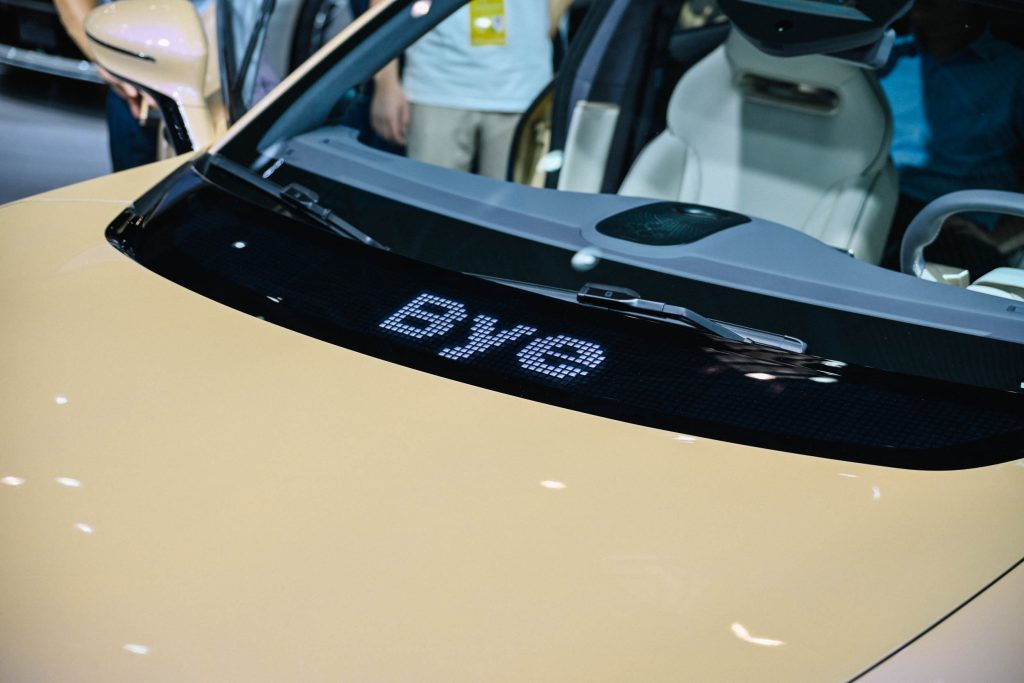
In EV form, it’s available either as a single-motor or dual-motor powertrain, with up to a massive 116.79kWh NMC battery capable of charging from 30% to 80% in around 25 minutes. It can drive up to 815km (CLTC) on a single charge. The range-extended version can drive up to 1,065km (CLTC) of combined range or 225km (CLTC) on pure electric power.
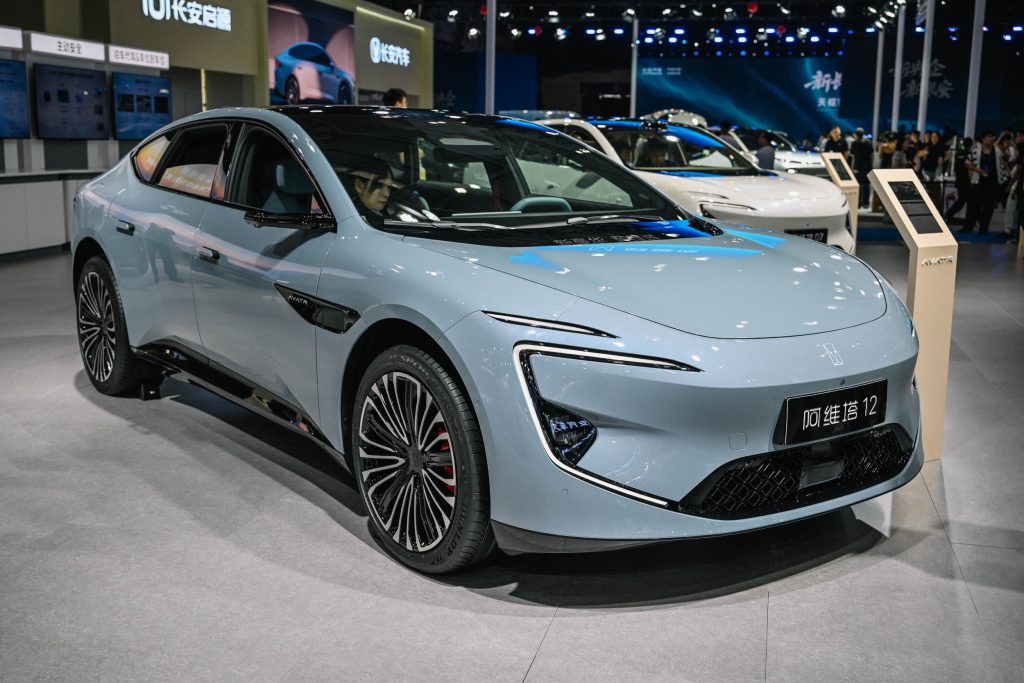
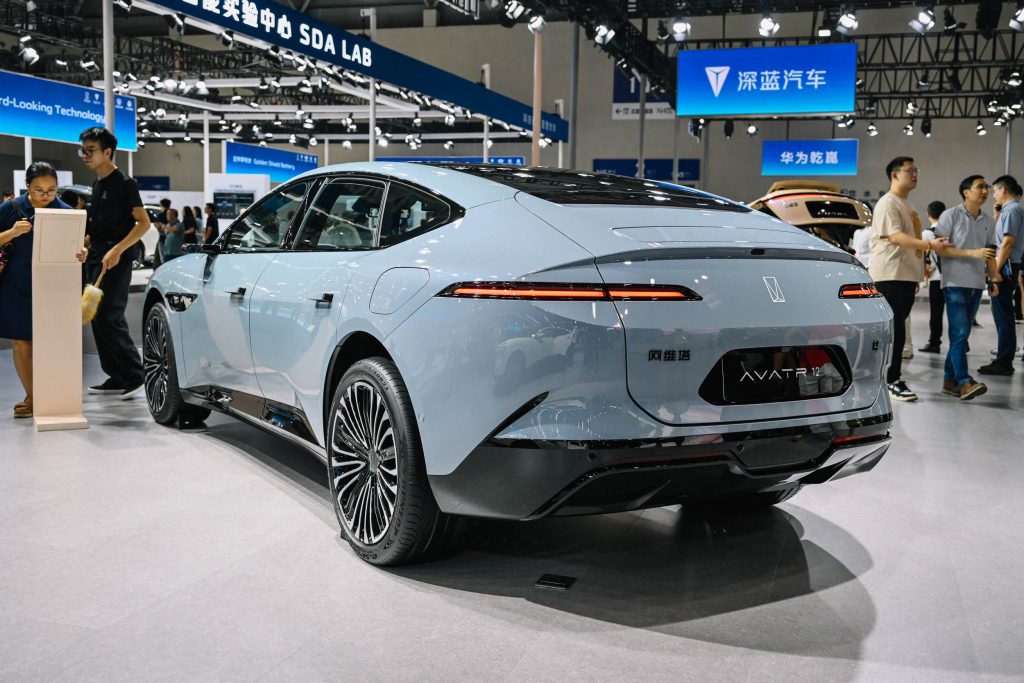
Avatr 12
Their flagship model is a full-sized sedan in a fastback profile, featuring seamless door handles, the same hood-mounted display, retractable spoiler, and in the case of the model on display, wing mirror cameras.
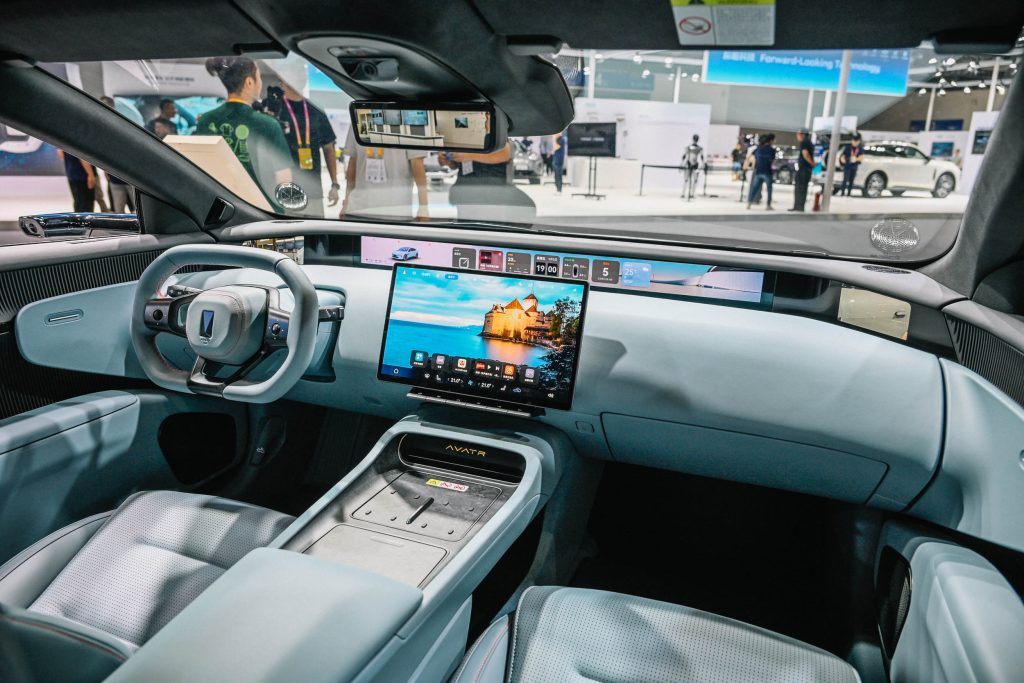
Inside, the dashboard is dominated by screens, with two small displays flanking the almost pillar-to-pillar 35.4-inch display for essential information and other media. A 15.6-inch infotainment screen also runs Huawei’s HarmonyOS, and is connected to the same triple-LiDAR Huawei ADS system found on the Avatr 11.
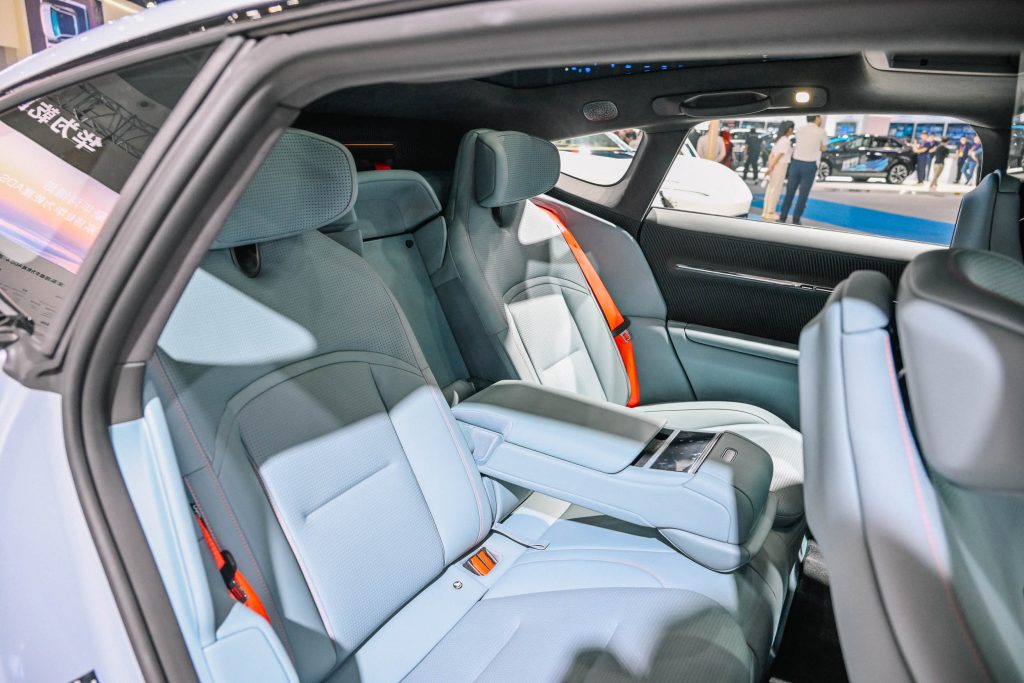
The interior materials are of the highest quality like Nappa leather and wood, and the two rear seats have a lot of seat adjustments with all the comforts you can think of (climate control and massaging), and it also includes a glass roof, a drop-down 16-inch screen, and a 25-speaker Meridian sound system.
It’s available in both range-extended and electric vehicle variants, with the range-extended variant mating a 1.5-liter turbocharged gasoline engine to a 39.05kWh battery for up to 1,155km (CLTC) of combined range or 245km (CLTC) of pure electric range.
Meanwhile, the EV either uses a single or dual-motor battery mated to a 94.53kWh battery capable of up to 755km (CLTC) of range on a single charge, and is also capable of fast charging, like the Avatr 11.
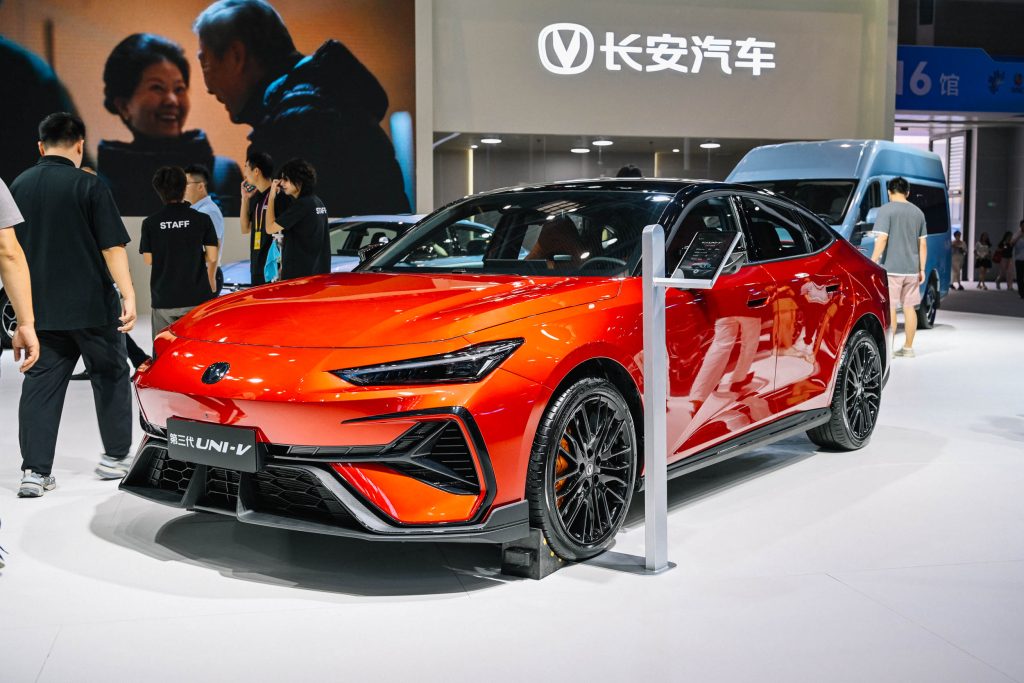
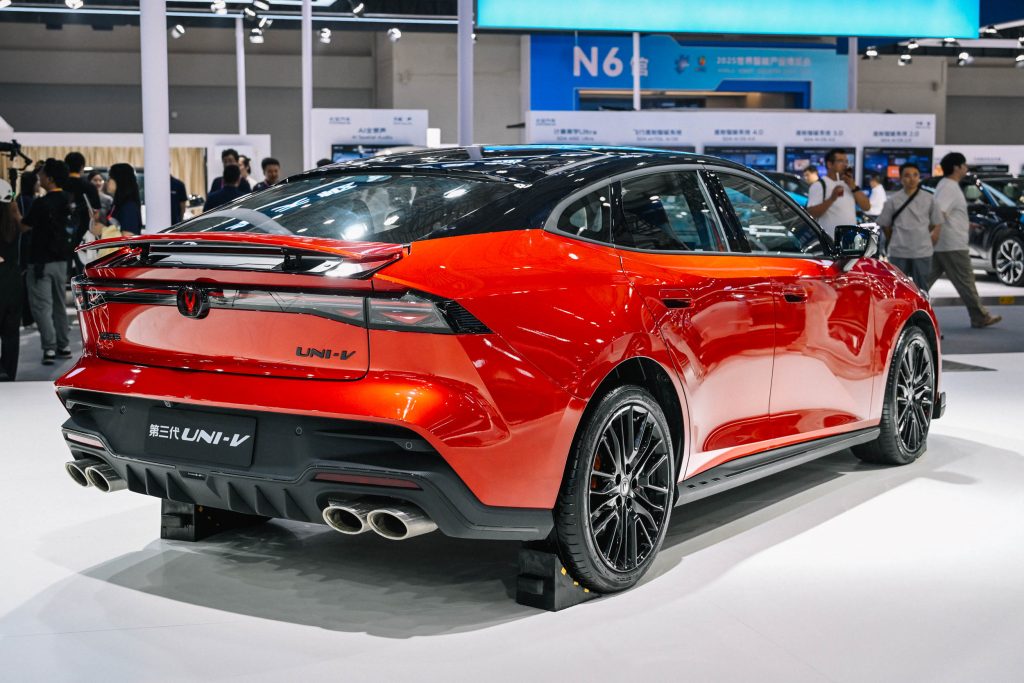
Changan UNI-V
Here’s something that is just a traditional internal combustion engine compact sedan, taking on the likes of the GAC Empow, Honda Civic, and Mazda 3.
This 2.0T variant features a very aggressive front bumper with a front lip, large 19-inch multi-spoke black wheels wrapped by Dunlop SP Sport Maxx rubber (235/40R19), a retractable spoiler, and a rear bumper with a rear diffuser and quad tailpipes.
The interior features a black-and-orange color scheme, complete with sports seats and a driver-focused cockpit.
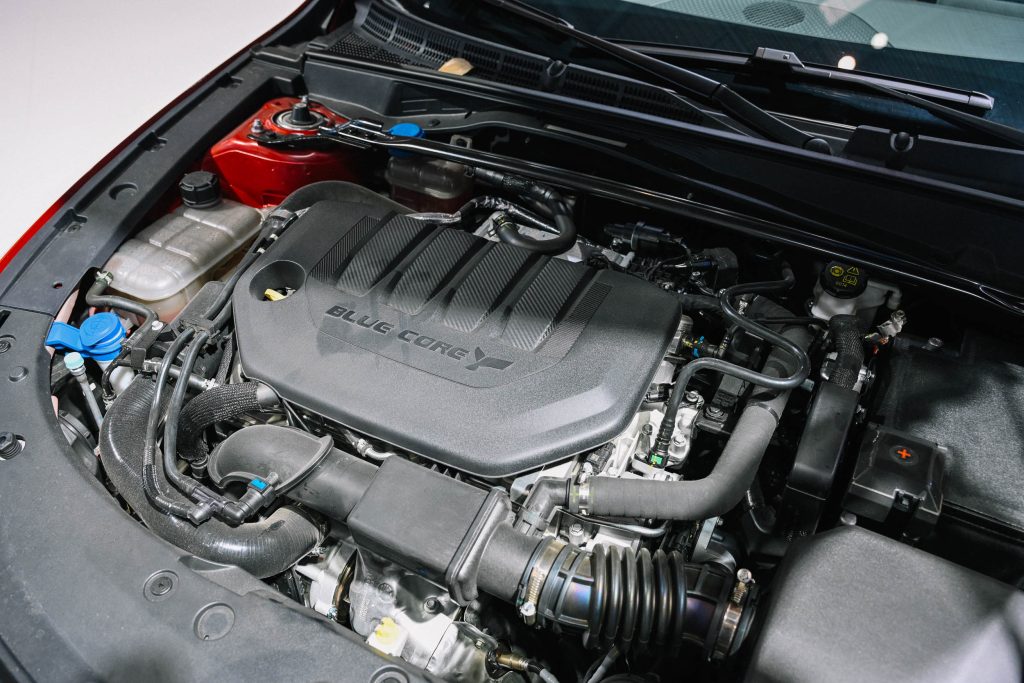
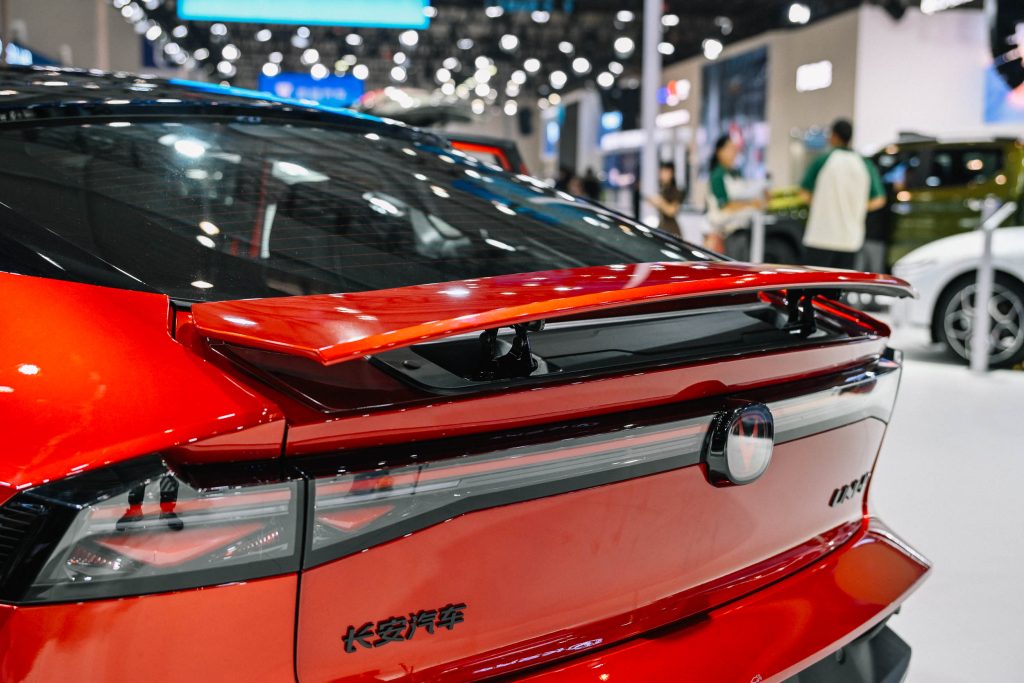
Finally, it’s powered by a 2.0-liter turbocharged gasoline engine mated to an eight-speed automatic transmission. Power is rated at 244 horsepower and 400 Nm of torque, and it sends all of that to the front wheels. A very exciting prospect for those looking for an enthusiast-oriented car.
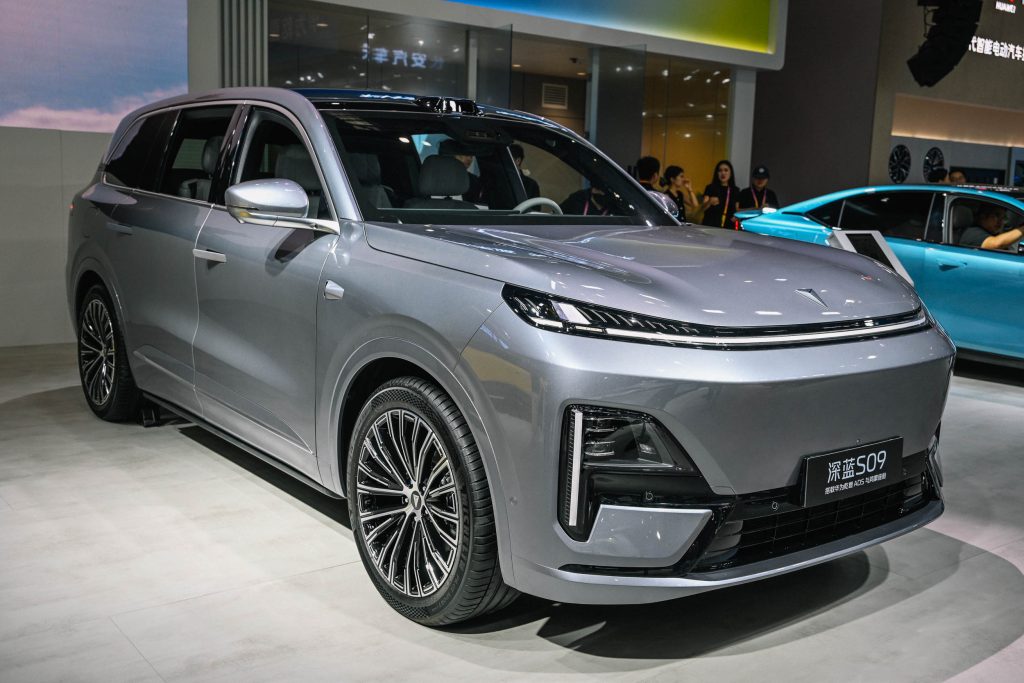
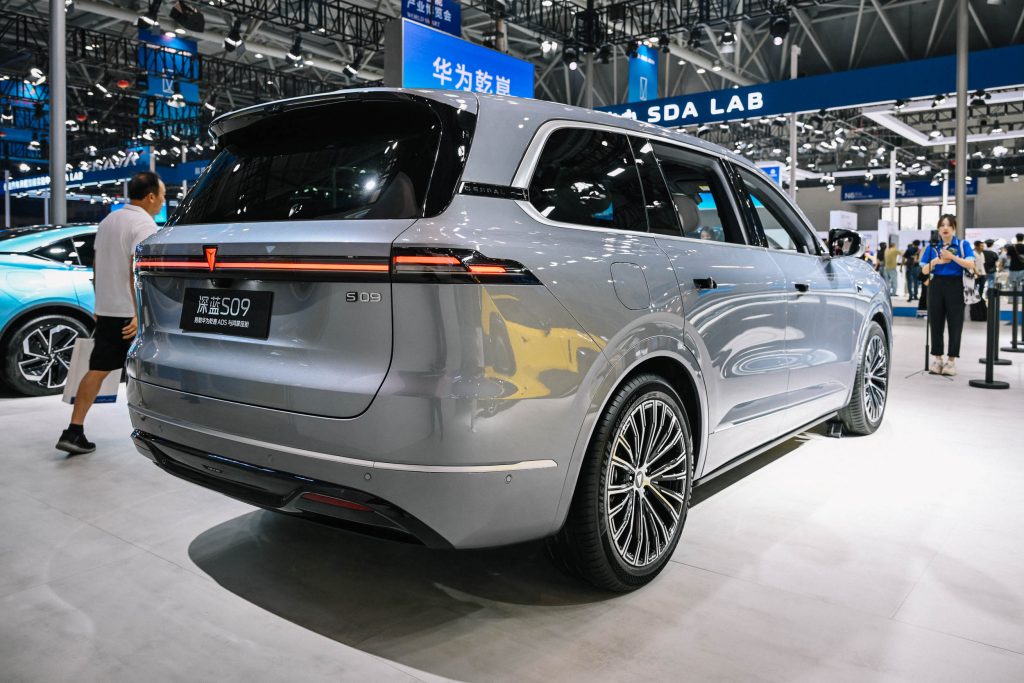
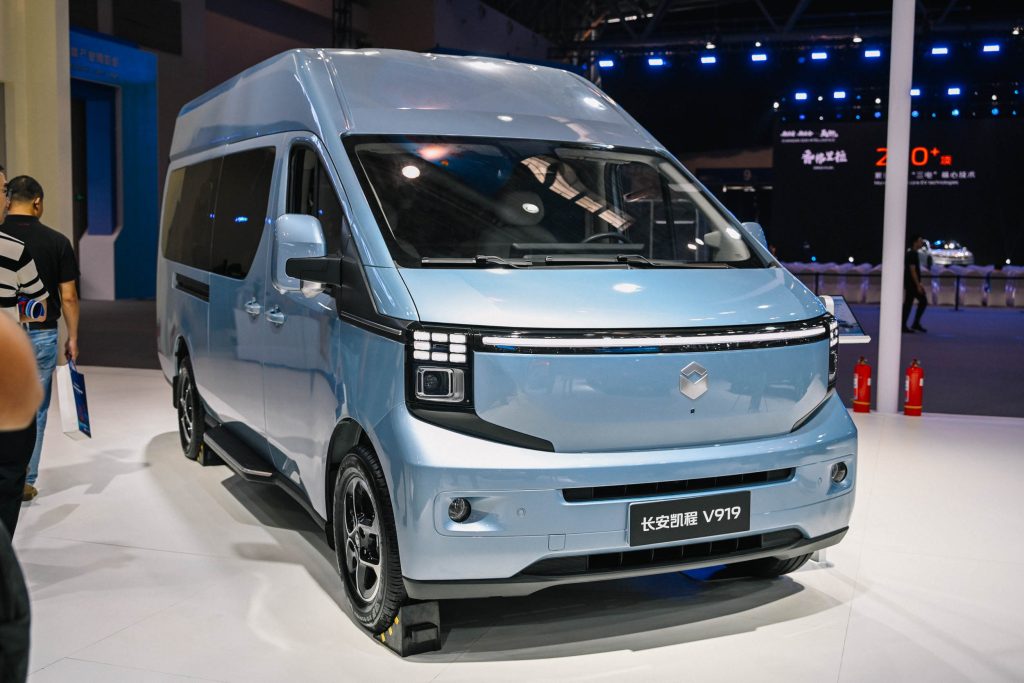
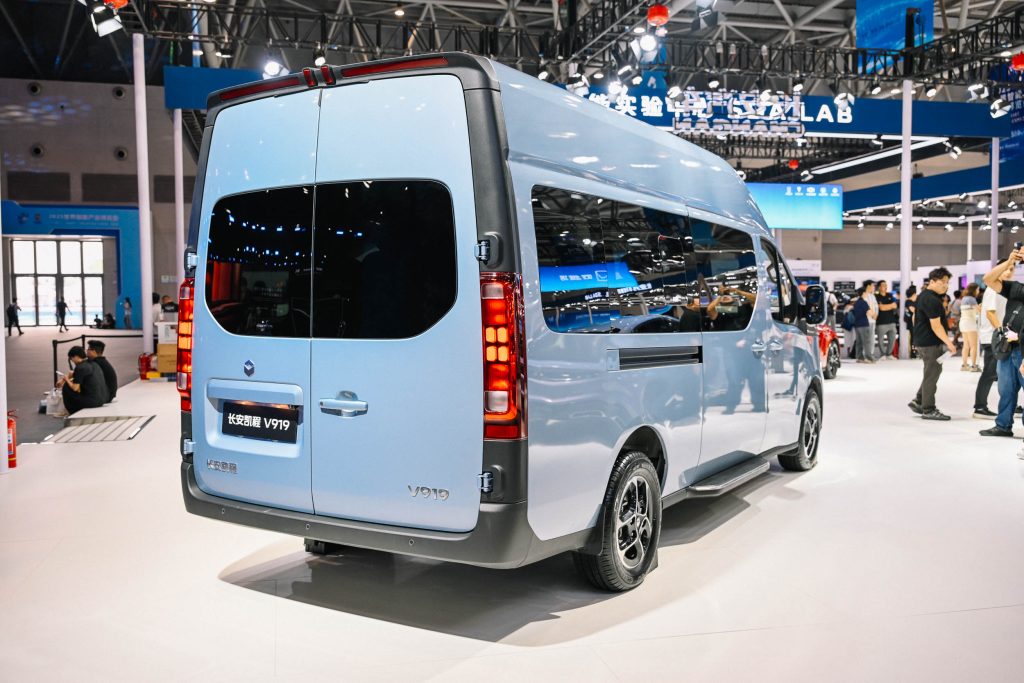
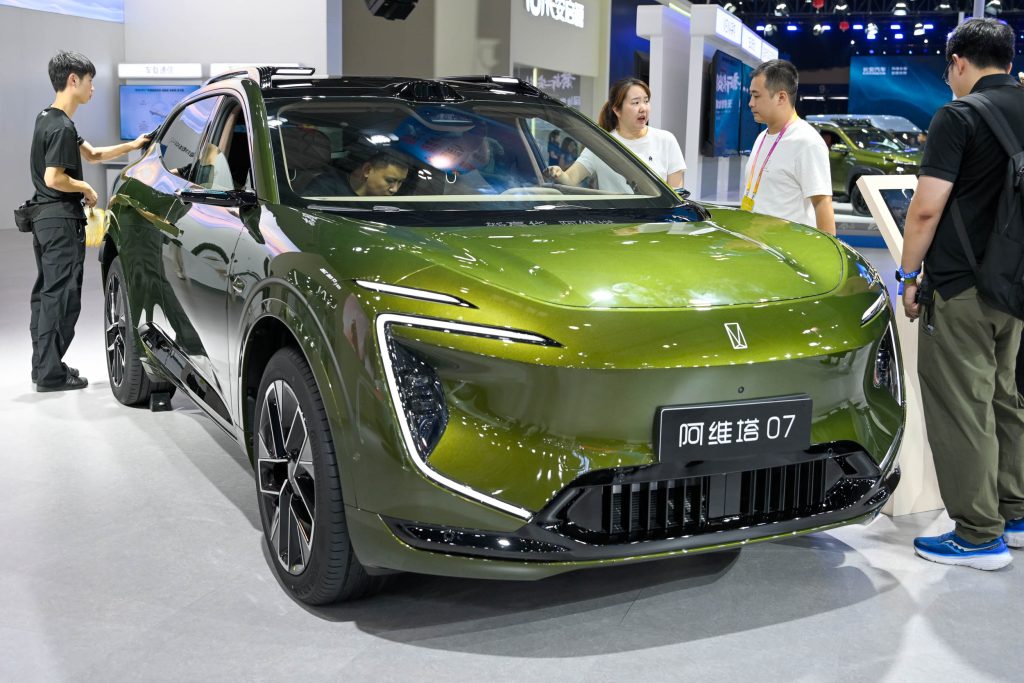
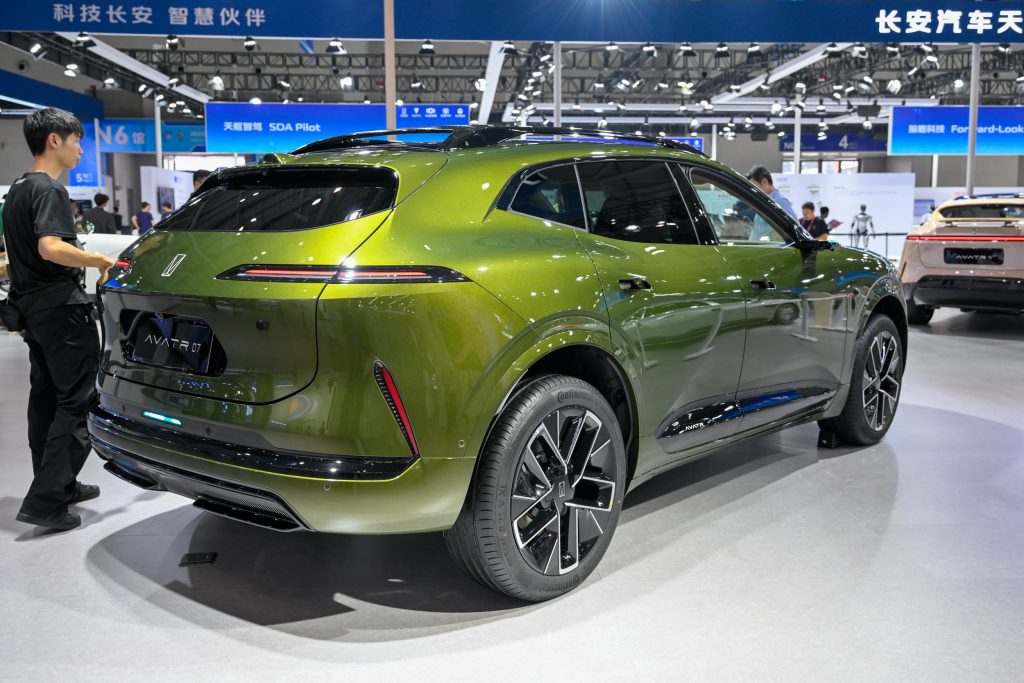
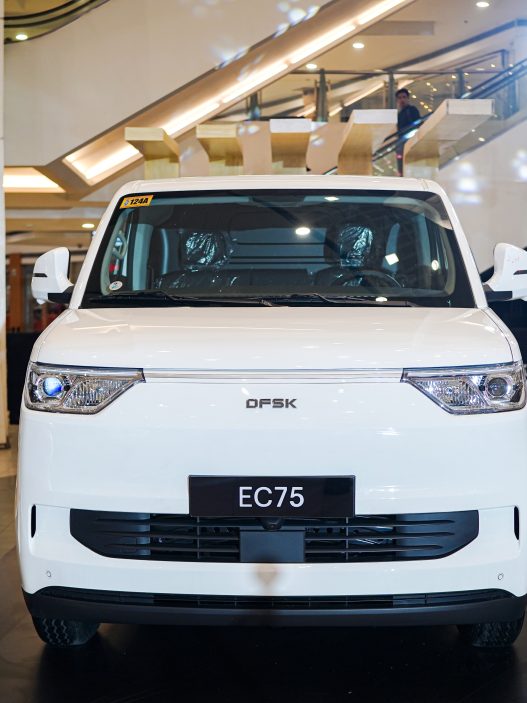
Of course, there were a handful of other cars that the distributor could potentially introduce like the Deepal S09, a full-size flagship range-extended electric SUV with tech aimed at the rear passengers, or the Kaicene V919, a battery-electric full-size van that could either be outfitted for commercial or personal usage, or even the popular Avatr 07, the entry-level crossover for the luxury marque.
These are exciting times for the brand, and it should be interesting to see how they will shake up their respective market segments.