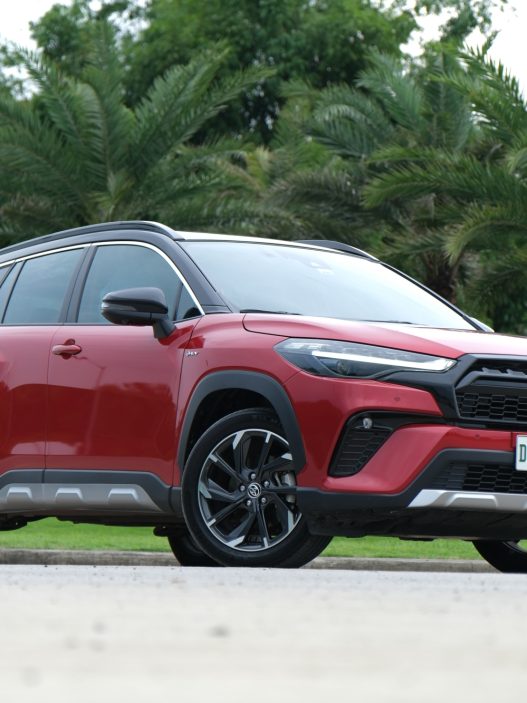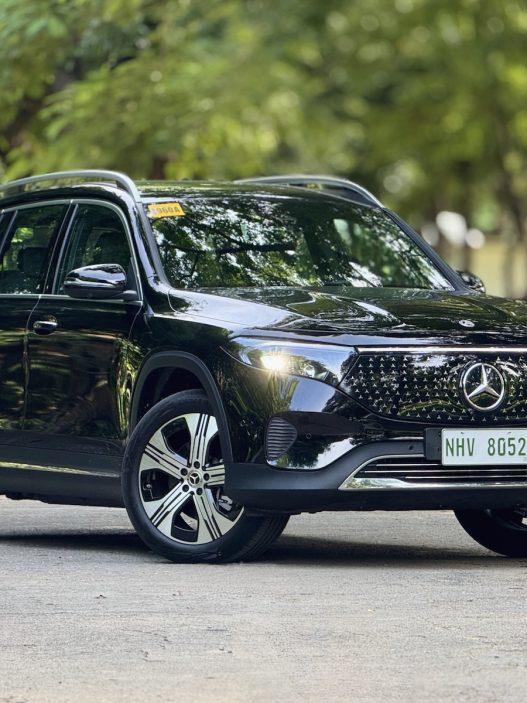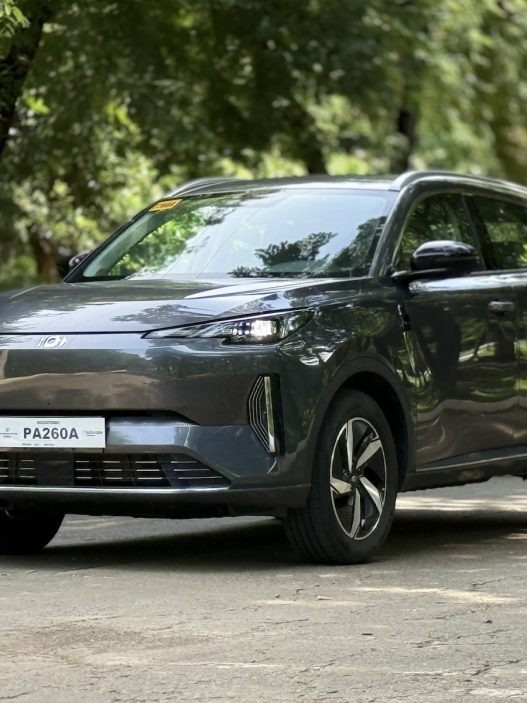








There was a lot of excitement over the Xforce when Mitsubishi first brought it to the Philippines. It was their first crossover after the ASX (that I still adore) and came after the current subcompact crossover king – the Geely Coolray – encountered hiccups that lead to its demise from the rankings. The GAC GS3 Emzoom isn’t quite there yet to claim the empty throne and so Mitsubishi still has a chance with their new Xforce.
I raved a lot about it when I first drove it back in December last year. It’s expensive, yes, but it still has a chance to woo customers. Now I spent more time with the top of the line Xforce GT and my opinion about it is different now.
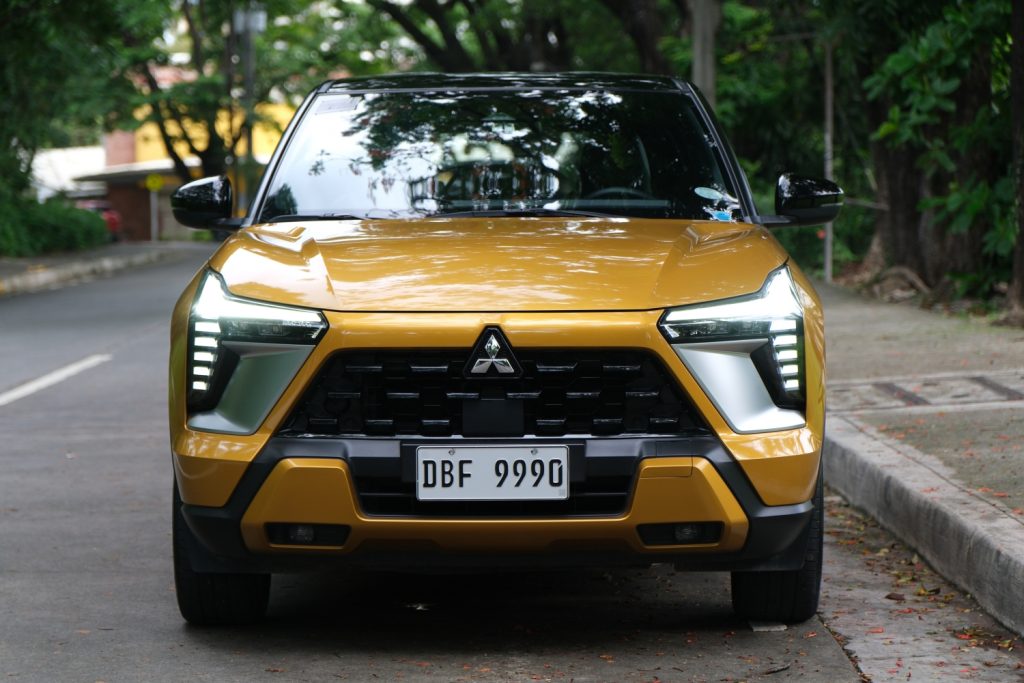
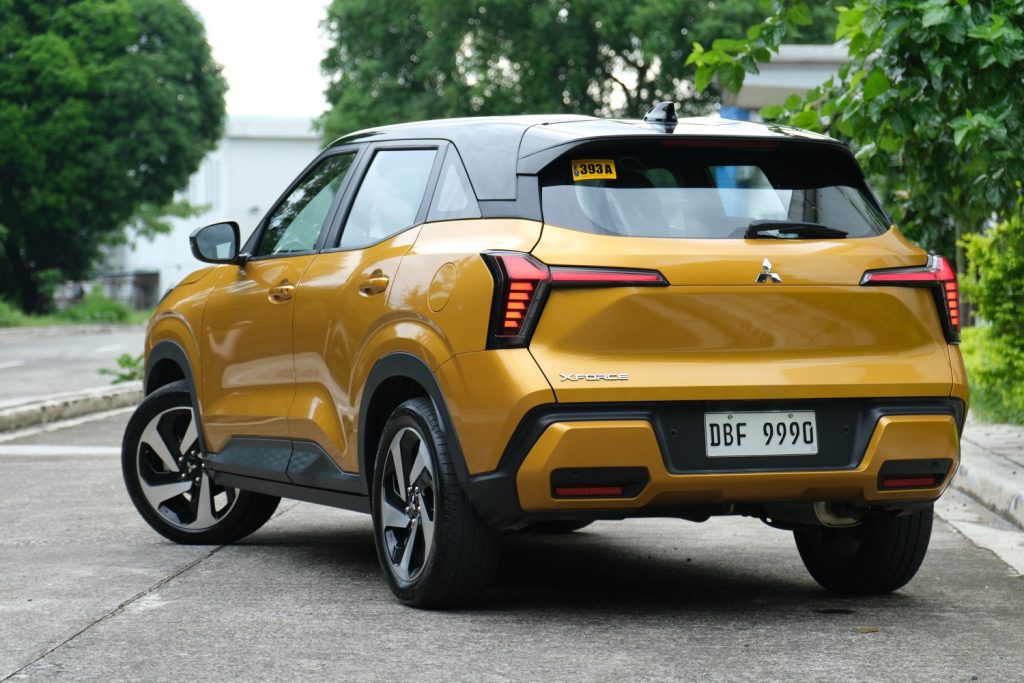
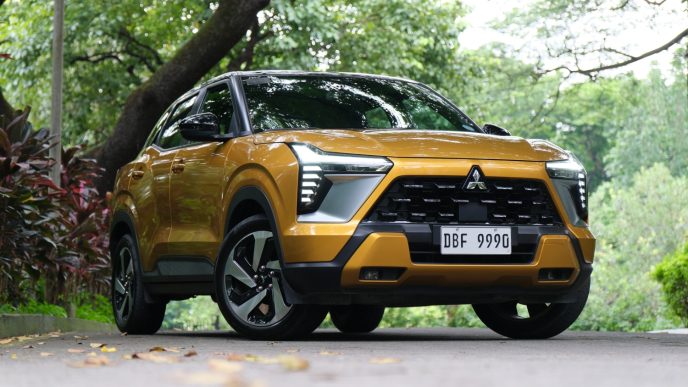
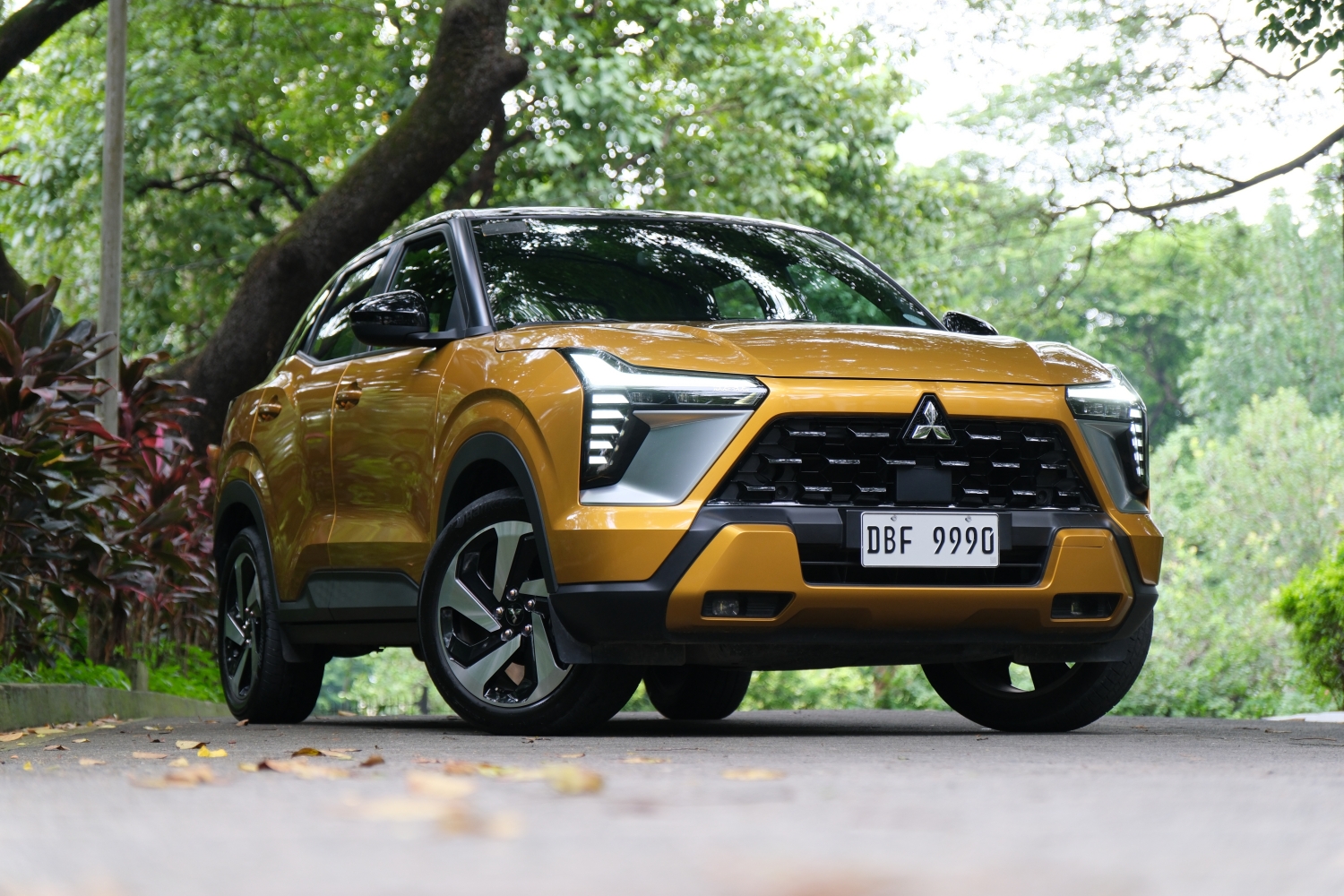
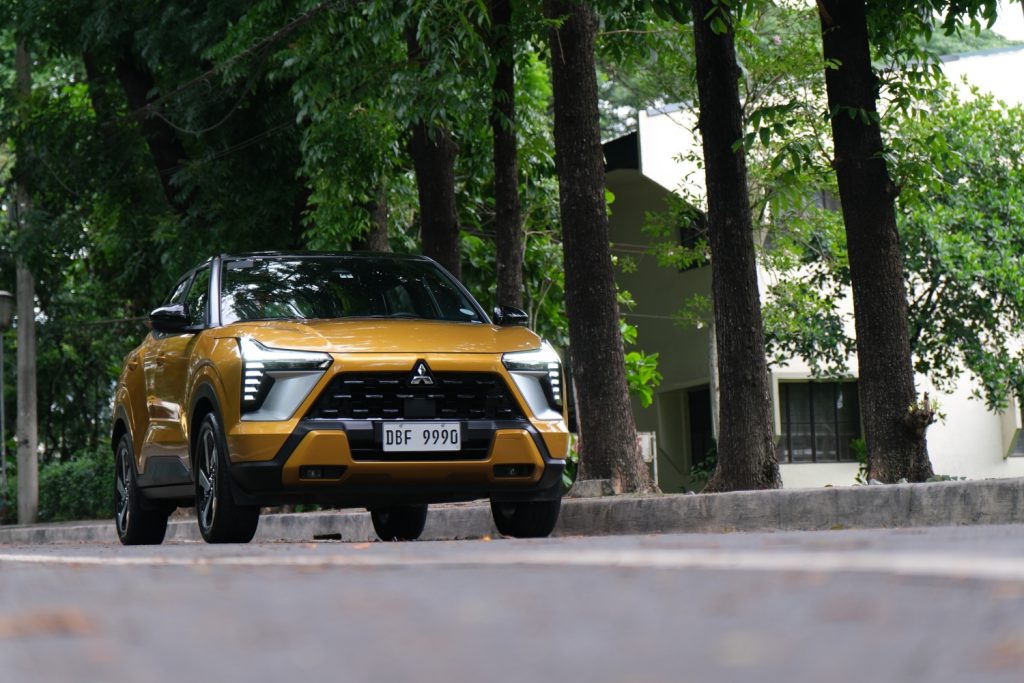
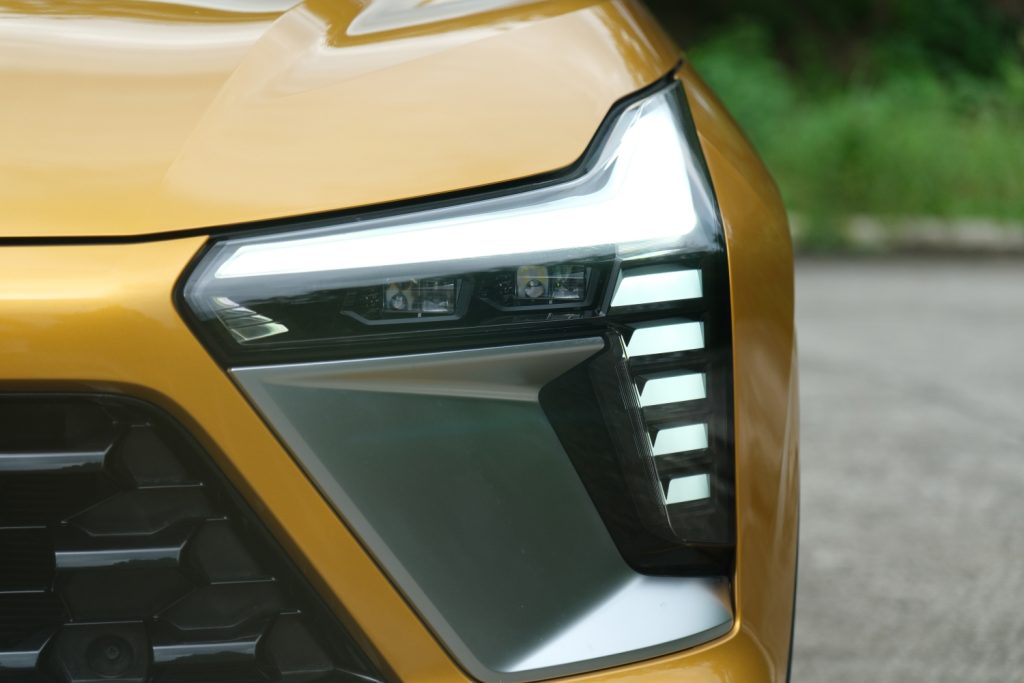
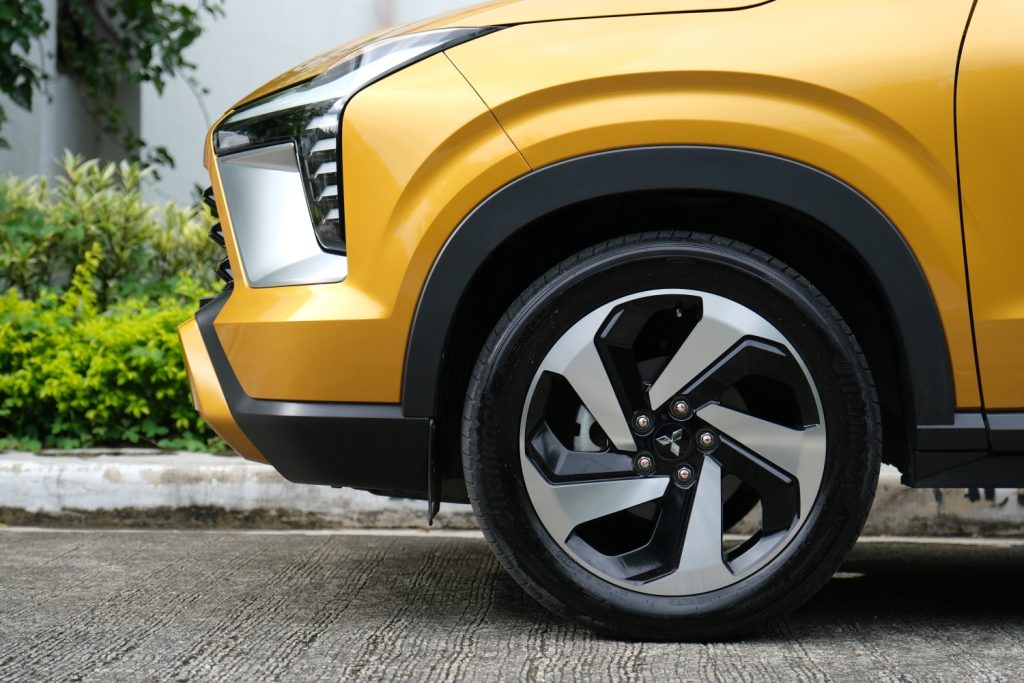
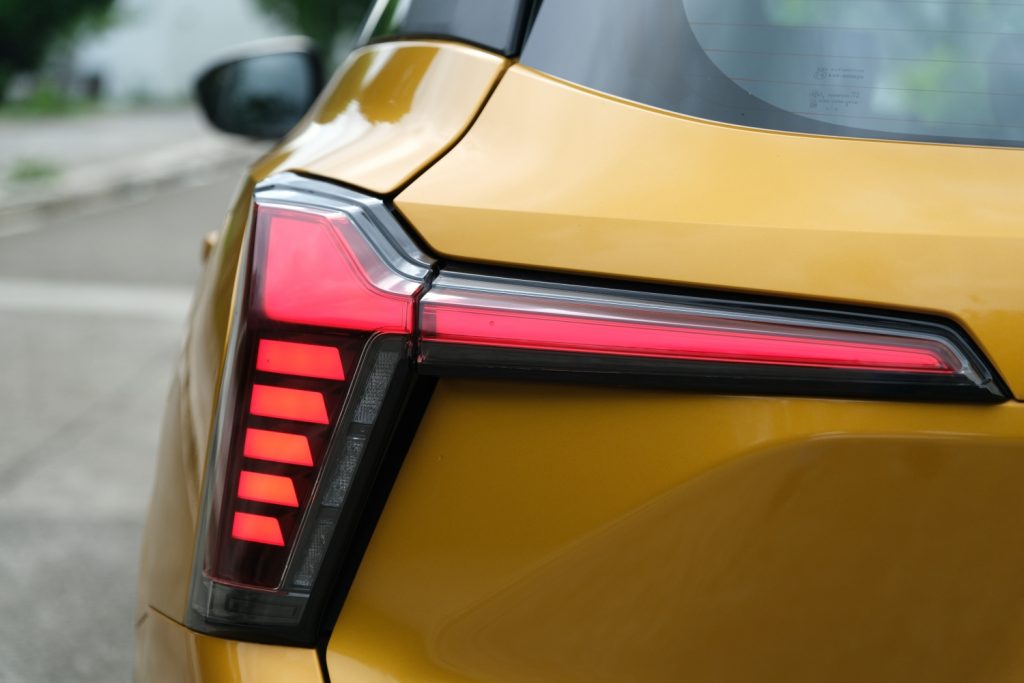
The design unmistakably makes the Xforce stand out on the road. I like the prominence of the Daytime Running Lights, with the LED headlights and fog lights neatly tucked in their rightful places. The side profile has enough bulk with character lines in the right areas. Contours also kept the minimalist rear from being vanilla. I love how they kept the otherwise big plain bumper by having a body color panel to break the look.
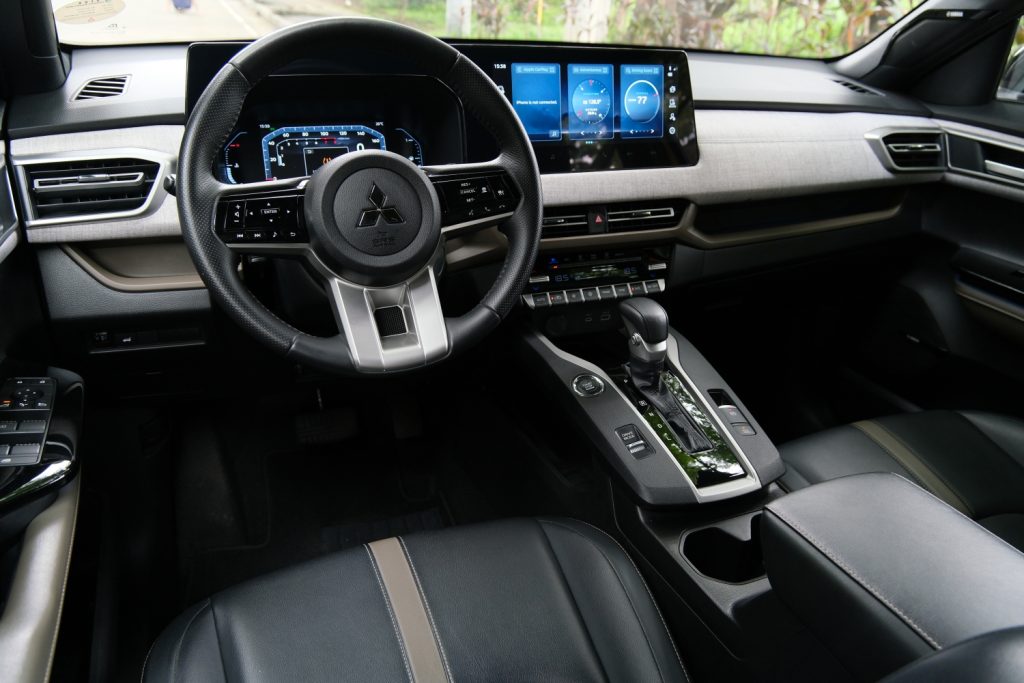
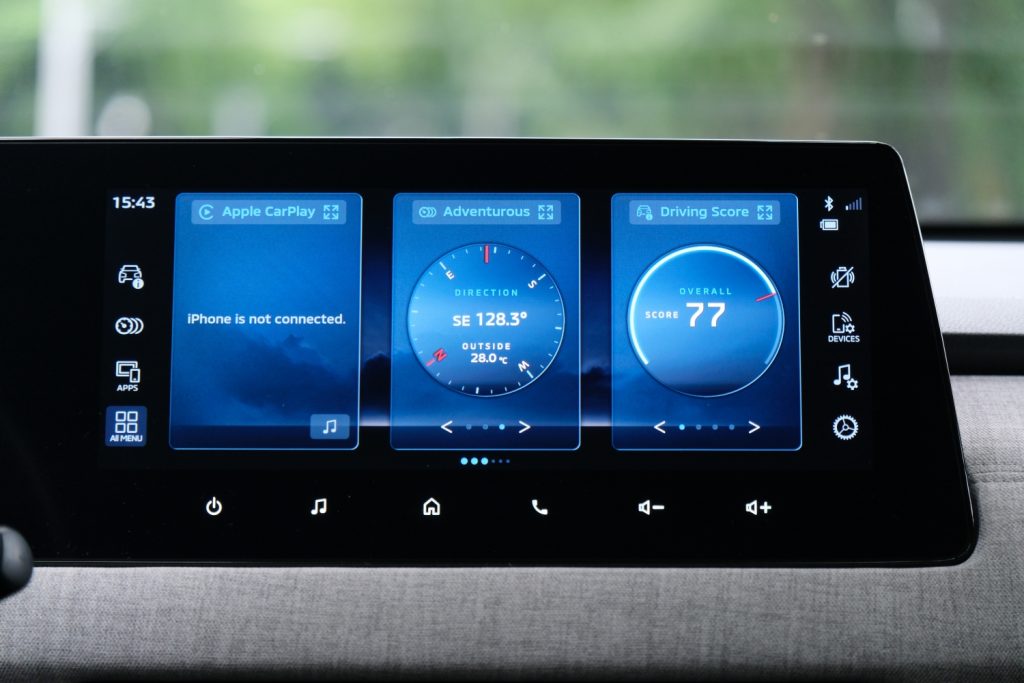
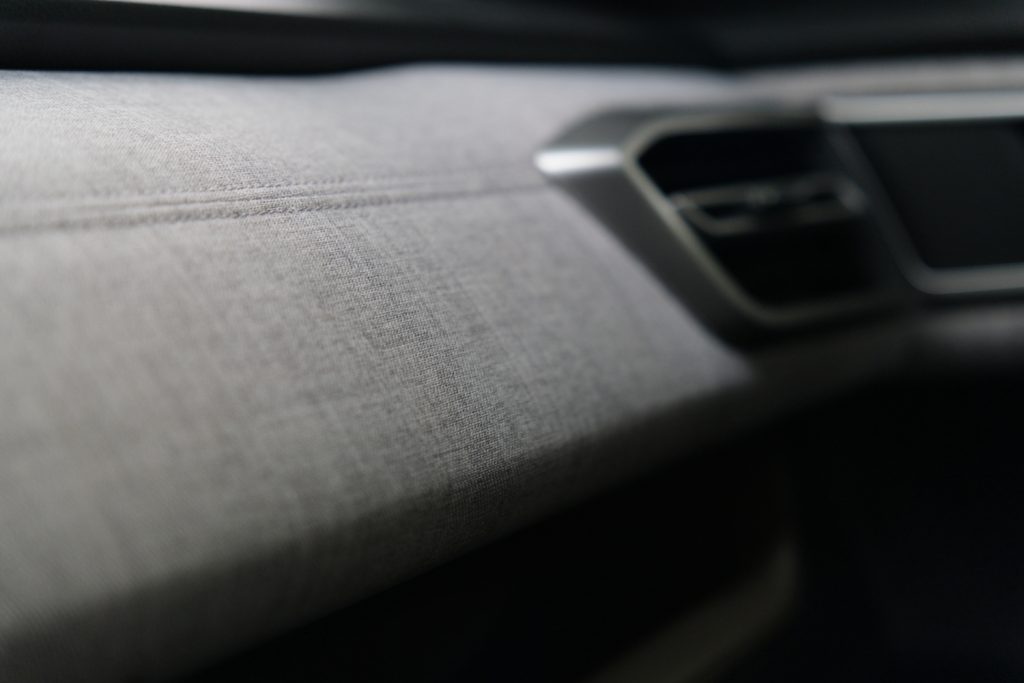
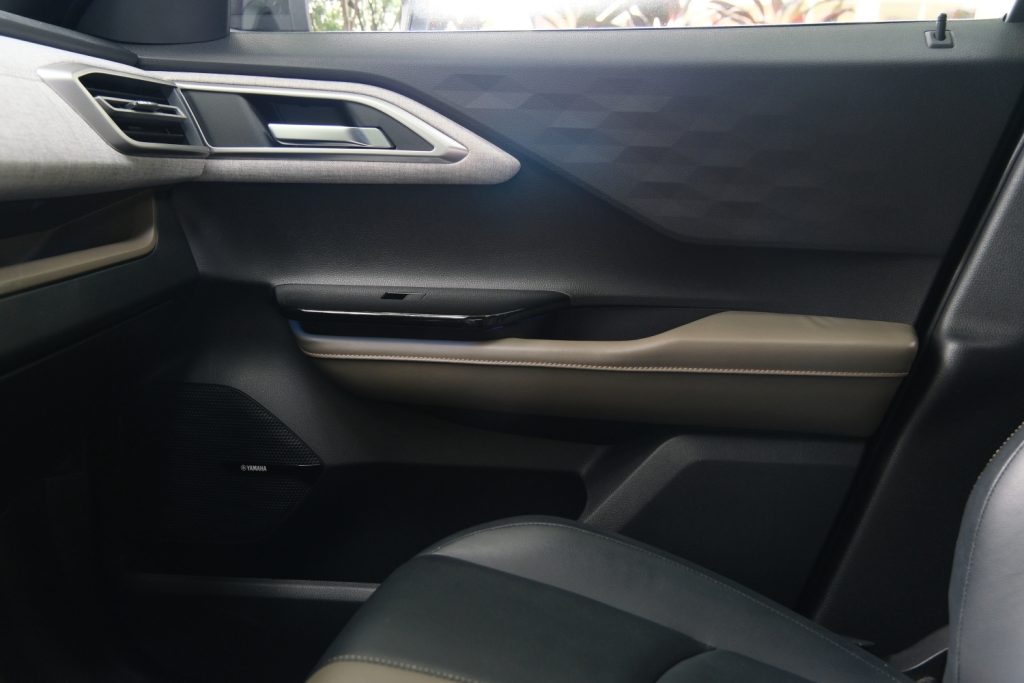
Inside, Mitsubishi is schooling their Japanese rivals in cabin design. The 2-tone interior theme is accompanied by a soft-touch cloth cover on the dash, elevating the Xforce’s aesthetic by a lot. There’s a supposed to be panoramic screen infront of the driver but Mitsubishi made the wise decision of pushing the all-digital gauge cluster deeper to avoid glare when on the road.
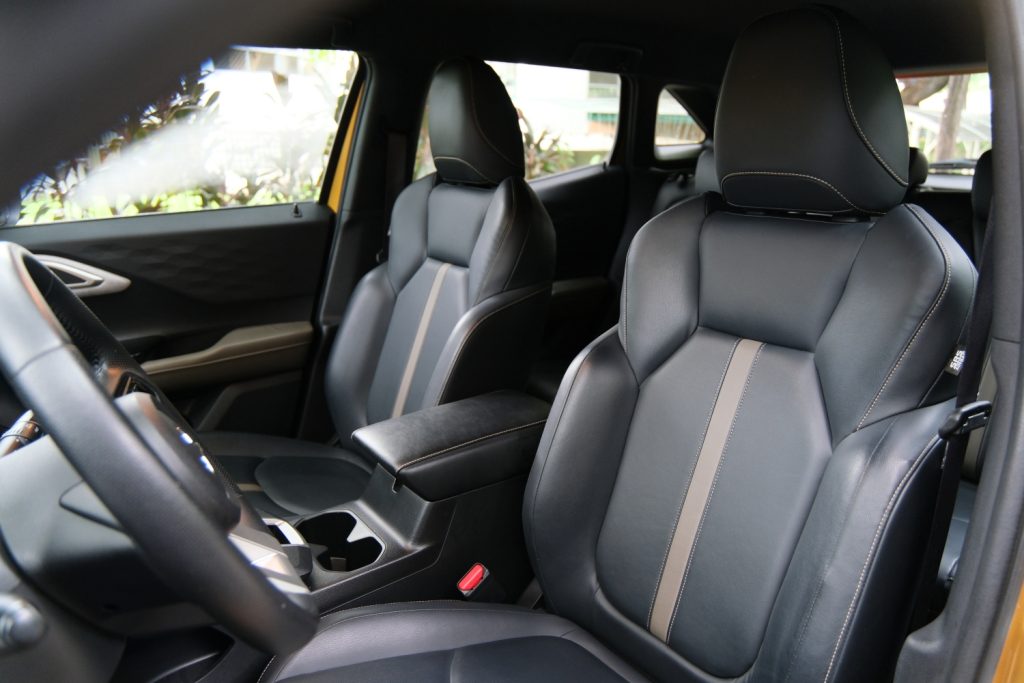
Things seem to be stellar until you adjust for your driving position. At almost PHP 1.6M, there’s no powered driver’s seat in the Xforce. The Toyota Yaris Cross V at around PHP 1.3M already has that but let’s move on, for now.
The Xforce is well mannered out on the road. The throttle is easy, the brakes found the balance of not being stiff but not being spongy as well, and the steering wheel is light, responsive, and has a good amount of feedback. Ride comfort is good as well despite the suspension being on the firm side.
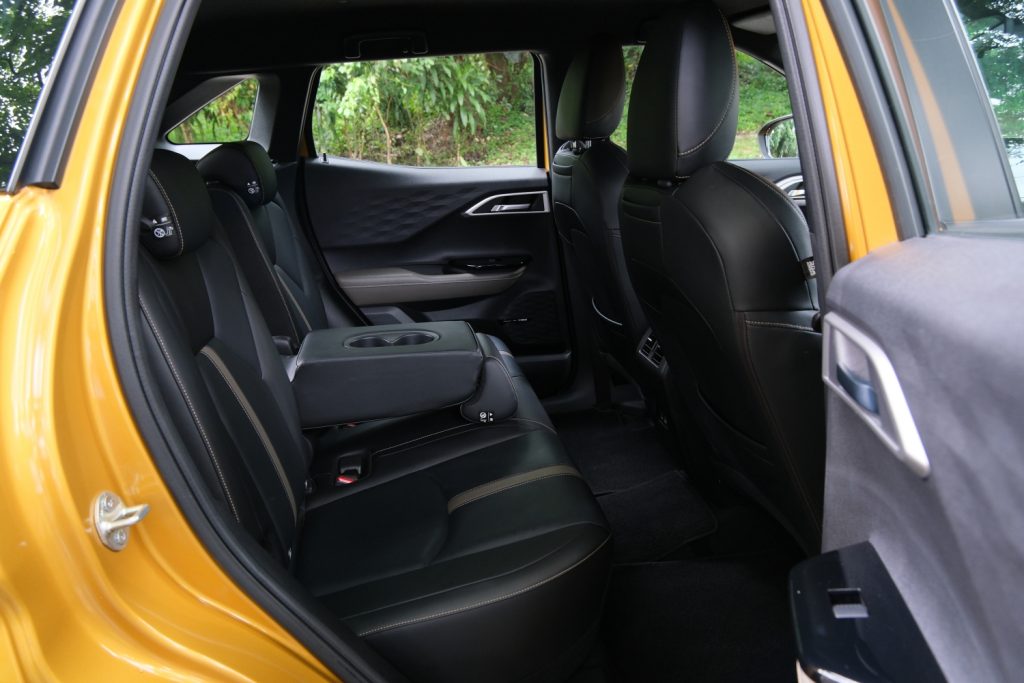
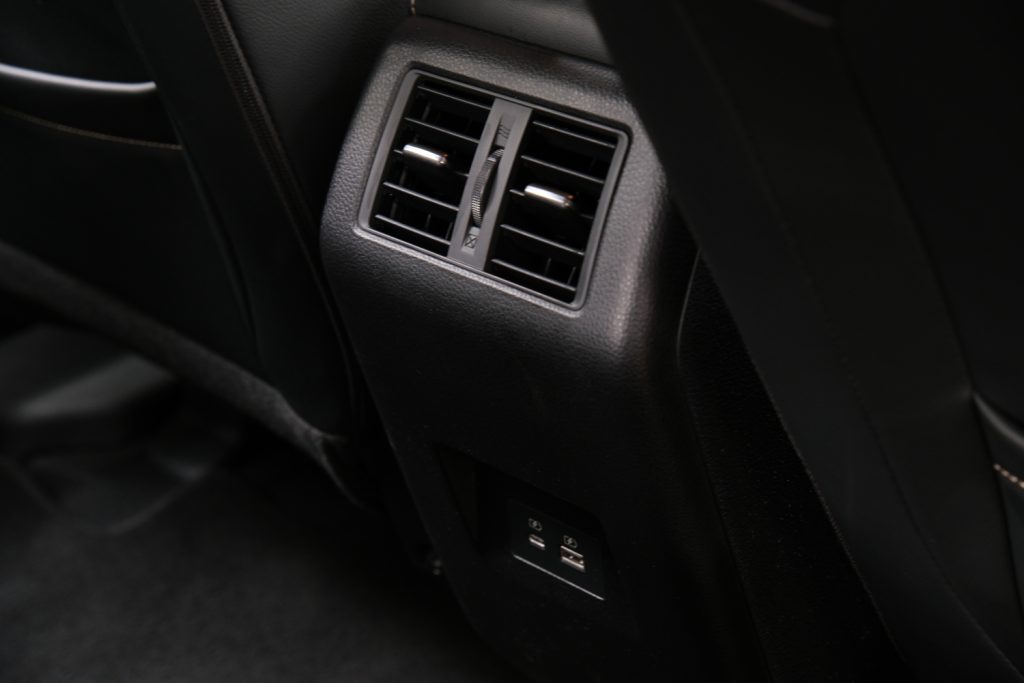
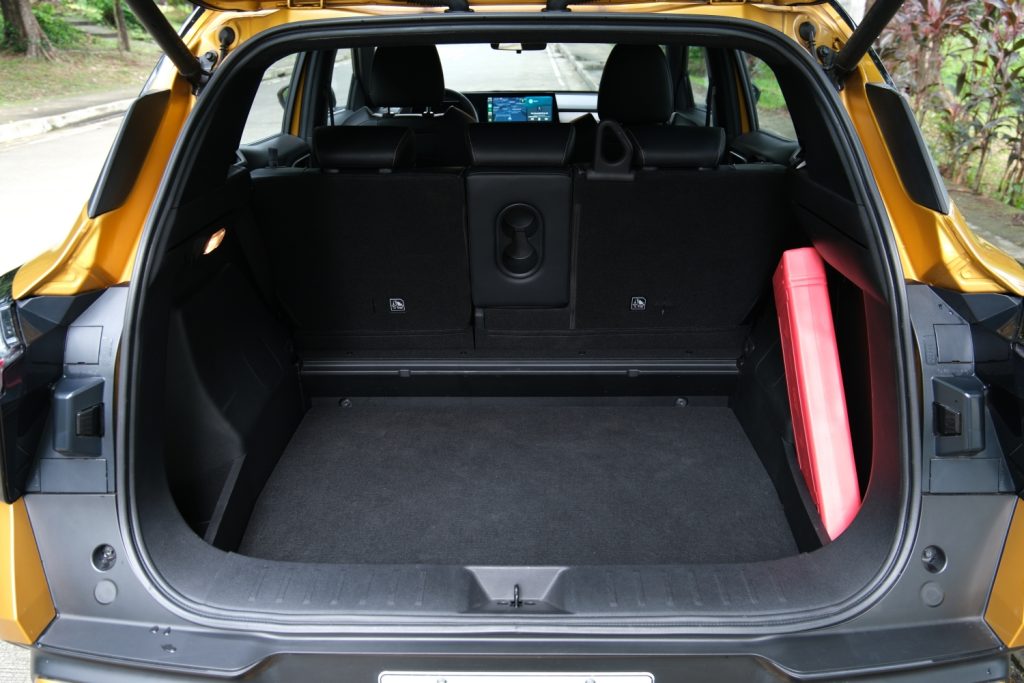
The seats, once adjusted, are great even for long drives. It also has a commanding view of the road even in its lowest driving position. Passengers will also enjoy the abundance of space, availability of Type-C ports, and rear air vents in the Xforce. They also have a pocket behind the front seats that’s sized perfectly for smartphones today. The center armrest at the back also doubles as a passage for the cargo area so you can get things from the back without going down or going over the backseat. Really empathic touch from Mitsubishi.
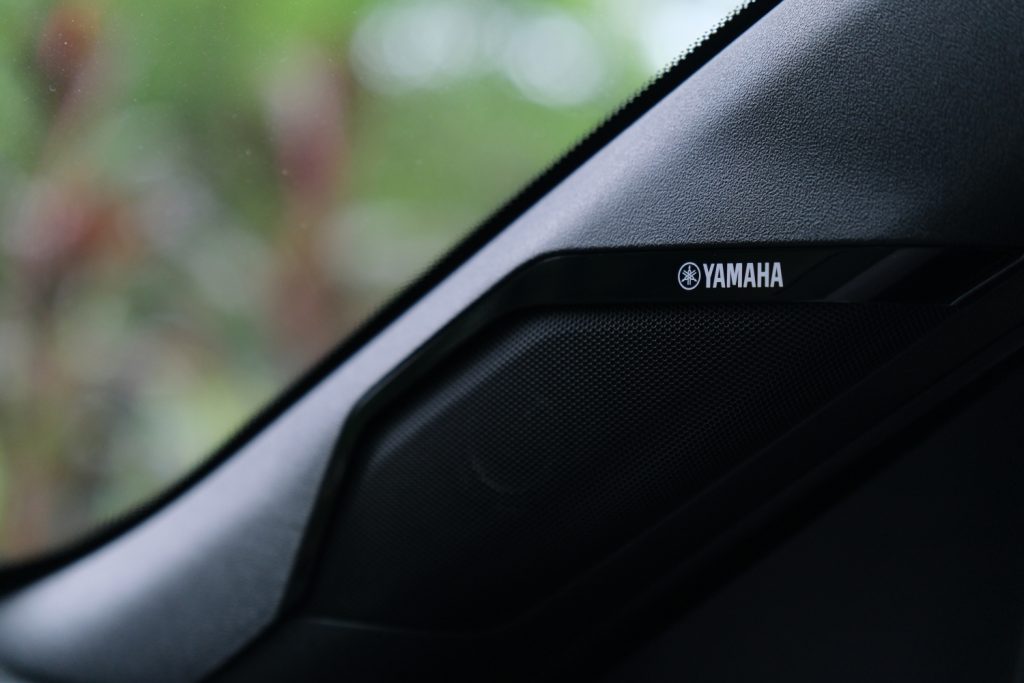
As a musician, the best part of the Xforce for me is the Yamaha Sound System. It just sounds so good, especially in its “Signature” mode which works with all genres. The other settings – Lively, Powerful, and Relaxing, also blend well to different genres of music depending on your mood. Yamaha took their work seriously unlike others who would just implement a bass boost or treble boost and call it a day.
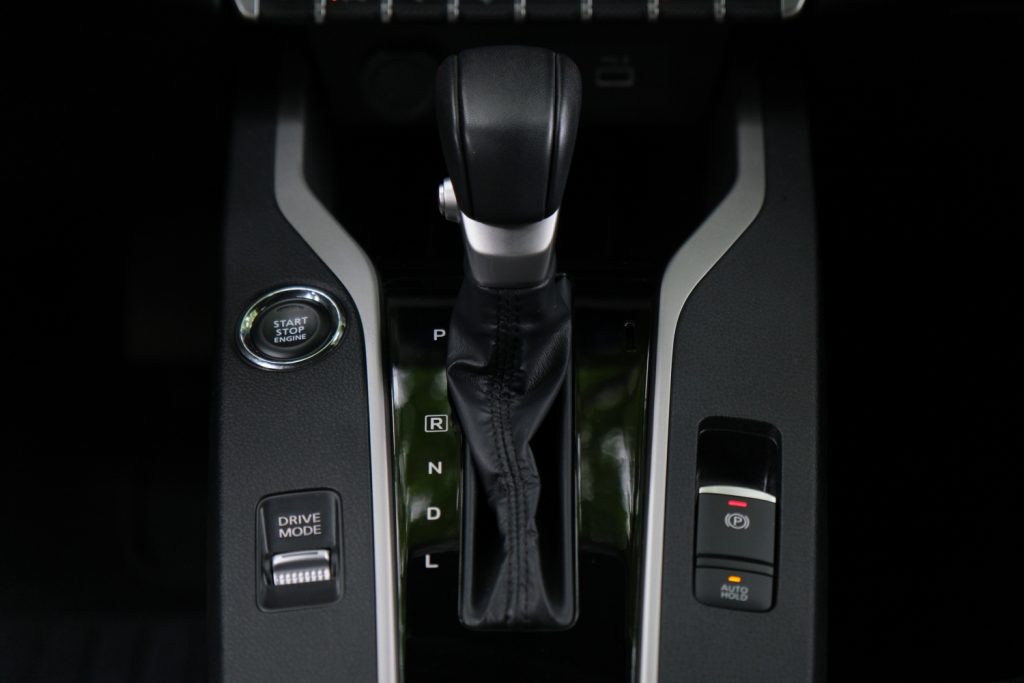
To be honest, I felt like the Drive Modes were an unnecessary gimmick. Normal and Wet, sure. Gravel and Mud though felt unnecessary unless there’s an All-Wheel Drive system. They work, as we’ve tested last year, but feel useless in daily conditions. That is until I’ve encountered the more rural roads of Bulacan and they absolutely made sense. Despite being Front-Wheel Drive only, the Drive Modes work with the car’s traction control system so you won’t get stuck and that they do really well. I guess you really never know when you need them and it’s nice that they’re there when you have to.
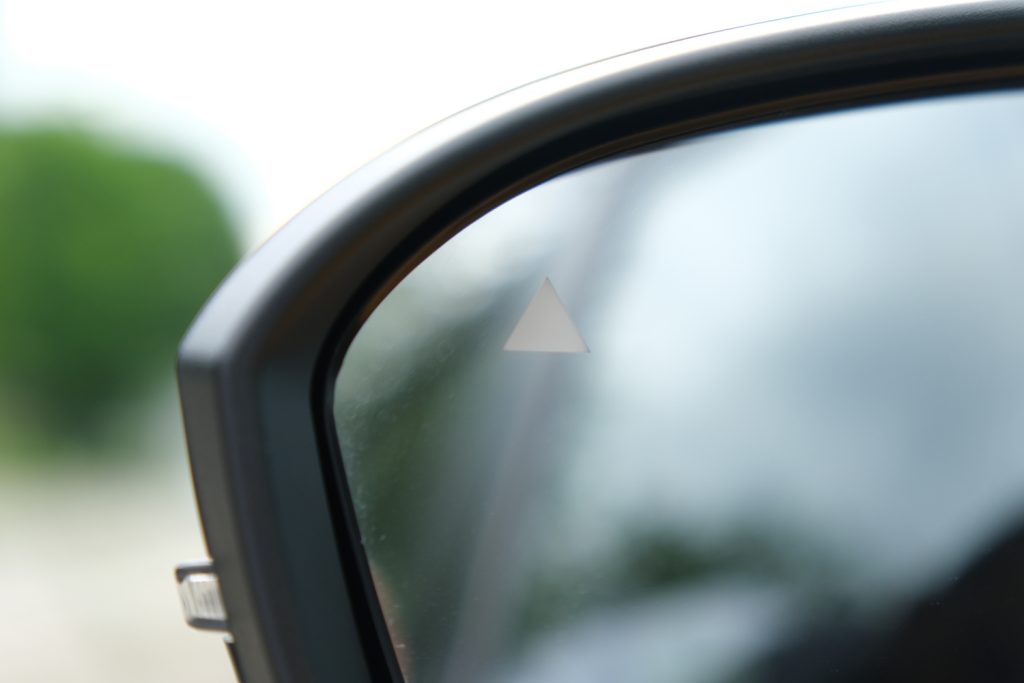
What I can’t give a pass on is the Advanced Driver Assist System. Mitsubishi definitely came up short in this area. There’s no 360-camera system, no Lane Keeping System, no Front Sensors, and a somewhat scary Emergency Braking System. It activates only when the car is really close to the one in front. It also doesn’t react to sudden objects like motorcycles or cars that are cutting into your lane.
The Adaptive Cruise Control also needs tweaking. It’s just too eager to reach its high point when resuming its set speed that it wastes a lot of gas. It will gladly go up to 4,000rpm just so you can go back up to speed. I understand it’s not alone in being too eager. Other cars do that too, but they will only reach around 3,000rpm at most.
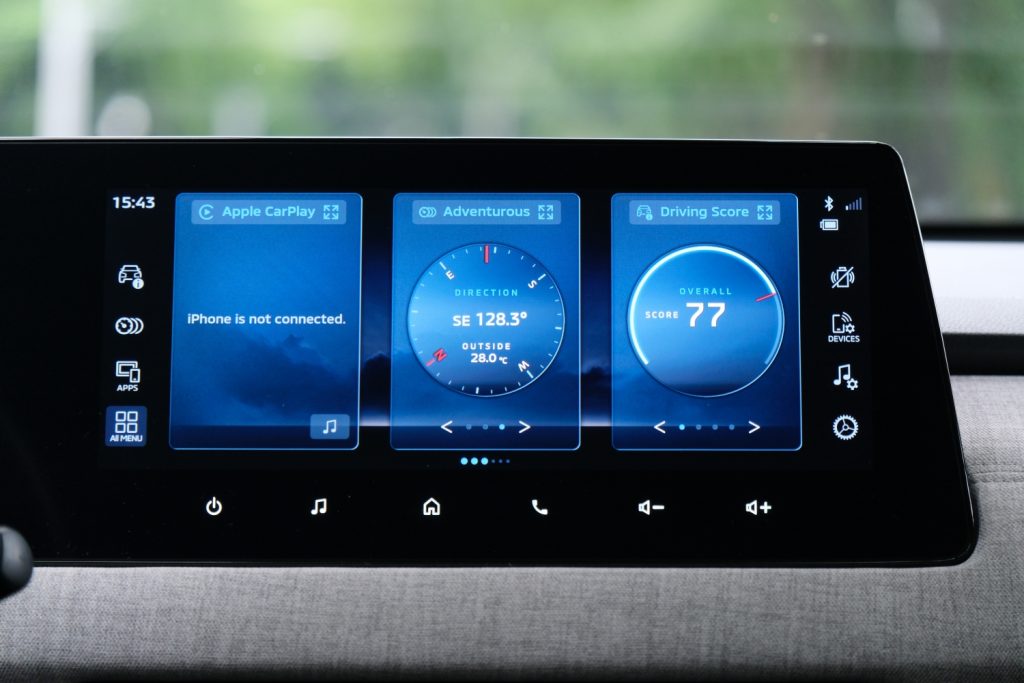
Then there’s the Vehicle Info Display. I feel like it’s a lot of effort wasted as common drivers won’t really use it. It’s not a race car for Avionics, not an All-Wheel Drive or 4-Wheel Drive for the Clinometer, and not a practice car in a driving school to have Driver Score.
Thankfully it sips fuel like an iced coffee lover that sips a single cup for the whole day. I got 8 km/l in the city, while highway runs without the aggressive Adaptive Cruise Control yielded 19 km/l. Really positive numbers for a good looking crossover.
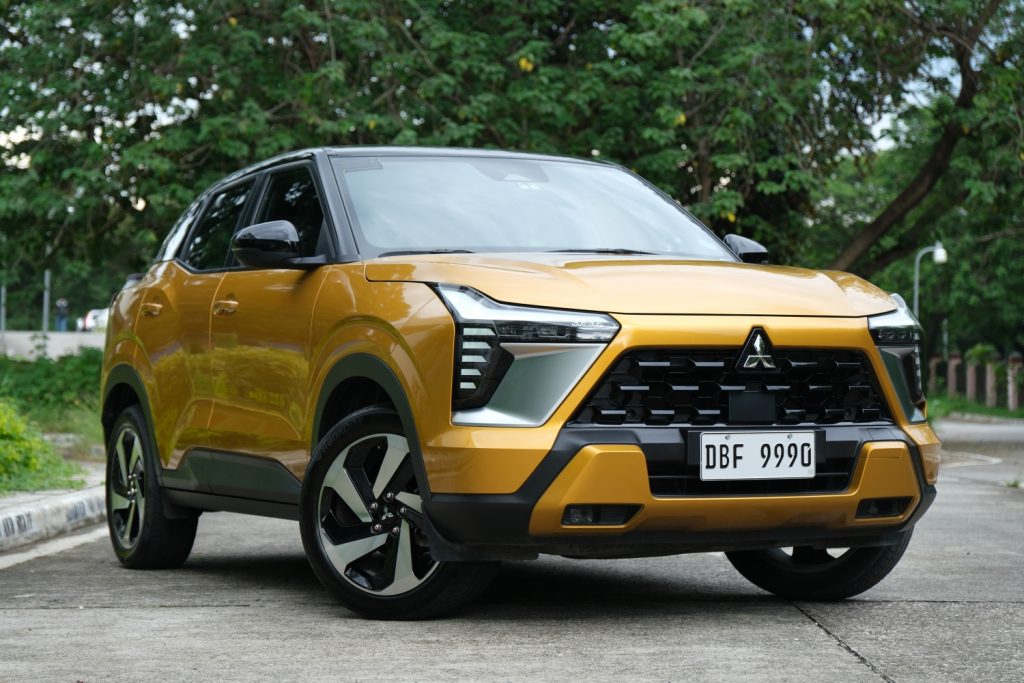
All things considered, the Mitsubishi Xforce GT seems like a decent crossover that has too much pride. It’s priced too steep at P1,581,000 for something that’s not as rounded as other offerings in that price point, especially now in an era of electrified cars.
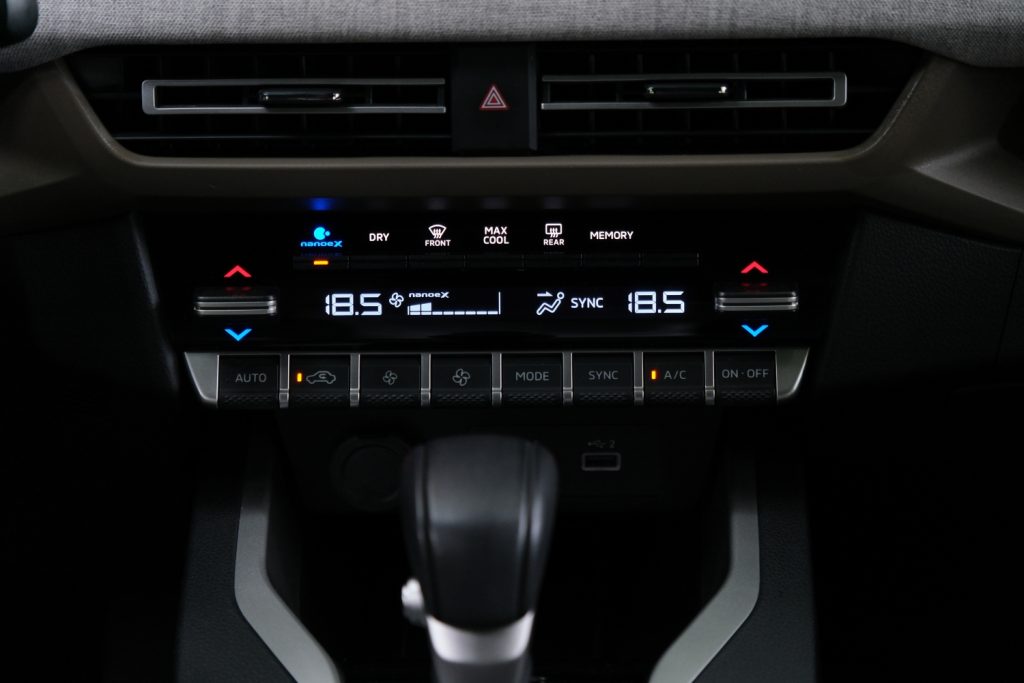
It has redeeming qualities for sure but the thing about that is, they’re all present in the GLS trim that’s P217,000 cheaper. Both have dual-zone climate control, the same digital gauge cluster, touchscreen, rear camera, Stability Control, Traction Control, Yaw Control, and the sweet Yamaha Sound System. It will also yield the same fuel efficiency numbers. It’s safe to say that if you’re thinking of the Xforce, it’d be wiser to go for the GLS than this GT.