







In a rapidly evolving automotive landscape, Filipino car buyers now face a pivotal decision: stick with the time-tested reliability of Japanese brands — or explore the bold innovation and aggressive pricing of rising Chinese brands.
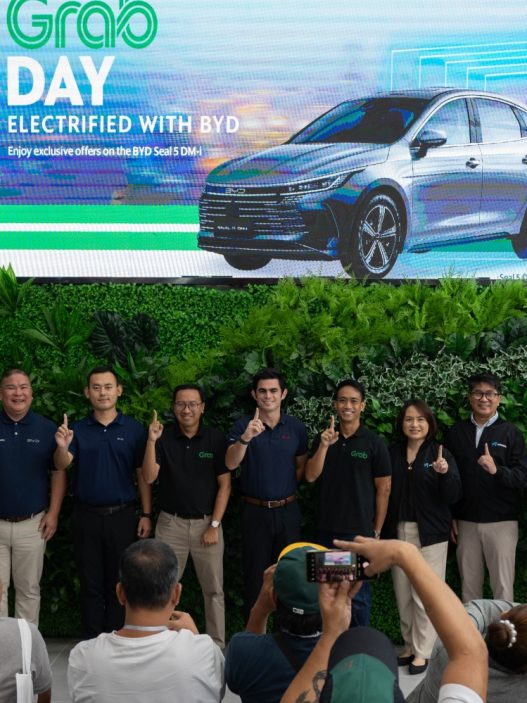
For decades, Japanese brands like Toyota, Mitsubishi, and Honda have dominated the Philippine market, celebrated for their durability, high resale value, and extensive after-sales service networks. But the tide is shifting. In 2024, Chinese brands such as Geely, Chery, and BYD collectively captured around six percent of new car sales, enough to outpace several long-established players.
Perceptions at a crossroads
Recent data from the 2025 Philippines Customer eXperience Index (CXI) Study by Differential reveals a growing trust in Chinese vehicles, particularly among younger and tech-savvy buyers. While 44 percent of Japanese car owners cited “reliability” as one of the main reasons for their purchase, 60 percent of Chinese car owners highlighted “styling, advanced features at better value” as their primary motivator.
Chinese cars are no longer just the cheaper alternative or spare car — they’re redefining what modern Filipino motorists expect from entry and mid-level vehicles. This shift is further reinforced by evolving brand perception, supported by a strong digital presence. Notably, 86 percent of first-time Chinese car buyers said that social media influenced their decision, highlighting how digital activations are reshaping consumer trust and appeal.
The price-value equation
Price remains a central driver of choice. Chinese brands continue to undercut Japanese counterparts in key segments – while offering features that resonate with aspirational consumers. An example of this can be seen with the MG 5, which has outsold several Japanese sedans thanks to its “near-premium” feel at an accessible price point.
Still, Japanese brands remain the preferred choice for buyers prioritizing long-term peace of mind – particularly in vehicle performance (79 percent) and reliability (44 percent). Our other studies consistently show that brand reputation and trust remain key drivers behind this preference. However, over time, Chinese brands have been steadily gaining consumer trust as they improve quality, service, and overall brand perception in the market.
After-sales support: The final frontier
After-sales service remains a battleground. Japanese brands consistently outscore Chinese competitors in after-sales service, with an average customer satisfaction index of 833 index points versus 821 index points for Chinese brands. But that gap is narrowing as Chinese brands invest in expanding dealer networks and offering longer warranties.
Who will win the road ahead?
The future may not be about choosing one over the other. In all likelihood, we are moving towards a more segmented market, where Japanese brands remain strong in rural and conservative markets, while Chinese brands grow aggressively in urban centers and among first-time car buyers (70 percent vs 46 percent for Japanese brands).
Ultimately, the Filipino consumer stands to benefit most from this competition—pushing all players to innovate, improve service, and rethink what value really means in the years ahead.
Sigfred Doloroso is the Country Manager for the Philippines at Differential, a leading customer experience research and consulting firm headquartered in Singapore. With nearly two decades of experience, Sigfred has advised clients across various sectors including major automotive brands on process improvement, customer centricity, digital transformation, change management, and more.